“current mill” search results (113)
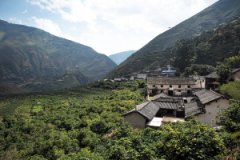
The oldest coffee in China, Zhu Kula Coffee.
After CCTV broadcast the news that Starbucks Coffee is making high profits in China, drinking coffee as a kind of living consumption soon aroused heated discussion. Starbucks, which has always been famous for its high-end coffee brand, has been crowned with the halo of taste, petty bourgeoisie and high-end consumption. Behind the controversy about consumption habits and high prices, it actually reflects the competitive disadvantages of domestic coffee brands, even if the quality is good and the price is high.
2015-10-28 China Ancient Coffee Zhu Kula
Fine single coffee Yemeni coffee beans
Yemeni Coffee Mocha is the earliest export port of Yemeni coffee beans, a well-known coffee named after a port in Yemen. The most familiar mocha coffee. When the word appears on the recipes of bags and cafes, the meaning is different. The former refers to the port where coffee beans are exported, while the latter refers to a kind of coffee. Strictly speaking, exported from the Yemeni port of Mocha
2014-07-22 Yemeni coffee beans boutique coffee beans Yemeni coffee beans prices
Introduction to Coffee knowledge single Coffee extraction equipment
Generally, you can drink coffee to a single product without sugar and milk, which is a high-level veteran. Individual coffee is also known as vegetarian coffee, or Zhai coffee, which shows that ordinary Chinese still have a great misunderstanding about this kind of coffee! After all, in the eyes of most ordinary people, coffee is synonymous with bitterness! No bitter, no coffee! Most of the people who really like individual coffee have drunk the really good ones.
2015-11-02 Coffee knowledge entry item extraction equipment
How to cook coffee beans
How do you cook coffee beans? The African native coffee beans (fried) sent by friends are ground by a soya-bean milk machine and boiled in a milk pot, but they do not have the paste flavor of the imagined coffee. How can I drink the unique paste flavor of coffee? How to make a cup of strong coffee the first step in making a good coffee is to properly store, grind, brew and brew the water temperature and coffee.
2014-06-26 Hand-brewed coffee beans individual coffee coffee beans
History of introduction and expansion of Coffee in China in the early stage of Coffee Development (5)
1. From the first peak period of the development of China's coffee industry (1952-1961) to the late 1940s, according to recorded figures, there are 2173.33 hectares of rubber plantations in Hainan Island, with a total of 867600 rubber trees, with an annual output of 199,000 tons of dry rubber, and more than 300,000 coffee plants. the annual output of coffee beans is 1 ton. According to a survey in the early 1950s, there was a large amount of coffee left in Fushan area of Chengmai County, with a total of 70,000.
2015-03-09 China coffee development course early stage introduction expansion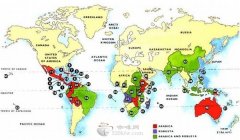
Introduction of Coffee from 53 Coffee producing areas in the World
one. Costa Rican coffee has full grains, ideal acidity and unique strong aroma. Tarrazu of Costa Rica is one of the major coffee producing areas in the world. Costa Rica, with its fertile volcanic soil and good drainage, is the first country in Central America to grow coffee and bananas for commercial value. Coffee and fragrance
2014-09-15 Coffee knowledge global coffee producing area coffee producing area coffee introduction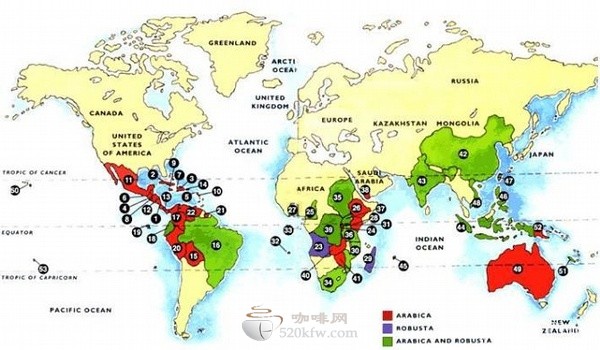
Coffee beans from 53 producing areas-enough to make you memorable
one. Costa Rican coffee has full grains, ideal acidity and unique strong aroma. Tarrazu of Costa Rica is one of the major coffee producing areas in the world. Costa Rica, with its fertile volcanic soil and good drainage, is the first country in Central America to grow coffee and bananas for commercial value. Coffee and fragrance
2015-11-17 53 producing areas coffee beans enough to make you endless aftertaste
World Map of Coffee beans-- introduction of 53 coffee producing areas in the world
twenty-one. Venezuela oil was once considered the main export of Venezuela (Venezuela). Although coffee trees were introduced from Martinique in 1730 and Venezuela, coffee production was almost abandoned at the height of the oil industry. Recently, coffee plantations have begun to recover, with original Tipica and bourbon coffee trees and new plantations
2016-05-07 Coffee beans World Map Global 53 Coffee Origin introduction Comprehensive America
Have a comprehensive understanding of coffee
Legend of Coffee the person who first discovered coffee: a shepherd in Ethiopia, in the fifth and sixth centuries AD. It is said that Niankadi, a shepherd with talent as a poet, herded sheep on the mountain paths of the Ethiopian plateau every day. He liked to drive the sheep home with a shrill flute, but one day the flute sounded again and there was no sign of the sheep. He looked everywhere. Find sheep
2014-07-23 Understand coffee coffee encyclopedia coffee knowledge
The main producing area of coffee knowledge coffee
Coffee production zones (commonly known as coffee belts) range from 25 degrees north latitude to 30 degrees south latitude, covering many countries in Central, West Africa, the Middle East and South Asia, the Pacific, Latin America and the Caribbean. The reason why coffee cultivation is concentrated in this area is mainly due to the limitation of temperature. Because coffee trees are vulnerable to frost, neither north nor south latitude is suitable, especially in the tropics.
2014-09-19 Coffee knowledge coffee origin coffee encyclopedia
Coffee planting History of Coffee introduction and expansion in China in the early stage (5)
1. From the first peak period of the development of China's coffee industry (1952-1961) to the late 1940s, according to recorded figures, there are 2173.33 hectares of rubber plantations in Hainan Island, with a total of 867600 rubber trees, with an annual output of 199,000 tons of dry rubber, and more than 300,000 coffee plants. the annual output of coffee beans is 1 ton. According to a survey in the early 1950s, there was a large amount of coffee left in Fushan area of Chengmai County, with a total of 70,000.
2014-10-14 Coffee knowledge coffee growing history Chinese coffee
The History of Coffee introduction and expansion in China in the early stage (5)
1. From the first peak period of the development of China's coffee industry (1952-1961) to the late 1940s, according to recorded figures, there are 2173.33 hectares of rubber plantations in Hainan Island, with a total of 867600 rubber trees, with an annual output of 199,000 tons of dry rubber, and more than 300,000 coffee plants. the annual output of coffee beans is 1 ton. According to a survey in the early 1950s, there was a large amount of coffee left in Fushan area of Chengmai County, with a total of 70,000.
2014-12-01 Coffee History Common sense early China introduction expansion planting Industry
Coffee cultivation techniques detailed explanation of planting knowledge of Coffee trees
Coffee, cocoa and tea are called the three major beverages in the world, and their output, consumption and output value all rank first. In addition to being used as a beverage, coffee can also extract caffeine and coffee oil; in medicine, it can be used as an anesthetic, stimulant and diuretic cardiotonic agent. Coffee pulp can be used to make wine, vinegar, pectin and molasses; dried pulp can be used as animal feed; dried fruit shell can be used as fertilizer and burning
2015-02-16 Coffee cultivation techniques planting knowledge detailed explanation