“crop harvest” search results (700)
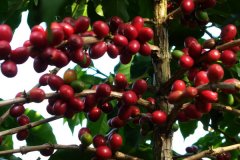
Country: water washing treatment variety Heirloom in G2 Sidamo, Ethiopia
Today, there are still a large number of wild Arabica coffee trees growing in many parts of Ethiopia, averaging between 4200 and 6800 feet above sea level. Now there is a trend of small cultivation, generally planting banana trees for shade at the same time, but due to lack of agricultural technology, herbicides and pesticides are less used. Coffee is Ethiopia's main economic crop and the largest in the country.
2016-06-20 Country Ethiopia Dharma producing area washing treatment Variety Heirlo
Analysis of the process from coffee tree planting to coffee bean harvest
Coffee trees take 3-5 years from planting to fruiting. 6-10 years of coffee trees are the most likely to bear fruit, about 15-20 years, is the harvest period. Coffee trees are usually bred in nurseries and grow into saplings, and then moved to coffee farms a year later, in full compliance with the way the Arabs planted and cultivated coffee trees. Coffee trees will continue to take root downward and upward in the first four or five years of their growth.
2015-05-14 Coffee planting coffee beans harvest process analysis coffee results 3-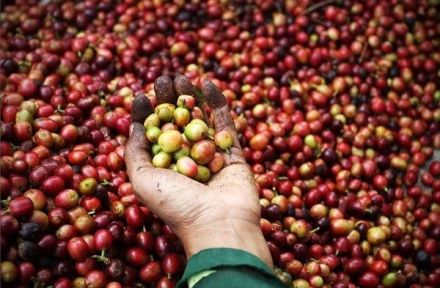
From the planting of coffee trees to the harvest of coffee beans
Coffee trees take 3-5 years from planting to fruiting. 6-10 years of coffee trees are the most likely to bear fruit, about 15-20 years, is the harvest period. Coffee trees are usually bred in nurseries and grow into saplings, and then moved to coffee farms a year later, in full compliance with the way the Arabs planted and cultivated coffee trees. Coffee trees will continue to take root downward and upward in the first four or five years of their growth.
2015-03-27 Coffee planting coffee beans harvest process coffee fruit 3-5 year
It takes 3-5 years from coffee tree planting to coffee bean harvest.
Coffee trees take 3-5 years from planting to fruiting. 6-10 years of coffee trees are the most likely to bear fruit, about 15-20 years, is the harvest period. Coffee trees are usually bred in nurseries and grow into saplings, and then moved to coffee farms a year later, in full compliance with the way the Arabs planted and cultivated coffee trees. Coffee trees will continue to take root downward and upward in the first four or five years of their growth.
2015-11-02 Coffee planting coffee beans harvest 3-5 years coffee fruit 3-5
General knowledge of boutique coffee from coffee tree planting to coffee bean harvest
Coffee trees take 3-5 years from planting to fruiting. 6-10 years of coffee trees are the most likely to bear fruit, about 15-20 years, is the harvest period. Coffee trees are usually bred in nurseries and grow into saplings, and then moved to coffee farms a year later, in full compliance with the way the Arabs planted and cultivated coffee trees. Coffee trees will continue to take root downward and upward in the first four or five years of their growth.
2014-12-19 Boutique coffee common sense planting coffee beans harvest results 3-
Coffee leaf rust spreads rapidly in Guatemala
Leaf rust, one of the world's most destructive coffee crops, is spreading rapidly and could cause a 10 per cent yield loss to Guatemalan coffee crops, the Guatemalan coffee growers' association Anacafe said on Thursday. Growers have been fighting a new leaf rust fungus (roya) for a long time since the end of the last harvest in April, a disease that kills leaves on coffee trees and weakens them
2014-04-27 Coffee leaf rust rust Guatemala rapid spread coffee species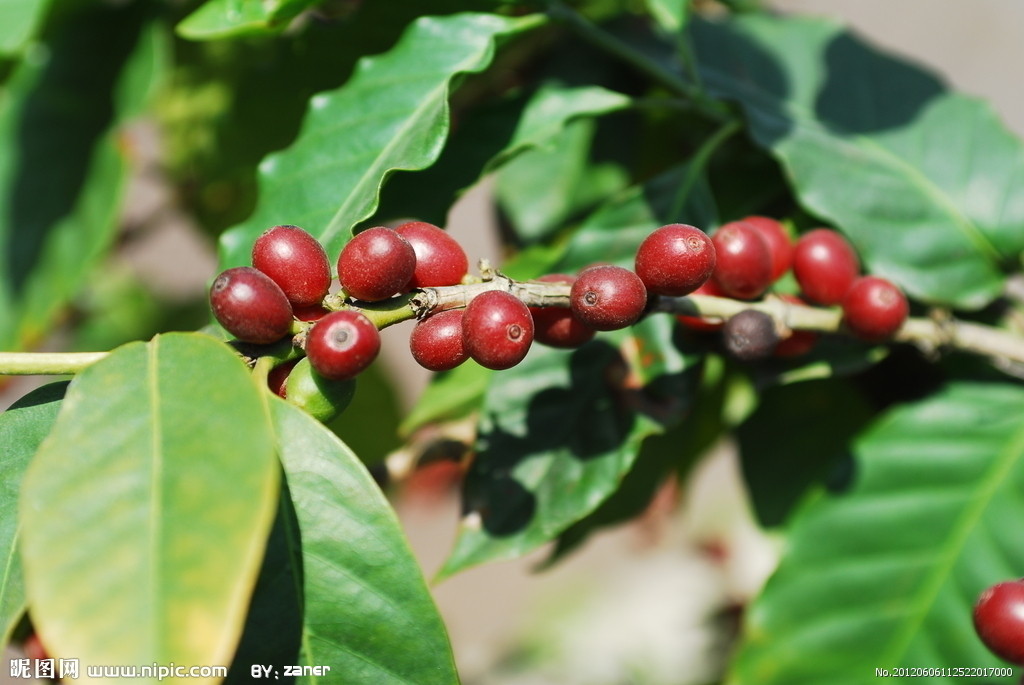
How long will it take for coffee to be planted before it can be harvested? The harvest from coffee tree planting to coffee beans is long.
Coffee trees take 3-5 years from planting to fruiting. 6-10 years of coffee trees are the most likely to bear fruit, about 15-20 years, is the harvest period. Coffee trees are usually bred in nurseries and grow into saplings, and then moved to coffee farms a year later, in full compliance with the way the Arabs planted and cultivated coffee trees. Coffee trees will continue to take root downward and upward in the first four or five years of their growth.
2016-01-07 Coffee planting how long ability harvest coffee beans long coffee knot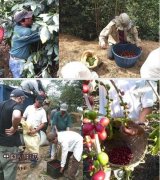
From the planting of coffee trees to the harvest of coffee beans, how to raise coffee trees
Coffee trees take 3-5 years from planting to fruiting. 6-10 years of coffee trees are the most likely to bear fruit, about 15-20 years, is the harvest period. Coffee trees are usually bred in nurseries and grow into saplings, and then moved to coffee farms a year later, in full compliance with the way the Arabs planted and cultivated coffee trees. Coffee trees will continue to take root downward and upward in the first four or five years of their growth.
2015-11-05 Coffee planting coffee beans harvest how coffee fruit 3-5 year
Leaf rust sweeps coffee plantations in Central America
According to a recent report released by the International Coffee Organization, the production of coffee crops in Central America has been reduced by about 15% in 2012 and 2013 due to leaf rust. As the overall economic growth in Central America slows, coffee growers in the region will suffer a double whammy of reduced production of coffee crops and a collapse in coffee prices, which will also hit the economies of Central American countries hard. As the coffee crop in Central America is in the international coffee market.
2014-05-13 Coffee news coffee beans barista coffee powder
Ethiopia Yega Xuefei is close to the floral taste and is wilder, sweeter and thicker than the coffee bean market.
Today, there are still a large number of wild Arabica coffee trees growing in many parts of Ethiopia, averaging between 4200 and 6800 feet above sea level. Now there is a trend of small cultivation, generally planting banana trees for shade at the same time, but due to lack of agricultural technology, herbicides and pesticides are less used. Coffee is Ethiopia's main economic crop and the largest in the country.
2016-04-19 Ethiopia Yega Sheffield close fragrant taste wild sweet thick
Natural organic fertilizer "coffee grounds" to grow mushrooms
In a week, you can not only harvest three crops of organic, green and natural edible fungi, but also do environmental protection easily. A few days ago, more than 1000 households in Tangqiao Street received a special gift from Xingeng Workshop, a public welfare organization, a bacterial stick made of coffee grounds. The reporter learned from the Pudong New area that after the pilot project in Tangqiao, this creative environmental protection volunteer action is expected to be further promoted. 35 per drink
2015-10-28 Natural organic fertilizer coffee grounds mushrooms one week time only harvest three crops
The birth of coffee beans (1)
Coffee trees take 3-5 years from planting to fruiting. 6-10 Coffee trees bear fruit most easily in 15-20 years, which is the harvest period. Coffee trees are usually bred in nurseries, grown into saplings, and then moved to coffee plantations a year later, following exactly the same methods used by Arabs to grow coffee trees. For the first four or five years of its life, coffee trees take root downwards and grow upwards.
2014-08-26 Coffee knowledge coffee bean birth coffee encyclopedia
Coffee beans History the birth of coffee beans
The lifetime of a coffee tree takes 3-5 years from planting to fruiting. 6-10 years of coffee trees are the most likely to bear fruit, about 15-20 years, is the harvest period. Coffee trees are usually bred in nurseries and grow into saplings, and then moved to coffee farms a year later, in full compliance with the way the Arabs planted and cultivated coffee trees. Coffee trees will continue to decline in the first four or five years of growth.
2014-09-28 Coffee knowledge coffee bean history coffee bean birth
The birth of coffee beans (1) Coffee trees from planting to fruiting
Coffee trees take 3-5 years from planting to fruiting. 6-10 years of coffee trees are the most likely to bear fruit, about 15-20 years, is the harvest period. Coffee trees are usually bred in nurseries and grow into saplings, and then moved to coffee farms a year later, in full compliance with the way the Arabs planted and cultivated coffee trees. Coffee trees will continue to take root downward and upward in the first four or five years of their growth.
2015-10-12 Coffee beans birth planting fruit coffee 3-5 year
The birth of Fine Coffee Culture and Common sense Coffee beans
The lifetime of a coffee tree takes 3-5 years from planting to fruiting. 6-10 years of coffee trees are the most likely to bear fruit, about 15-20 years, is the harvest period. Coffee trees are usually bred in nurseries and grow into saplings, and then moved to coffee farms a year later, in full compliance with the way the Arabs planted and cultivated coffee trees. Coffee trees will continue to decline in the first four or five years of growth.
2014-12-26 Boutique coffee culture common sense coffee beans birth life planting knot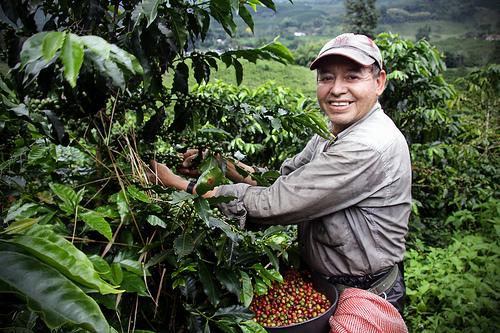
African boutique coffee manor Sidamo Coffee Flavor washing Sidamo Coffee Flavor
The Sidamo producing area, which is 1400-2200 meters above sea level, is a famous boutique coffee area in southern Ethiopia, bordering Kenya. The washed Sidamo is light green, the beans are small, the growth is oval, the fruit is full, the average quality is good, the smell is fragrant and mellow, a drop of entrance, endless aftertaste, with wild beauty. The coffee flavor of Sidamo is very diverse and different.
2016-04-05 Africa boutique coffee manor dharma producing area flavor water washing Sid
Drought causes Brazilian coffee to suffer the biggest loss in 50 years
The state of Sao Paulo, an important agricultural producing area in Brazil, is likely to suffer the biggest losses in 50 years this year after the worst drought in 80 years, the Institute of Agricultural Economics of Sao Paulo said a few days ago. According to statistics, the average rainfall in some major agricultural areas in Sao Paulo state in October was only 26 millimeters, far below the normal level of 120 millimeters. High temperature and drought directly affect coffee, sugar cane and jade in Sao Paulo.
2014-11-25 Coffee news Brazil drought coffee production decline
It is difficult to increase coffee production in Jamaica in the short term.
Grant, manager of the Blue Mountain Mavisban Coffee Factory, said that due to poor control of berry borer and leaf rust, the global coffee market demand is still weak, and the Jamaican coffee industry will lose US $10 million in the 2013-2014 crop year. Grant said Jamaica will harvest 240000 barrels of coffee in the 2013-2014 crop year, the same as last year. At current prices, Jamaican coffee this year
2014-04-27 Jamaica coffee production in the short term difficult to improve Blue Mountain Marvis Weiss
African Coffee Ethiopia sidamo Sidamo G2 Grade Water washing processed Fine Coffee cooked beans
Sidamo Washed G2 countries: Ethiopia Grade: G2 production areas: Sidamo production areas treatment: washed varieties: Heirloom Flavor: wild Ginger Flower, Honey, Citrus, Lemon there are still a large number of wild Arabica coffee trees growing in many parts of Ethiopia, with an average of 4200-6800 feet above sea level.
2016-03-26 Africa Coffee Ethiopia sidamo Dharma Grade washing treatment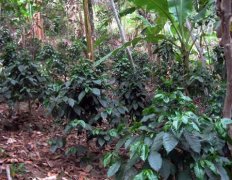
Production of coffee beans coffee output
Coffee trees take 3-5 years from planting to fruiting. 6-10 years of coffee trees are the most likely to bear fruit, about 15-20 years, is the harvest period. Coffee trees are usually bred in nurseries and grow into saplings, and then moved to coffee farms a year later, in full compliance with the way the Arabs planted and cultivated coffee trees. Coffee trees will continue to take root downward and upward in the first four or five years of their growth.
2014-09-25 Coffee bean production coffee output