“contribution” search results (1844)

Costa Rican Coffee Manor Costa Rican Coffee beans flavour Costa Rica Coffee producing area
Coffee is an important economic source of Costa Rica. It was introduced in 1808 and has been cultivated for 200 years. Costa Rica has 1x3 population invested in coffee-related industries. Colombians say that coffee has changed the country and enjoyed a rich environment, and coffee has indeed made an outstanding contribution. Although Costa Rica ranks third from the bottom in terms of land area in Central America, the economic environment is better than half.
2016-09-01 Costa Rica Coffee Manor Coffee beans Taste producing area
Costa Rican Coffee Manor Costa Rican Coffee Bean flavour Costa Rican Coffee producing area
Coffee is an important economic source of Costa Rica. It was introduced in 1808 and has been cultivated for 200 years. Costa Rica has 1x3 population invested in coffee-related industries. Colombians say that coffee has changed the country and enjoyed a rich environment, and coffee has indeed made an outstanding contribution. Although Costa Rica ranks third from the bottom in terms of land area in Central America, the economic environment is better than half.
2016-09-01 Costa Rica Coffee Manor Coffee beans Taste producing area
Costa Rican Coffee Manor Costa Rican Coffee beans flavour Costa Rica Coffee producing area
Coffee is an important economic source of Costa Rica. It was introduced in 1808 and has been cultivated for 200 years. Costa Rica has 1x3 population invested in coffee-related industries. Colombians say that coffee has changed the country and enjoyed a rich environment, and coffee has indeed made an outstanding contribution. Although Costa Rica ranks third from the bottom in terms of land area in Central America, its economic environment is better than that of Central America.
2016-08-31 Costa Rica Coffee Manor Coffee beans Taste producing area
Coffee training Culture Coffee and Japanese Culture
As early as the end of the 17th century, the Dutch brought coffee to Asia in the early 18th century, and coffee was soon introduced to Japan. Before and after the Meiji Restoration, Japan advocated total westernization, and the coffee culture with Dutch flavor took root in Japan. During the Taisho period (1879-1926), due to the pervasive atmosphere of freedom and democracy, fresh and luxuriant culture, cafes have been very prosperous. But with the Japanese army,
2015-03-16 Coffee training culture Japan as early as the 17th century the end of the century the eighteenth century the Dutch
Introduction to Alida Manor Baru Volcano in Panamanian Coffee Manor
Mr. Louis Hartmont lives in Volcan, La Silla de Pando and Santa Clara3, and grows coffee everywhere he goes. He named his first coffee farm Tizingal, which means my star. In addition to coffee, Mr. Hartmond was extremely keen on the exploration of monuments all his life. based on his contribution to Panamanian archaeology, he was named by the United States in 1950.
2016-07-12 Panama Coffee Manor producing area introduction Lida Baru Volcano Louis ha
Fairy tale factory in the depths of Bunny Drop cement forest
The members who work in Bunny Drop have a long history, including international award-winning baristas and bakers, as well as famous western food chefs living in seclusion. This group of slightly perfectionist people have contributed to the rich and colorful delicacies here. Although they have been using specially prepared beans to make hand-brewed coffee at the beginning of the business, they have recently bought a roaster for coffee.
2016-06-24 Bunny Drop cement forest depths fairy tales factories Bunn
Flavor: introduction of soft, fragrant and full-grained Rwandan coffee beans
Coffee production in Rwanda: there are about 33000 hectares of coffee plantations in Rwanda and 500000 people are engaged in coffee cultivation. With the good natural conditions of high altitude and fertile volcanic soil, the country's fertile soil and suitable climate contribute to plant growth, and coffee trees seem to be driven or forced to grow upward, or because they grow too fast to produce the best coffee beans.
2016-06-21 Flavor soft fragrant granulated full Rwanda coffee beans introduction
How to preserve Coffee Fine Coffee
Why is storage so important? The wonderful ingredients in the coffee have been drifting away, from the coffee fruits harvested from the trees, from the raw beans in the processor, especially from the cooked beans. These factors that contribute to the quality of coffee can also be destroyed by oxidation, resulting in the loss of flavor and aroma. Treat the storage of coffee beans in order to retain as much aroma as possible in the last cup
2016-06-02 Coffee fresh-keeping how preservation boutique why storage so important coffee
Basic knowledge of Coffee and Japanese Fine Coffee Culture
As early as the end of the 17th century, the Dutch brought coffee to Asia in the early 18th century, and coffee was soon introduced to Japan. Before and after the Meiji Restoration, Japan advocated total westernization, and the coffee culture with Dutch flavor took root in Japan. During the Taisho period (1879-1926), due to the pervasive atmosphere of freedom and democracy, fresh and luxuriant culture, cafes have been very prosperous. But with the Japanese army,
2015-07-27 Coffee Japan boutique coffee culture basic common sense as early as at the end of the 17th century
Coffee has become a popular drink, thanks to the Japanese.
As early as the end of the 17th century, the Dutch brought coffee to Asia in the early 18th century, and coffee was soon introduced to Japan. Before and after the Meiji Restoration, Japan advocated total westernization, and the coffee culture with Dutch flavor took root in Japan. During the Taisho period (1879-1926), due to the pervasive atmosphere of freedom and democracy, fresh and luxuriant culture, cafes have been very prosperous. But with the Japanese army,
2015-01-15 Coffee popular beverage Japanese played an important role as early as the 17th century.
Coffee and the Story of Coffee Culture in Japan
As early as the end of the 17th century, the Dutch brought coffee to Asia in the early 18th century, and coffee was soon introduced to Japan. Before and after the Meiji Restoration, Japan advocated total westernization, and the coffee culture with Dutch flavor took root in Japan. During the Taisho period (1879-1926), due to the pervasive atmosphere of freedom and democracy, fresh and luxuriant culture, cafes have been very prosperous. But with the Japanese army,
2015-10-15 Coffee Japan coffee culture story as early as the 17th century the end of the century the 18th century the Netherlands
Uganda coffee production area introduction Robert coffee beans West Ruwensori (Ruwensori)
Uganda's coffee exports from September to April totaled 1.44 million bags, down 0.5 per cent year-on-year, largely due to the prevalence since 1993 of claims that coffee is resistant to coffee blight, which is said to have destroyed 130 million coffee trees. Drought early in the season and harvest-season rains have contributed to the drop in coffee production, but it is expected that coffee production will continue to decline due to positive international market prices.
2016-06-27 Uganda Coffee Species Region Introduction Robb's Coffee Bean Western Venturi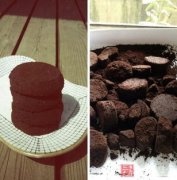
Coffee beans with expired coffee knowledge can still be used in this way.
It's a pity that expired coffee beans were thrown away, so I learned about other uses of coffee beans everywhere, so that such expired beans could make some contribution. 1. Make the coffee ready, then filter it into coffee grounds, wrap the coffee grounds with gauze, clean the stove and wipe the lid of the pot. Strong decontamination ability! Can be put in the refrigerator or toilet, can dispel the smell. (remember to dry the coffee grounds) 2.
2015-03-04 Coffee knowledge expiration coffee beans can so expired coffee beans throw away real
Introduction of coffee producing areas in Rwanda
There are about 33000 hectares of coffee plantations in Rwanda, with 500000 people engaged in the coffee industry. With the good natural conditions of high altitude and fertile volcanic soil, the country's fertile soil and suitable climate contribute to plant growth, and coffee trees seem to be driven or forced to grow upward, or because they grow too fast to produce the best coffee beans. Luwang, the beautiful land of a thousand hills
2016-06-01 Rwanda coffee producing areas introduction about 33000 hectares
The Origin of Rwandan Coffee Bean Culture
There are about 33000 hectares of coffee plantations in Rwanda, with 500000 people engaged in the coffee industry. With the good natural conditions of high altitude and fertile volcanic soil, the country's fertile soil and suitable climate contribute to plant growth, and coffee trees seem to be driven or forced to grow upward, or because they grow too fast to produce the best coffee beans. Luwang, the beautiful land of a thousand hills
2016-06-03 Rwanda coffee beans culture origin about 33000 hectares coffee
When did Rwandan Coffee enter the International Coffee? what is the origin of coffee?
There are about 33000 hectares of coffee plantations in Rwanda, with 500000 people engaged in the coffee industry. With the good natural conditions of high altitude and fertile volcanic soil, the country's fertile soil and suitable climate contribute to plant growth, and coffee trees seem to be driven or forced to grow upward, or because they grow too fast to produce the best coffee beans. Luwang, the beautiful land of a thousand hills
2016-05-27 Rwanda coffee when enter international what origin about
The latest price of Guatemalan coffee selection of boutique coffee Antigua Guatemalan coffee
Guatemalan manor coffee, $50 per pound, mainly produced in Guatemala. In 2006, this kind of coffee won the award of excellence. Although it only won the fourth place on the list, the manor coffee is still very valuable. Some people say that you will see a wonderful story in the unique smoky taste of a cup of Antigua coffee in Guatemala.
2015-11-21 Guatemala coffee latest price quotation preferred boutique Antioch
Introduction to the grades of coffee in Rwanda
There are about 33000 hectares of coffee plantations in Rwanda, with 500000 people engaged in the coffee industry. With the good natural conditions of high altitude and fertile volcanic soil, the country's fertile soil and suitable climate contribute to plant growth, and coffee trees seem to be driven or forced to grow upward, or because they grow too fast to produce the best coffee beans. Luwang, the beautiful land of a thousand hills
2016-06-05 Rwanda coffee grade type introduction about 33000 ha
Chinese Coffee Bean Market Nestle Coffee Center stationed in Pu'er Industrial Park
After nearly 30 years of deep cultivation of Pu'er, the large-scale project of Nestle Coffee Center has recently officially entered the Pu'er Industrial Park. The center will greatly enhance its ability to provide training and technical support to farmers and coffee practitioners, and further improve and promote the development of Pu'er coffee industry. Representatives of Pu'er Industrial Park and Nestle Company jointly signed a cooperation agreement in Pu'er. Nestl é's pioneering role in Yunnan
2014-12-28 China Coffee beans Market Nestle Coffee Center residence Pu'er Industrial Park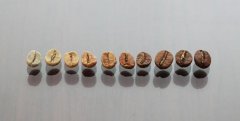
The correct fresh-keeping method of Fine Coffee
Why is storage so important? The wonderful ingredients in the coffee have been drifting away, from the coffee fruits harvested from the trees, from the raw beans in the processor, especially from the cooked beans. These factors that contribute to the quality of coffee can also be destroyed by oxidation, resulting in the loss of flavor and aroma. Treat the storage of coffee beans in order to retain as much aroma as possible in the last cup
2016-05-31 Boutique coffee correct fresh-keeping methods coffee beans preservation why storage such as