“compound” search results (1336)

Related Pharmacokinetics of Coffee
The phenomenon of death with caffeine is rare. The lethal dose of caffeine for adults is about 5-10g, and adverse reactions can occur when taking 1g, such as central nervous system and circulatory system symptoms. Early symptoms such as insomnia, restlessness and agitation develop into mild coma, vomiting, spasms, muscle tension and tremor, tachycardia and extrasystole (extrasysto1e). In addition,
2014-07-15 Coffee knowledge coffee encyclopedia dynamics
High-quality coffee common sense aroma is the life of coffee quality
Aroma: aroma is the life of coffee quality, and it can best represent the coffee production process and baking technology, as well as the climate, elevation, variety, refined treatment, harvest, storage, roasting technology of the consuming country, etc. are the conditions that determine the aroma of coffee beans. The aroma of coffee was analyzed by gas chromatography, which proved that it was composed of acids, alcohols, acetaldehyde, ketones, esters, sulfur compounds,
2014-12-05 Boutique coffee common sense aroma quality life
High-quality coffee common sense aroma is the life of coffee quality
Aroma: aroma is the life of coffee quality, and it can best represent the coffee production process and baking technology, as well as the climate, elevation, variety, refined treatment, harvest, storage, roasting technology of the consuming country, etc. are the conditions that determine the aroma of coffee beans. The aroma of coffee was analyzed by gas chromatography, which proved that it was composed of acids, alcohols, acetaldehyde, ketones, esters, sulfur compounds,
2015-05-04 Boutique coffee common sense aroma quality life
The coffee that fascinates countless people has a variety of flavors.
Coffee is a magical drink that fascinates millions of people. Its bitter, astringent, salty, spicy, sweet and other flavors, so that the tip of the tongue and smell perfectly reflect the taste of coffee, the sharp edge of the tongue can feel this ever-changing taste of coffee. The strong aroma of coffee when coffee beans are ground, their fibers are heated and broken, releasing carbon dioxide. Carbon dioxide
2015-08-18 Make no several people for it fascinated coffee variety taste one kind make no
Effect of roasting on Brown Coffee Powder
Roasting causes physical and chemical changes in coffee beans and ingredients, which determine the color and ignorance of brown coffee powder.
2014-07-12 Coffee knowledge coffee roasting coffee encyclopedia
The city with the most coffee shops in China
Caff Latte requires a small Espresso (Italian word for coffee) and a glass of milk (150 - 200 ml). Latte coffee has more milk and less coffee, which is very different from Cappuccino. latte is made very simply by pouring a latte into a freshly made espresso
2016-06-08 latte coffee type china coffee shop many city italian
Awaken the Spirit of Flavor-- the Chemical change and dramatic Evolution of "Baking"
What happens when coffee beans are roasted? In fact, no one can answer this question very accurately. One of the mysterious characteristics of coffee beans is that their aromatic compounds are very complex. at present, it is known that there are about 700850 substances related to flavor in roasted coffee beans, and the actual number of substances will be related to each experiment.
2014-08-15
Like to make coffee, refer to the coffee flavor coffee extraction institute
Boutique coffee is fresh coffee. Whether it's food or drink, of course, the fresh the better, and so is boutique coffee. High-quality coffee should keep the coffee beans fresh before making, including the preservation of baked beans, and grind the coffee beans into powder before making, which is also to retain its original and best flavor. And the way of making hand-made coffee is such a way to make high-quality coffee.
2016-06-27 Like make coffee data reference flavor extraction research boutique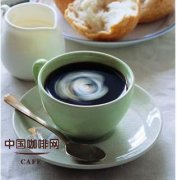
How to make a cup of hand-brewed coffee at home is the life of coffee quality.
Aroma: aroma is the life of coffee quality, and it can best represent the coffee production process and baking technology, as well as the climate, elevation, variety, refined treatment, harvest, storage, roasting technology of the consuming country, etc. are the conditions that determine the aroma of coffee beans. The aroma of coffee was analyzed by gas chromatography, which proved that it was composed of acids, alcohols, acetaldehyde, ketones, esters, sulfur compounds,
2015-11-06 How at home one cup pressure hand brew coffee fragrance quality life
Coffee beans taste, taste
1) ahenaste The sensation of steam in brewed coffee, ranging from chocolate to charcoal, from spicy to turpentine. Aftertaste is the smell released by the remaining ingredients in the mouth after swallowing coffee. Aroma The sensation of inhaling the gases released by coffee, ranging from fruity to grassy to nutty. Coffee (Bouquet)
2016-06-01 coffee beans taste aftertaste ahenaste brewing coffee moisture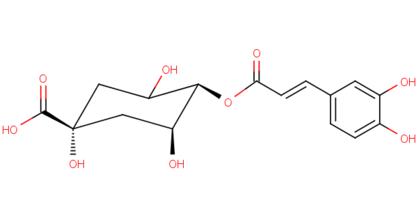
SCAA Emma Bladyka chlorogenic acid: the importance of chemical changes in chemistry and reality baking
What are they? Many plants contain chlorogenic acid in addition to caffeine. Acids have this very similar structure in the Luyuan Group, and the composition of an ester usually includes caffeic acid and quinic acid as components. All chlorogenic acids belong to a larger class of phenolic acids. In nature, phenolic acids are usually used as defensive compounds by plants, or as a signaling mechanism between plants and soil microorganisms. they
2016-01-15 SCAA Emma Bladyka Green Plains Chemistry reality Baking
Where does the bitterness in premium coffee come from?
A cup of coffee is a complex drink made up of more than 30 chemicals that determine the taste, aroma and acidity of the coffee. Since the 1930s, scientists have isolated and identified a variety of chemicals related to the sensory composition of coffee, but no one can figure out what makes coffee so bitter. In order to solve this mystery, science has to cook.
2014-12-25 Boutique coffee basics common sense medium bitter from where a cup of coffee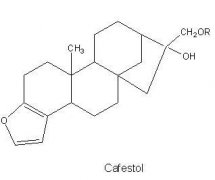
Basic knowledge of fine coffee what is caffeine alcohol?
Caffeine alcohol is a diterpene compound in coffee. Caffeine is high in unfiltered coffee, such as Turkish coffee, but it is so low in filtered coffee that it is almost negligible. In the 1980s, it was found that consumption of unfiltered coffee could raise serum cholesterol levels, and this result was caused by coffee bean alcohol and coffee.
2014-12-31 Boutique coffee basics what one medium diterpenes compounds
Basic knowledge of fine coffee what is caffeine alcohol?
Caffeine alcohol is a diterpene compound in coffee. Caffeine is high in unfiltered coffee, such as Turkish coffee, but it is so low in filtered coffee that it is almost negligible. In the 1980s, it was found that consumption of unfiltered coffee could raise serum cholesterol levels, and this result was caused by coffee bean alcohol and coffee.
2015-03-14 Boutique coffee basics what one medium diterpenes compounds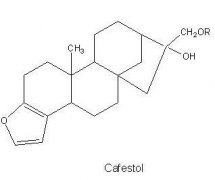
Basic knowledge of fine coffee what is caffeine alcohol?
Caffeine alcohol is a diterpene compound in coffee. Caffeine is high in unfiltered coffee, such as Turkish coffee, but it is so low in filtered coffee that it is almost negligible. In the 1980s, it was found that consumption of unfiltered coffee could raise serum cholesterol levels, and this result was caused by coffee bean alcohol and coffee.
2015-01-17 Boutique coffee basics common sense what one medium diterpenes compounds
Analysis of coffee composition where does the bitterness in coffee come from
A cup of coffee is a complex drink made up of more than 30 chemicals that determine the taste, aroma and acidity of the coffee. Since the 1930s, scientists have isolated and identified a variety of chemicals related to the sensory composition of coffee, but no one can figure out what makes coffee so bitter. In order to solve this mystery, science has to cook.
2014-09-27 Coffee knowledge coffee composition coffee bitterness
Basic knowledge of coffee where does the bitterness in coffee come from
A cup of coffee is a complex drink made up of more than 30 chemicals that determine the taste, aroma and acidity of the coffee. Since the 1930s, scientists have isolated and identified a variety of chemicals related to the sensory composition of coffee, but no one can figure out what makes coffee so bitter. In order to solve this mystery, science has to cook.
2014-11-18 Coffee knowledge coffee common sense coffee bitterness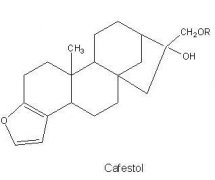
What is caffeine alcohol? The knowledge that baristas must know
Caffeine alcohol is a diterpene compound in coffee. Caffeine is high in unfiltered coffee, such as Turkish coffee, but it is so low in filtered coffee that it is almost negligible. In the 1980s, it was found that consumption of unfiltered coffee could raise serum cholesterol levels, and this result was caused by coffee bean alcohol and coffee.
2015-10-16 What coffee must understand knowledge a kind of in diterpenes compounds
Why does coffee smell so good? Why is the aroma so strong when grinding coffee?
Caramel reaction once ordered a cup of Guatemala-Huehuetenango near the Kaohsiung Cultural Center and spent a beautiful afternoon with "my Adventure" (My Life As An Explorer by Sven Hedin). After drinking coffee, I accidentally found that the dry coffee stains at the bottom of the cup were arranged into interesting patterns, so I picked it up to see if I could see the next issue.
2016-05-07 Coffee why so aroma then saccharification reaction one time Kaohsiung culture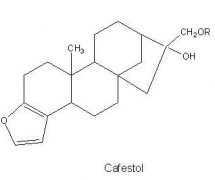
What are the chemicals in the coffee? What is caffeine alcohol?
Caffeine alcohol is a diterpene compound in coffee. Caffeine is high in unfiltered coffee, such as Turkish coffee, but it is so low in filtered coffee that it is almost negligible. In the 1980s, it was found that consumption of unfiltered coffee could raise serum cholesterol levels, and this result was caused by coffee bean alcohol and coffee.
2015-10-20 Coffee what chemistry ingredients coffee one medium diterpenes compounds raw