“coffee tree disease” search results (2000)
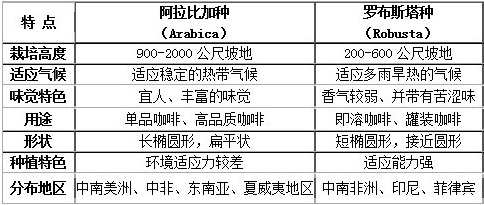
What's the difference between Arabica coffee beans and Roberta coffee beans? Arabica Coffee Tree Robbas
Different planting conditions [Elaraby Kadou] Arabica coffee has more stringent planting conditions, weak disease resistance, higher altitude requirements, slower growth, higher quality, and more refined processing of raw beans. Growing at colder altitudes in the tropics, it is an important kind of commercial coffee with a fruiting period of less than three years and a high-quality aroma and sour taste. Arabica coffee bean owner
2016-04-22 Rabbi coffee beans Robesta what's the difference coffee Shulo Buzz planting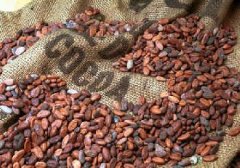
Coffee is not guilty! Coffee is a kind of fruit!
Although there are a large number of cartoons and almost universally accepted legends that Eve ate a fruit from the Garden of Eden, the Bible does not say that Eve ate an apple. The record in Genesis is that she ate fruit from the tree of good and evil. Why do people think Eve eats apples? One reason is that in Latin, the word evil is malum, and the word apple is also malum. A.D.
2015-09-12 Coffee not guilty a kind of fruit.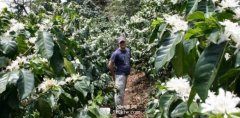
Understanding coffee leaf rust
The most destructive disease of coffee trees is Hemileia vastatrix. The disease has long occurred in coffee-producing regions such as Africa, the Near East and India, Asia and Australasia, and first appeared in the Western Hemisphere in 1970. The once-thriving coffee plantations of Sri Lanka and Java were destroyed there
2014-08-21 understand coffee leaf rust rust destructive large disease camel spore
Introduction to the quality and Flavor description of Arabica Coffee varieties
Bourbon coffee features iron pickup "Typica" iron pickup, the name sounds majestic, but in fact it is not so strong. It has a weak physique, poor disease resistance, easy to catch rust leaf disease and produces less fruit. It is one of the oldest native varieties in Ethiopia, and many Arabica are derived from iron pickups! The bronze color of the top leaf of the iron pickup is one of the characteristics, and the bean grain is large and pointed.
2016-10-19 Rabbi coffee variety quality flavor description treatment taste grinding introduction
The planting of coffee trees
When tasting a single cup of coffee, you will see some information about the variety in addition to the country, region and geographical and climatic conditions. Such as Arabica, Robusta, Bourbon and so on.
2014-07-22 Coffee knowledge coffee trees coffee cultivation coffee encyclopedia
Classification and selection of coffee trees
Arabica Coffee and Variety improvement. What do the so-called families, genera and species of Arabica species mean in biological classification? In terms of biological classification, it is divided into boundary, phylum, class, order, family, genus and species from top to bottom, and the lower part of the species is subdivided into subspecies, varieties and varieties. Arabica coffee is generally thought to originate from the Ethiopian plateau and is widely divided.
2014-08-21 Coffee classification selection rabbi card species coffee varieties improved planted so-called
Common Coffee Tree Diseases and pests and Control methods in Coffee planting
1. Coffee tiger longicorn beetles are distributed in all coffee producing areas in the world, and also occur in Yunnan, Guangxi and Hainan Island in China. It is one of the major pests of coffee. The coffee tiger longicorn beetle harms the coffee trunk for more than 2 years. At first, it eats between the cambium and xylem, and then eats the xylem. The victim was a curved tunnel filled with sawdust, which had a great impact on coffee.
2015-03-23 Coffee common sense planting common diseases and pests control methods coffee longicorn beetles the world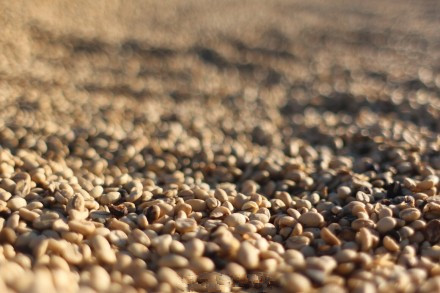
World Coffee Information Latin American caffeine climate warming is facing decline
Organic coffee in Latin America is under threat due to the spread of rust leaf disease at higher altitudes due to global warming, Taiwan's United News Network reported recently. For nearly six years, a fungus commonly known as "coffee rust" has killed a large number of coffee trees in Central America, so many that scientists believe that coffee harvests in the region could be reduced by as much as 40%. The culprit is what scientists say
2015-03-31 World Coffee Information Latin America caffeine Climate warming facing decline Taiwan
High-quality coffee common sense coffee tree classification selection
Arabica Coffee and Variety improvement. What do the so-called families, genera and species of Arabica species mean in biological classification? In terms of biological classification, it is divided into boundary, phylum, class, order, family, genus and species from top to bottom, and the lower part of the species is subdivided into subspecies, varieties and varieties. Arabica coffee is generally thought to originate from the Ethiopian plateau and is widely divided.
2015-01-08 Boutique coffee common sense classification selection rabbi card variety improvement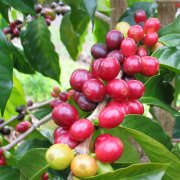
Boutique coffee SL28 variety is extremely rare in Central America, this tree species originated from Tanzania in East Africa
SL28 is extremely rare in Central America. This tree species originated from Lake Tanganyika in East Africa. It was discovered in 1931. Its leaves are broad and reddish. It can adapt to quite high altitude environment. It has excellent drought resistance and disease resistance. It also has higher yield than traditional trees. The performance of flavor is also unique. 1935 Scottish Labo
2016-05-14 Fine Coffee SL28 Cultivated Central America Extreme Rare Tree Species Originated
Basic knowledge about coffee trees
Breed of coffee: When you taste single-origin coffee, you will see some information about the variety in addition to the country of origin, production area and geographical and climatic conditions. Arabica, Robosta, Bourbon, etc. For coffee flavor, of course, the difference in the production area is relatively large. When it comes to different varieties of beans produced in the same locality, the differences between varieties change.
2014-12-26 Boutique Coffee Basics Common sense About Foreword Tasting Single item Except
Coffee users must know 25 common sense of coffee
1. According to legend, coffee was discovered by an Ethiopian shepherd named Khaldi in the 9th century. While herding the sheep, Khaldi found that the sleepy sheep looked very excited after eating the red fruit of an evergreen tree. Khaldi brought the fruit to a Muslim cleric who made the fruit from the coffee tree into a delicious drink. 2. Although
2015-10-10 Coffee control will 25 common sense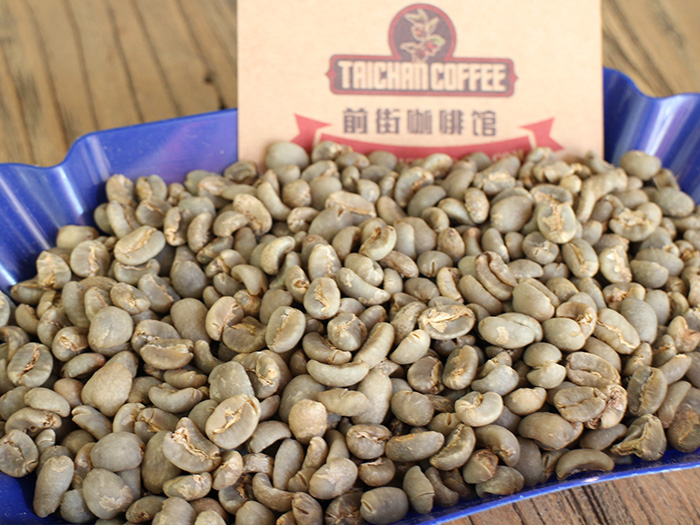
Iron pickup or bourbon? Iron pickup coffee beans iron pickup coffee beans price Panamanian Ireta Manor
Iron pickup "Typica" iron pickup, the name sounds majestic and powerful, but in fact it is not so strong. It has a weak physique, poor disease resistance, easy to catch rust leaf disease, and produces less fruit. It is one of the oldest native varieties in Ethiopia, and many Arabica are derived from iron pickups! The parietal leaf of the iron pickup is bronzed, and the bean grain is large, pointed, oval or thin.
2016-04-22 Pickup or bourbon coffee beans price Bana May Leeta Manor pickup
The kind of coffee
When tasting a single cup of coffee, you will see some information about the variety in addition to the country, region and geographical and climatic conditions. Such as Arabica, Robusta, Bourbon and so on.
2014-07-04 Coffee knowledge coffee encyclopedia coffee common sense
Coffee cultivation techniques detailed explanation of planting knowledge of Coffee trees
Coffee, cocoa and tea are called the three major beverages in the world, and their output, consumption and output value all rank first. In addition to being used as a beverage, coffee can also extract caffeine and coffee oil; in medicine, it can be used as an anesthetic, stimulant and diuretic cardiotonic agent. Coffee pulp can be used to make wine, vinegar, pectin and molasses; dried pulp can be used as animal feed; dried fruit shell can be used as fertilizer and burning
2015-02-16 Coffee cultivation techniques planting knowledge detailed explanation
Fine Coffee Science explains Coffee Leaf Rust in detail
Coffee leaf rust (coffee rust) is the most destructive disease of coffee trees, which is caused by coffee camel rust (Hemileia vastatrix). The disease has long occurred in coffee-producing areas such as Africa, the near East and India, Asia and Australasia. It first appeared in the Western Hemisphere in 1970 and was found in Brazil. Once-thriving coffee plantations in Sri Lanka and Java
2014-11-18 Coffee knowledge boutique caffeine coffee leaf rust
Basic knowledge of fine coffee Coffee Leaf Rust
Coffee leaf rust (coffee rust) is the most destructive disease of coffee trees, which is caused by coffee camel rust (Hemileia vastatrix). The disease has long occurred in coffee-producing areas such as Africa, the near East and India, Asia and Australasia. It first appeared in the Western Hemisphere in 1970 and was found in Brazil. Once-thriving coffee plantations in Sri Lanka and Java
2014-12-24 Boutique coffee basics common sense leaf rust rust c
Coffee basic knowledge Coffee Control must know 25 Common sense of Coffee
1. According to legend, coffee was discovered by an Ethiopian shepherd named Khaldi in the 9th century. While herding the sheep, Khaldi found that the sleepy sheep looked very excited after eating the red fruit of an evergreen tree. Khaldi brought the fruit to a Muslim cleric who made the fruit from the coffee tree into a delicious drink. 2. Although
2015-04-07 Coffee basics common sense Guobi 25
Coffee is a kind of fruit!
Although there are a large number of cartoons and almost universally accepted legends that Eve ate a fruit from the Garden of Eden, the Bible does not say that Eve ate an apple.
2014-07-26 Coffee knowledge coffee fruit coffee encyclopedia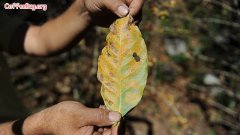
What is the disease of coffee planting that harms coffee leaf rust?
In the past 20 to 25 years, there has been a strong global demand for raw coffee beans. In order to increase production, many coffee farmers in Central America have abandoned the traditional shade planting technique and used sun exposure to grow coffee. Due to the loss of the protective effect of the crown and the reduction of biodiversity, the control of diseases and insect pests can only be more dependent on the use of pesticides and fungicides, which not only destroys the original complex health.
2015-10-28 Coffee planting disease harm leaf rust what is it?