“coffee trading knowledge” search results (1000)

Basic knowledge of boutique coffee beans Rosa coffee beans
Rosa originated from a very rare wild species in Ethiopia, and the beans may be named after this coffee bean found near the local village called Rosa. The coffee tree is tall, its leaves are slender, and it is not afraid of coffee rust. It is characterized by a wide gap between branches on the trunk. The appearance of raw beans is slender, and ripe beans have strong and rich fruit aromas. I personally feel full-bodied.
2015-01-17 Boutique coffee beans basics common sense rose summer originated from Ethiopia non-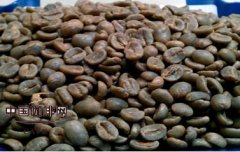
What is wet coffee? Basic knowledge of boutique coffee
This kind of coffee is peeled and separated from the pulp when the beans are still wet. Most of the world's most famous coffee is wet-processed to strengthen its acidity. In traditional wet processing, the coffee skins are separated and the peeled coffee beans are placed in a container so that the enzyme loosens the sticky peel or mucus (fermentation), and the loose fruit is then washed off (washed).
2015-01-27 What wet coffee boutique basics common sense this kind of coffee is in coffee beans
Basic knowledge of boutique coffee what is wet coffee?
This kind of coffee is peeled and separated from the pulp when the beans are still wet. Most of the world's most famous coffee is wet-processed to strengthen its acidity. In traditional wet processing, the coffee skins are separated and the peeled coffee beans are placed in a container so that the enzyme loosens the sticky peel or mucus (fermentation), and the loose fruit is then washed off (washed).
2014-12-17 Boutique coffee basics common sense what wet this kind of coffee is in the coffee beans
Basic knowledge of Fine Coffee International Coffee Organization
The International Coffee Organization is an intergovernmental organization founded in London in 1963. It is composed of coffee importers and exporters. The organization is responsible for implementing the International Coffee Convention and is committed to improving the situation of the world coffee industry through international cooperation. The establishment of the International Coffee Organization is based on the irreplaceable economic importance of coffee. Coffee is one of the most traded goods in the world.
2015-02-09 Boutique coffee basics common sense understanding international organization
The god of poetry, Tong Lanbo, abandoned his articles and went to Egypt to do coffee business, coffee culture.
Ethiopia is mainly a wild coffee forest, want to chew coffee fruit or drink coffee, go into the forest to pick, so there was no coffee cultivation in ancient Ethiopia. Yemen had a large-scale coffee cultivation industry and coffee trade with Europe as early as the 15th and 16th centuries, and Ethiopia did not have a record of coffee trade until the 19th century. In 1838, Ethiopia passed through the port of the Red Sea
2015-02-11 Poetry child prodigy Rambo Jiwen going to Egypt coffee business coffee culture Ethiopia
Boutique Coffee basic knowledge of Coffee what is wet coffee?
This kind of coffee is peeled and separated from the pulp when the beans are still wet. Most of the world's most famous coffee is wet-processed to strengthen its acidity. In traditional wet processing, the coffee skins are separated and the peeled coffee beans are placed in a container so that the enzyme loosens the sticky peel or mucus (fermentation), and the loose fruit is then washed off (washed).
2015-05-13 Boutique coffee basics common sense what wet this kind of coffee is in the coffee beans
What is wet coffee? Basic knowledge of introduction to Coffee
What is wet coffee? This kind of coffee is peeled and separated from the pulp when the beans are still wet. Most of the world's most famous coffee is wet-processed to strengthen its acidity. In traditional wet processing, the coffee skin is separated and the peeled coffee beans are placed in a container so that the enzyme loosens the sticky peel or mucus (fermentation), and then the loose fruit is washed.
2015-09-23 What wet coffee getting started basics common sense what this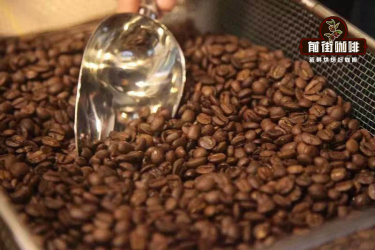
Coffee futures American type C futures Arabica coffee bean price trend quotation contract latest news
The American coffee bean futures business began with the New York Coffee Business in 1882, which added sugar futures contracts in 1916 and changed its name to New York Coffee and Sugar Trading. It was not until 1979 when it merged with the New York cocoa business that it became known to the giants as the New York coffee, sugar and cocoa business.
2023-01-06 Coffee knowledge coffee futures coffee encyclopedia
The Origin of Coffee in the Consulate of Kashgar, Xinjiang (Historical knowledge)
Catherine Martney, wife of the British Consul General in Kashgar, Kashgar, is a brave English woman who has lived here with her husband for 17 years. In 1931, she wrote "the memory of a diplomat's wife to Kashgar" affectionately and in a delicate and warm tone. In 1898, an ordinary woman as far away as Great Britain
2014-05-28 Coffee history coffee origin coffee knowledge
Coffee basic knowledge three native species of coffee
There are about 40 species of coffee plants, but only one can produce coffee beans of commercial value. Arabica, Robusta and Liberia are known as the three major native species of coffee: Arabica species are native to the Ethiopian plateau. Arabica coffee accounts for 75%, 80% of all coffee varieties, and its excellent flavor and aroma make it these.
2015-04-22 Coffee basics common sense three original
Coffee knowledge mocha coffee
Mocha coffee (also known as mocha or mocha, also translated as Arabian quality coffee, English Caf Mocha, meaning chocolate coffee) is a variant of Italian latte (Caf Latt). Like the classic Italian latte, it is usually made of 1/3 espresso (Caff Espresso) and 2/3 foam, but it also adds less.
2015-03-02 Coffee knowledge mocha coffee also known as Moga or transliteration
Basic knowledge of Coffee Primary processing Fine Coffee
There are many initial processing methods of coffee, which are mainly divided into dry processing, wet processing and semi-dry processing. Here we briefly introduce the first two processing methods. 1. Dry processing (dry process): the fresh coffee fruit is dried into dried fruit, and then the dried peel is removed mechanically to prepare raw coffee. 2. Wet processing (wet process): coffee fruit in aqueous medium
2015-04-23 Coffee primary processing boutique basics common sense coffee ways many main
Coffee Culture Story how Coffee was introduced into Arabia
European historians argue that as early as 800 years ago, there were artificial coffee trees for trade in Yemen in the southern Arabian Peninsula, and there was historical evidence that at that time, there was indeed trade across the Red Sea between Yemen and Ethiopia. Based on this, people speculate that if the use of coffee was discovered by Ethiopians, then coffee
2014-10-14 Coffee knowledge coffee culture coffee history Arabia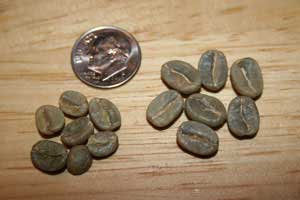
Knowledge points of Coffee Raw Bean: the concept of Fine Coffee Specialty Coffee (1)
The traditional classification of coffee beans is usually based on the classification criteria defined by the coffee producing countries, and then agreed to become common in the international market and traded under such a tacit understanding. For a long time, coffee producing countries have their own classification and evaluation criteria for coffee, which serve as the pricing guidelines in the coffee market. But slowly in recent years, coffee consuming countries have begun to demand unified evaluation criteria.
2015-12-18 Coffee raw beans knowledge essentials boutique Specialty Coffe
Basic knowledge of Fine Coffee Coffee from the Philippines
Coffee was introduced into the Philippines (Philippines) in the early 19th century and by 1880 the country had become the fourth largest coffee exporter in the world. However, due to the spread of coffee rust, the country became a coffee importer soon after 1880. However, the coffee growing industry has gradually recovered. Coffee production in the Philippines: the Philippines is one of the few countries that can grow four varieties of coffee.
2014-12-19 Boutique Coffee Basics Common sense Philippines introduction Phil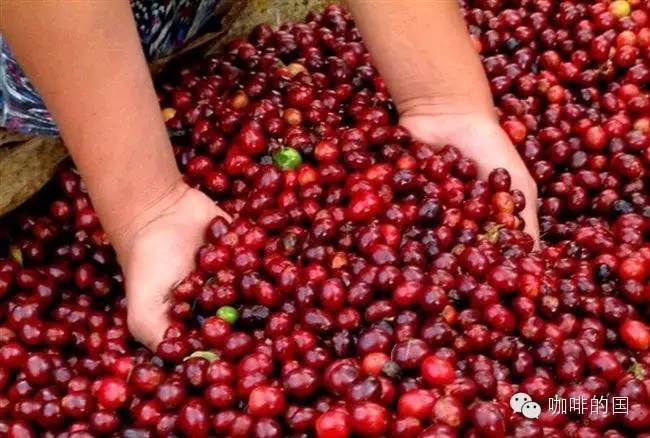
The trade pattern of raw coffee beans is changing, with both challenges and opportunities.
Coffee is our beloved, and global coffee consumption has nearly doubled in the past 40 years, with an average of 2.25 billion cups of coffee consumed every day, of which about 400 million cups are consumed in the United States alone. But do you know where coffee comes from, how it is made, and how it becomes a delicacy in our cups? In order to change the mass consumer
2016-07-27 Coffee raw beans trade patterns changes challenges opportunities coexistence
Herbal coffee
Coffee ranks first among the three largest beverages in the world, is the second largest trade commodity in the world (only after oil), and is an important raw material for medicine, food and light chemical industry. At present, the global coffee culture and drinking coffee are woody coffee, and mainly produced in Vietnam, Brazil, Colombia, Indonesia and other Central America, Africa, Asia and other regions near the equator. There are only clouds in our country.
2014-08-14 Coffee knowledge herbal coffee coffee encyclopedia
Relationship between shading planting of Coffee trees and Fine Coffee
As a knowledgeable consumer of coffee, you must have heard the description: this coffee is grown in shade. However, such a word that often appears in your coffee dictionary is sometimes quite deceptive. Coffee that is fairly traded, organic, hand-picked and specially roasted is often considered to be of better quality, isn't it? Maybe it is. It's going to be
2015-09-06 Coffee shade planting boutique relationship as one coffee knowledge rich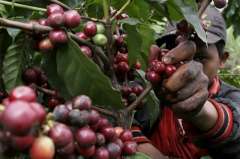
The trade pattern of raw coffee beans is changing, with both challenges and opportunities.
Coffee is our beloved, and global coffee consumption has nearly doubled in the past 40 years, with an average of 2.25 billion cups of coffee consumed every day, of which about 400 million cups are consumed in the United States alone. But do you know where coffee comes from, how it is made, and how it becomes a delicacy in our cups? In order to change the mass consumer
2016-06-19 Coffee raw beans trade patterns changes challenges opportunities coexistence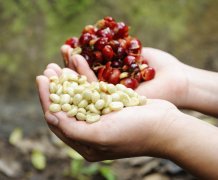
The trade pattern of raw coffee beans is changing, with both challenges and opportunities.
Coffee is our beloved, and global coffee consumption has nearly doubled in the past 40 years, with an average of 2.25 billion cups of coffee consumed every day, of which about 400 million cups are consumed in the United States alone. But do you know where coffee comes from, how it is made, and how it becomes a delicacy in our cups? In order to change the mass consumer
2016-05-21 Coffee raw beans trade patterns changes challenges opportunities coexistence