“coffee semi-washing method” search results (300)

Introduction to the treatment of raw beans-- what is mechanical semi-washing?
Mechanical semi-washing-economical half-sun method can not be used in all producing areas. If the producing area with heavy moisture is allowed to take out the pectin pods and expose them outdoors, it is not only not easy to be dehydrated and hard, but also prone to parasitic molds. therefore, the mechanical semi-washing method has been developed in areas with heavy humidity, which saves both effort and water. First put the red fruit and the half-green and half-red fruit that have sunk into the sink
2016-03-30 Raw beans treatment methods introduction mechanical semi-water washing what water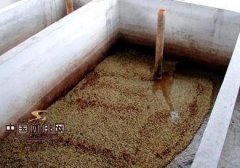
Treatment of Coffee Fruit by semi-washing
Not all producing areas can use the Brazilian half-sun method. If the producing area with heavy moisture is allowed to take out the pectin pods and expose them outdoors, it is not only not easy to be dehydrated and hard, but also easy to parasitize molds. Therefore, mechanical semi-washing has been developed in areas with heavy humidity, which saves both labor and water. First, move the red fruit and the half-green and half-red fruit into the pulp sieving machine to get the sticky fruit.
2015-11-04 Coffee half water washing treatment method not all producing areas can be used.
The handling of coffee beans
The harvest time of coffee fruit produced in different countries and regions is different, usually when the coffee fruit is bright red when the flower thickness is about 7 to 8 months, which is called "coffee cherry" (coffee cherries).
2014-05-14 Coffee knowledge coffee beans handling methods
Introduction of Coffee treatment introduction of semi-washing honey treatment of coffee beans by drying method
Water washing is the most popular treatment method at present, and most boutique coffee beans will choose water washing method. Washing coffee refining process: harvesting storage tank (removal of impurities and immature beans) pulp removal machine (removal of pulp and impurities) fermentation tank (removal of mucous membrane attached to endocarp) washing pool (selection of light and hard beans) sun drying field (or dryer) sheller (
2016-08-04 Coffee treatment introduction drying coffee beans semi-water washing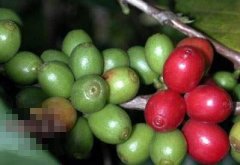
The treatment of coffee fruit
The harvest time of coffee fruit produced in different countries and regions is different, usually when the coffee fruit is bright red when the flower thickness is about 7 to 8 months, which is called "coffee cherry" (coffee cherries). The definition of treatment refers to the removal of the exocarp, endocarp, silver skin of coffee cherry. Wait for five parts, and finally get the coffee beans.
2014-06-18 Coffee knowledge coffee fruit coffee processing coffee encyclopedia
Introduction of semi-washing method for the treatment of raw coffee beans
It is a relatively new and rare method. This method is also suitable for processing local coffee only in specific areas of some countries where there is a long drying period in the climate. The coffee produced by this method is sticky, and the mucus is not removed with fermentation in the tank. Therefore, the coffee produced by this semi-wet treatment contains moisture treatment.
2015-11-04 Coffee raw beans treatment method introduction semi-water washing one comparison new and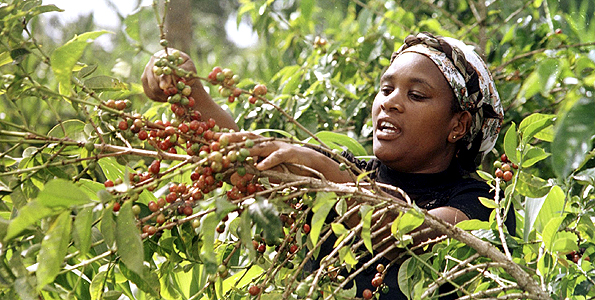
Coffee from fruit to raw bean dry washing semi-washing refined Colombian coffee beans
Coffee changes from fruit to raw bean there is a pair of oval seeds in the middle of the fruit, which are covered with outer skin, inner pulp and pulp. Ripe fruit spoils in a short time without treatment. Refining is to remove the skin and pulp of the coffee fruit, and then take out the seeds. Generally speaking, about 1 kg of raw coffee beans can be obtained from 5 kg of coffee fruit. The refining methods include drying and washing.
2016-03-29 Coffee fruit turn raw beans dried washed refined Colombian coffee beans
Introduction of semi-washing method for the treatment of high-quality coffee and raw beans
It is a relatively new and rare method. This method is also suitable for processing local coffee only in specific areas of some countries where there is a long drying period in the climate. The coffee produced by this method is sticky, and the mucus is not removed with fermentation in the tank. Therefore, the coffee produced by this semi-wet treatment contains moisture treatment.
2015-04-17 Boutique coffee raw beans treatment method introduction semi-water washing one comparison
Treatment of half-sun or half-water washing (semi-washed) for coffee taste Honey treatment
Generally speaking, if the pulp layer is removed effectively and properly, the coffee seeds will be clean, and the beans will taste clear when roasted, but can not be removed quickly, and some coffee berries may be left on the beans. If handled well, this will bring a hint of fruit to the baked coffee, but if it can not be disposed of in time, the pulp will be overfermented or even fermented.
2016-07-14 Coffee taste solarization washing semi-washed treatment method
Introduction to the treatment of coffee beans there are several treatment methods for mechanically semi-washed coffee beans
Mechanical semi-washing-economical half-sun method can not be used in all producing areas. If the producing area with heavy moisture is allowed to take out the pectin pods and expose them outdoors, it is not only not easy to be dehydrated and hard, but also prone to parasitic molds. therefore, the mechanical semi-washing method has been developed in areas with heavy humidity, which saves both effort and water. First put the red fruit and the half-green and half-red fruit that have sunk into the sink
2016-07-21 Coffee beans treatment method introduction mechanical washing several methods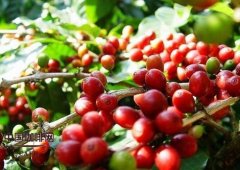
Brazilian coffee making technology Brazilian coffee beans
Let's talk about desizing. The desizing method was introduced to Brazil 25 years ago by Pinhalense, a well-known machinery and equipment manufacturer. Desizing is the second most popular way to treat raw coffee beans in Brazil, and Brazilians like to call it Cereja Descascado (Descascado means peeling, Cereja means fruit). In Central American countries, desizing is also known as honey treatment. In
2016-05-30 Brazil coffee production craftsmanship coffee beans let's say desizing was in years ago.
The effect of sun washing on coffee beans what is the difference in flavor?
Coffee washing is also a semi-washing method for the treatment of coffee berries. This method is developed on the basis of washing. The first step is the same as washing. When the fruit turns red, it is picked and put into the pool. The immature fruit floats and the ripe coffee fruit sinks. Remove immature coffee berries in this way. Then use the ripe coffee berries specially
2016-10-21 Sun exposure washing processing coffee beans influence difference flavor where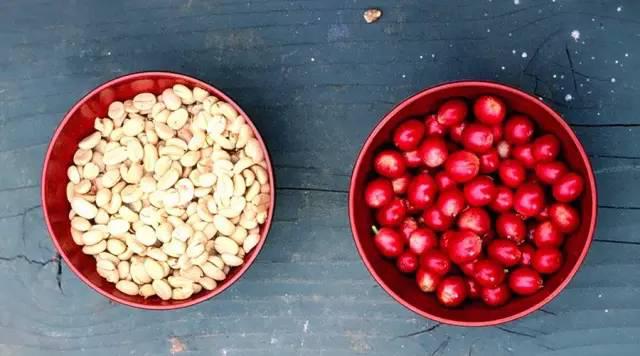
Classification and introduction of Refining methods of Coffee Raw beans
When drinking hand cups in a good cafe, the barista is sure to mention these proper terms when introducing beans. Whether washing in water or in the sun, in fact, it is the refined way of coffee beans (processing). What is refined way to review first, we usually say coffee beans are actually seeds; the fruit of coffee is called coffee cherry (Coffee Cherry).
2015-12-07 Coffee raw beans refining processing methods classification introduction knowledge essentials must see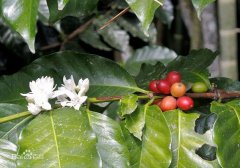
How many treatments are there for Brazilian coffee? Brazilian coffee flavor
The four most common treatment methods of Brazilian coffee are natural solarization, desizing, semi-washing and water washing, among which natural solarization is the most popular. Since the harvest seasons in Brazil's two main producing areas, Serrado Minero (CerradoMineiro) and Mogiana Paulista (Mogiana Paulista), are both dry seasons of the year, natural solarization is popular in this region.
2016-06-06 Brazil coffee how much treatment way flavor common four kinds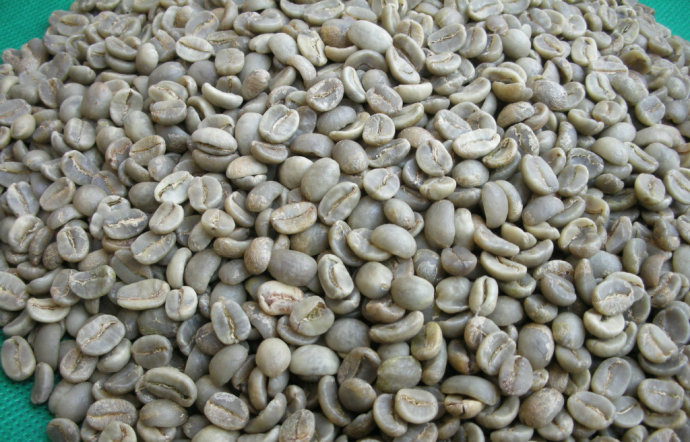
The difference between Coffee Bean washing and semi-washing
The washing refining of coffee began in the mid-18th century. In the refining process, the pulp of the coffee fruit is first removed, then the residual mucous membrane on the inner pericarp is removed by a fermentation tank, and the beans are washed and dried. The difference between non-washing refining and water-washing refining is that the non-washing refining method is dried and then the pulp is removed, while the washing method is to remove the pulp and then dry! Washing type refining
2016-01-16 Coffee fruit picking raw beans treatment method coffee beans washing distinction
Why does Sumatra use semi-washing?
Bean selection: first put the coffee fruit into the big water tank, move the red fruit and semi-green and semi-red fruit into the pulp sieving machine to remove the pulp and impurities. Remove pectin: take out the coffee beans, do not need to take the sun, let alone pour into the sink to ferment, but directly into the next pectin scraper, only a small amount of water can scrape away the sticky pectin chips mechanically. Exposure:
2016-06-05 Sumatra why use half water wash choose beans coffee fruit put in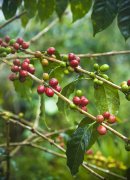
Brazilian Green Coffee Processing Craft Coffee Green Coffee Merchant American Fine Coffee
The four most common treatments for Brazilian coffee are sun, desizing, half-washing and washing, with sun being the most popular. Since the harvest seasons of Cerrado Mineiro and Mogiana Paulista, Brazil's two main producing areas, are both dry seasons of the year, natural solarization is common in this area.
2016-06-24 brazil coffee green beans processing craft americas fine common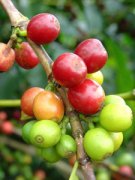
Brazilian coffee beans processing Brazilian coffee green beans wholesale coffee beans American coffee beans
The four most common treatments for Brazilian coffee are sun, desizing, half-washing and washing, with sun being the most popular. Since the harvest seasons of Cerrado Mineiro and Mogiana Paulista, Brazil's two main producing areas, are both dry seasons of the year, natural solarization is common in this area.
2016-07-08 Brazil coffee beans processing way coffee green beans wholesale America
Treatment of Coffee fruits Coffee bean treatment
I would like to introduce the treatment of coffee fruits and the comparison of different ways. The following picture shows an enlarged coffee bean with pectin, in which pectin, parchment, silver skin and raw beans are clearly distinguished. Classification of Processing Method Coffee Fruit treatment methods are divided into dry (Dry Processing) and wet (Wet Processing) treatments according to whether the peel is removed or not.
2015-09-01 Coffee fruit treatment way coffee beans everyone introduction coffee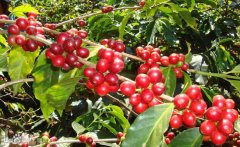
Brazilian coffee green beans processing technology American coffee beans honey processing commercial Brazilian beans green beans
The four most common treatments for Brazilian coffee are sun, desizing, half-washing and washing, with sun being the most popular. Since the harvest seasons of Cerrado Mineiro and Mogiana Paulista, Brazil's two main producing areas, are both dry seasons of the year, natural solarization is common in this area.
2016-06-28 Brazil Coffee Green beans Processing Craft Americas Coffee beans Commercial