“coffee quality grading” search results (7000)
Ethiopian coffee beans introduce the characteristics of Ethiopian coffee beans
Ethiopian coffee beans are divided into five levels. The first and second stages are washed beans. Washed beans Grade1 represents 3 defective beans per 300g raw beans, and Grade2 represents 4 defective beans per 300g. Gradc1 grade water washed beans are very rare and are generally difficult to buy. At present, all the washed beans exported from Ethiopia are Grade2 grade. The quality of sun-dried beans is Grade3 and Grad in order.
2016-05-08 Ethiopia coffee beans introduction characteristics divided into five
Introduction of rich fragrant Kenyan coffee beans
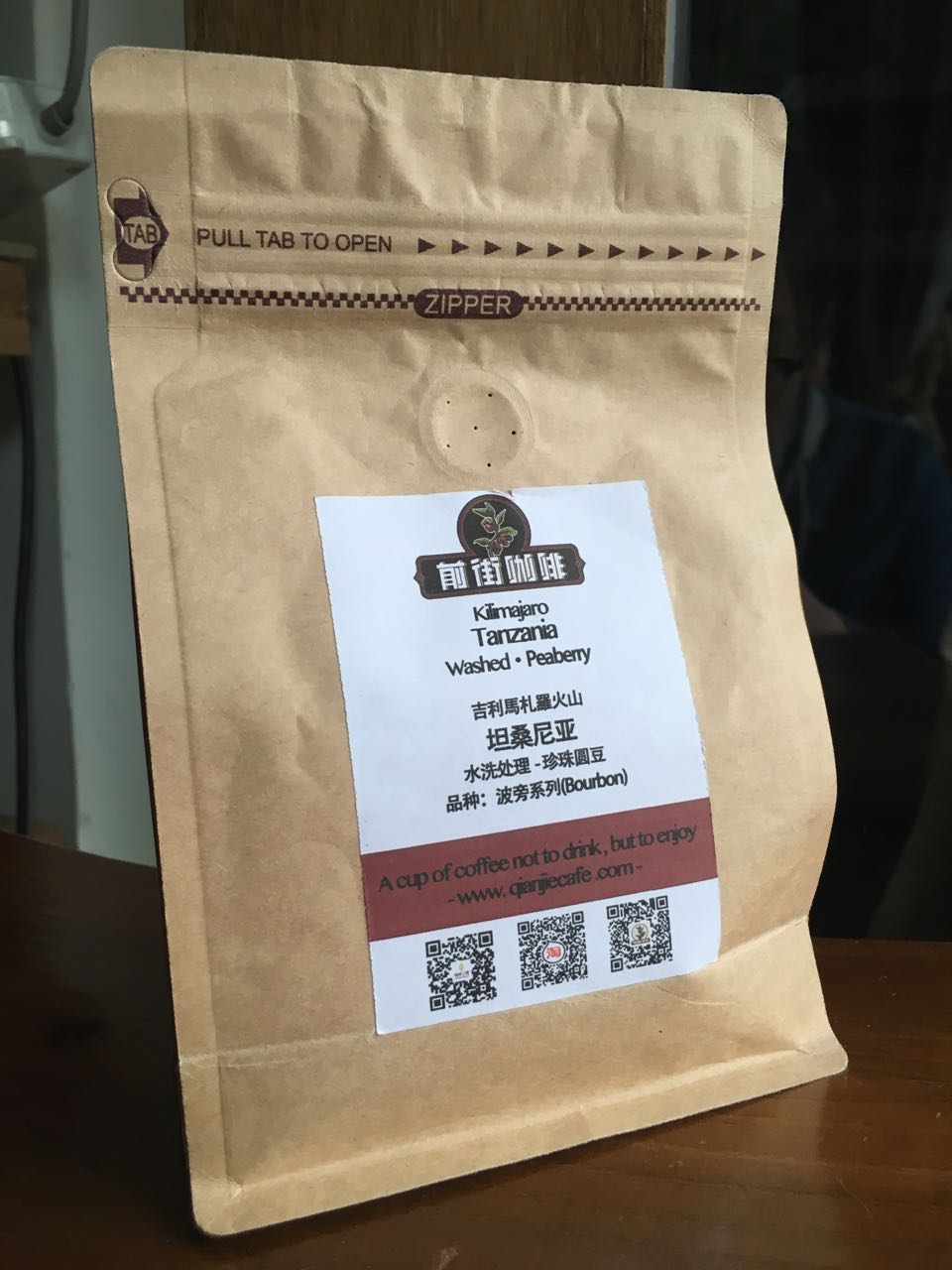
PB (Peaberry round beans) is special. Round beans (PB) are usually produced at the end of coffee trees that bloom too late or too early. Because the yield is rare, accounting for only 10% of the output, the round beans produced by the same coffee tree are more expensive than other flat beans (Flat Bean). When the round beans are specially collected together, the defective beans will be removed, the proportion of defects will be reduced, and the particles will be more consistent.
2016-06-30 Rich fragrant Kenya coffee beans introduction Peaberry round beans than
Colombian raw and cooked coffee beans Colombian Lazmus manor coffee beans
Second: according to the bean body size Maragogype Marrago bark, special tree species, the bean body is huge, the total yield is less. Supremo super grade, bean body less than 17 mesh but more than 14 mesh not more than 5% Supremo screen18+ 18 + super grade, sample bean body less than 18 mesh but more than 14 mesh not more than 5% Excelso Extra first grade, sample bean body in 16 mesh
2016-05-22 Columbia raw coffee beans Raz Moss Manor according to beans size
Ethiopian coffee varieties with wine-like sour taste introduce boutique coffee beans
In Ethiopia, the grading and quality control system of coffee is divided into three levels: producer, regional and national. All coffee is inspected by local inspection agencies before leaving the country of origin, and then re-tested at the coffee inspection and grading centers in Addis and Diredawa to determine its quality grade. Coffee is graded before auction and sale, for all involved in production, acquisition,
2016-07-11 Yes wine same sour Ethiopian coffee variety introduction boutique
Ethiopian Coffee characteristics introduce Ethiopian Coffee Brand Ethiopian Coffee varieties
In Ethiopia, the grading and quality control system of coffee is divided into three levels: producer, regional and national. All coffee is inspected by local inspection agencies before leaving the country of origin, and then re-tested at the coffee inspection and grading centers in Addis and Diredawa to determine its quality grade. Coffee is graded before auction and sale, for all involved in production, acquisition,
2016-07-30 Ethiopia coffee characteristics introduction brand variety
Characteristics of Colombian coffee grade Colombian coffee beans taste of Colombian coffee beans brand
According to the classification of defective beans, defective beans can be divided into two types:-first: called first-class defects-second: called second-level defects. First: main defects (defects that affect the taste characteristics of coffee): black beans. Private exporters of moldy beans or sour beans: no more than 12 national coffee committees: no more than 8 first-level defective beans, second: secondary defects
2016-01-23 Columbia coffee grading coffee beans characteristics brand taste basis defects
Citrus flavor Ethiopian coffee grind characteristics Variety flavor description
In Ethiopia, coffee classification and quality control systems are divided into producer, regional and national levels. All coffees are inspected by local inspection agencies before they leave the country of origin, and then re-inspected at coffee inspection and grading centres in Addis and Diredova to determine their quality grade. Coffee is graded prior to auction and sale, and all participants in production, acquisition,
2016-10-09 Citrus Ethiopian Coffee Ground Characteristics Variety Region Flavor Description
The difference between the specification of coffee beans and grade washing / non-washing
a. Washing type / non-washing type: in the sink, after rubbing with water and utensils, the pulp and gum are removed and dried, which is called washed coffee beans with uniform quality. Non-washing type: after the sun is naturally dried, the pulp and peel is removed by a sheller, and its quality is unstable. b. The fruit of flat bean / round bean coffee is made up of two oval seeds opposite each other. The connected side
2015-09-23 Coffee beans specifications grades washing distinction in water trough water flow utensils
Coffee basic knowledge Coffee Bean grading system
Coffee beans in many places are also traded according to the grading system, such as AA (Kenya AA) in Kenya, Supremo (Colombian Supremo) in Colombia, etc., which can be graded in many ways: according to the size of coffee beans, by the altitude at which coffee beans grow, and some by the performance of the final cup. The definition of grading standard is generally
2015-04-14 Coffee basics common sense coffee beans grading system many places also
Kenyan Coffee AA+, AA, AB Grade 3 quality African Coffee Fine Coffee
Boutique coffee (specialty coffee) is also called specialty coffee selection coffee. It refers to coffee made from a small number of raw beans with excellent taste grown in an ideal geographical environment. Depending on the special soil and climatic conditions in which they grow, they have outstanding flavor. After strict selection and classification, this kind of coffee is hard in texture, rich in taste and stylish.
2016-06-29 Kenya coffee AA+ III premium Africa boutique s
Introduction to the characteristics of the manor producing area with strong flavor of Ethiopian coffee
In Ethiopia, the grading and quality control system of coffee is divided into three levels: producer, regional and national. All coffee is inspected by local inspection agencies before leaving the country of origin, and then re-tested at the coffee inspection and grading centers in Addis and Diredawa to determine its quality grade. Coffee is graded before auction and sale, for all involved in production, acquisition,
2016-08-03 Taste strong Ethiopian coffee flavor taste manor producing area characteristics
Colombian coffee raw bean grading method
One: according to the defect rate, the number of defective beans allowed per 500 gr sample:-Private raw bean exporter: 72 defects-National Coffee Council: 42 defects defective beans are divided into two types:-first: known as first-level defects-second: called second-level defects first: main defects (defects that affect coffee taste characteristics): black beans, moldy beans.
2014-09-11 Coffee knowledge Colombian coffee beans coffee encyclopedia
Ethiopian Coffee Bean Flavor Manor introduces Ethiopian Coffee Brands
Sun-cured coffee accounts for 65% of exports. Mainly picked by families, red coffee beans are placed on cement floors or on high tables to dry to about 11.5% humidity, then peeled and cleaned. Coffee grading and quality control system in Ethiopia, coffee grading and quality control system is divided into three levels: producer, regional and national. All coffee goes through before leaving the country of origin.
2016-07-20 Ethiopia coffee beans flavor taste manor producing area introduction coffee brand
Introduction of Colombian coffee beans with more than 200 grades
The varieties of Colombian coffee are mainly Arabica coffee (coffea arabica), that is, small fruit coffee (small grain coffee). Relatively speaking, large fruit coffee (coffea robusta) is mostly grown in Africa of origin, such as Madagascar coffee. There are several varieties of small fruit coffee. Brazilian coffee, which has the highest yield in the world, has large seeds, strong adaptability and fruit production.
2016-06-20 200 multiple grades Columbia Coffee beans introduction Variety Grade Goran
Ethiopian coffee flavor manor area with nut flavor
In Ethiopia, the grading and quality control system of coffee is divided into three levels: producer, regional and national. All coffee is inspected by local inspection agencies before leaving the country of origin, and then re-tested at the coffee inspection and grading centers in Addis and Diredawa to determine its quality grade. Coffee is graded before auction and sale, for all involved in production, acquisition,
2016-07-14 Nuts aroma Ethiopia coffee flavor taste manor producing area
Quality Evaluation of Coffee Raw Bean
Each coffee producing country has its own grading method and quality evaluation standard. It can be roughly divided into the following categories: 1. The quality of high real estate coffee is better than that of low real estate in Central American countries. The altitude is about high, and the lower the relative temperature, the coffee fruit can take time to ripen. Fully ripe beans have good expansibility and are easy to bake. 2. Evaluation by sieve net
2014-09-18 Coffee knowledge coffee technology coffee raw beans coffee evaluation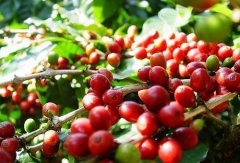
How are coffee beans classified according to the proportion of sieve and defective beans?
The classification of defective beans according to the proportion of sieve and defective beans is an important factor to destroy the flavor of the final coffee. Therefore, defective beans should also be removed in the last step of raw bean processing. Therefore, according to the proportion of defective beans, supplemented by the size of the screen is also used as a way of classification. Due to the rise of boutique coffee, coffee producing countries pay more and more attention to the quality of coffee, and the control of defective beans is the most important way.
2016-05-16 Screen defect proportion grading coffee bean how classification screen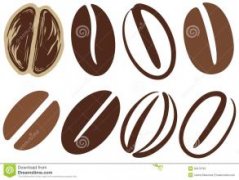
Reference index of coffee bean grading
(1) the size of coffee beans it is said that the size of beans does not affect the flavor of coffee, such as Mattari in Yemen. Although the particles of beans are large and small, they are still the top grade of coffee. However, in many producing areas, the size of coffee beans is indeed a valuable indicator. The regions where this classification method is generally used are Kenya, New Guinea and Poland.
2016-05-26 Coffee beans grading reference indicators coffee beans size people say beans no shadow
The relationship between Kenyan coffee and Arabica coffee beans
In Ethiopia, the grading and quality control system of coffee is divided into three levels: producer, regional and national. All coffee is inspected by local inspection agencies before leaving the country of origin, and then re-tested at the coffee inspection and grading centers in Addis and Diredawa to determine its quality grade. Coffee is graded before auction and sale, for all involved in production, acquisition,
2016-06-13 Ethiopia Yega Sheffield Coffee Kenya Rabbi Coffee beans relationship
Introduction to the Flavor characteristics of Ethiopian Yega Xuefei Coffee
In Ethiopia, the grading and quality control system of coffee is divided into three levels: producer, regional and national. All coffee is inspected by local inspection agencies before leaving the country of origin, and then re-tested at the coffee inspection and grading centers in Addis and Diredawa to determine its quality grade. Coffee is graded before auction and sale, for all involved in production, acquisition,
2016-06-15 Ethiopia Yega Chevy Coffee Flavor characteristics introduction