“coffee processing. Coffee harvest” search results (4000)
The processing method of high-quality coffee beans how to turn coffee fruits into coffee beans?
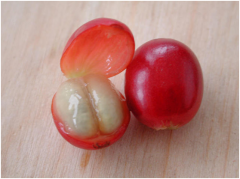
There are a pair of oval seeds in the center of the fruit of the coffee tree, which are covered with exocarp, endocarp and pulp. Ripe fruit will rot in a short period of time without treatment, so the purpose of refining is to enable coffee beans to be preserved for a long time, easy to store and circulate. Figure (1) Coffee fruit Coffee fresh fruit should be dealt with immediately after being harvested. Refining is to remove the peel and pulp of coffee fruit
2015-11-10 Boutique coffee beans treatment method coffee how
Introduction to the structure diagram and growth process of coffee bean structure roaster
The harvested coffee berries need further treatment, usually in two ways. One is water washing, which is popular in Central America and parts of Africa; freshly harvested coffee berries separate the peel from the beans manually or mechanically, and then soak in water for 2 to 3 days. In this way, the pulp and sticky matter attached to the coffee beans will be removed. Then there is the Qing Dynasty.
2016-10-18 Coffee beans raw beans structure roaster structure diagram growth process introduction harvest
Introduction to the structure diagram and growth process of coffee bean structure roaster
The harvested coffee berries need further treatment, usually in two ways. One is water washing, which is popular in Central America and parts of Africa; freshly harvested coffee berries separate the peel from the beans manually or mechanically, and then soak in water for 2 to 3 days. In this way, the pulp and sticky matter attached to the coffee beans will be removed. Then there is the Qing Dynasty.
2016-10-18 Coffee beans raw beans structure roaster structure diagram growth process introduction harvest
List several ways to treat fresh coffee fruits into raw coffee beans
The variety of coffee treated with raw beans certainly determines the natural flavor, but the treatment of raw beans determines the acquired quality. Selected coffee attaches great importance to flavor and quality, so it pays special attention to the technology and details of processing.
2014-09-01 Coffee knowledge coffee fresh fruit treatment coffee raw beans coffee encyclopedia
Production process of coffee beans in Rwanda
The biggest harvest season for Rwandan coffee is during the main rainy season, from March to the end of May. During the harvest season, farmers spend most of their day picking coffee fruits by hand. In the afternoon, farmers carry coffee fruits in traditional baskets made of banana leaves to a cleaning station a few hours away. The mechanic uses his hands to make the best quality coffee with crimson color.
2016-05-31 Rwanda coffee beans production process coffee maximum harvest season is
The production process of coffee in Rwanda
The biggest harvest season for Rwandan coffee is during the main rainy season, from March to the end of May. During the harvest season, farmers spend most of their day picking coffee fruits by hand. In the afternoon, farmers carry coffee fruits in traditional baskets made of banana leaves to a cleaning station a few hours away. The mechanic uses his hands to make the best quality coffee with crimson color.
2016-06-14 Rwanda coffee production process maximum harvest season is in
Elida Competition beans SOE Taiwan TBC (Taiwan baristas Competition) domestic C
1. A variety of fine coffee. It is better to use Arabica inherent variety Tibica or bourbon variety. two。 Is the altitude, topography, climate, soil and refinement of the cultivated land or farm clear? Generally speaking, the coffee with high altitude is of higher quality, and the fertile volcanic soil is the best. 3. The harvesting method and refining method are adopted. Generally speaking, manual harvesting method and washing essence are adopted.
2016-06-30 Lida Manor Elida Competition SOE Taiwan TBC Coffee
Panama Coffee Estate Flavor Taste Introduction Elida Estate Panama Coffee Bean Characteristics
Due to the relationship between temperature coffee ripening period is often more than a month, ripening eve once blowing hurricane, heavy rain and other irresistible factors come, knowing that will cause significant losses, but because the beans do not meet the manor harvest standards, in the quality of the insistence, refused to rush to harvest and lead to a sharp decline in harvest! The risks are actually much greater than other low-altitude estates. Elida Manor has three main
2016-07-22 Panama Coffee Manor Region Flavor Taste Introduction Ellie Coffee Bean Special
A brief introduction to Brazilian Coffee
Coffee varieties: both Arabica and Robusta are raw and manufactured, of which Arabica accounts for 70% to 80%. Among Arabica coffee varieties, there are Modo Novo, Catuai, Bourbon, Maragoripe and so on. Coffee harvest can usher in three or four harvest seasons in a year, and mechanical picking is extremely widespread. The path of picking is very different from that of other masterpieces. Mechanical picking
2015-09-08 Brazil Coffee profile Variety Rabbi Robbs Booth Yousheng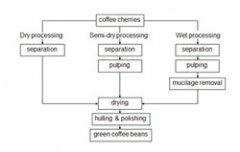
A brief introduction to the processing process of High-quality Coffee beans
There are three main methods for processing coffee: dry, semi-dry and non-dry. The purpose of processing is to peel the coffee beans, reduce the water content of the coffee beans to a level suitable for preservation, and then deal with the coffee beans according to the market demand. Recently, the harvest of coffee has been fully spread out in Yunnan. I think it's time to pick out some of the blog posts I've posted. This
2014-11-13 Coffee knowledge Kafudu common sense coffee bean processing
Geography and climate of coffee bean production process in Rwanda
Production process editors Coffee fruits the maximum harvest season for Rwandan coffee is during the main rainy season in the area, from March to the end of May. During the harvest season, farmers spend most of their day picking coffee fruits by hand. In the afternoon, farmers carry coffee fruits in traditional baskets made of banana leaves to a cleaning station a few hours away. The mechanic will do it by hand.
2016-05-31 Rwanda coffee beans production process geography climate editing coffee
There are three main ways to process coffee beans.
There are three main methods for processing coffee: dry, semi-dry and non-dry. The purpose of processing is to peel the coffee beans, reduce the water content of the coffee beans to a level suitable for preservation, and then deal with the coffee beans according to the market demand. Recently, the harvest of coffee has been fully spread out in Yunnan. I think it's time to pick out some of the blog posts I've posted. this
2014-08-30 Coffee knowledge coffee bean processing
Reduce the price of Aisha coffee to celebrate a bumper harvest
The official Sina Weibo and the official website at the same time issued a notice of price adjustment: from now on, the prices of roasted beans and Italian blended beans in the country of origin of Aiju coffee will be reduced to varying degrees, with a maximum price reduction of 22%. In addition, the original prices of other products such as Manaka, coffee gift boxes and coffee machines remain unchanged.
2014-07-14 Coffee news coffee harvest love coffee coffee industry
Two methods for processing fresh coffee beans: wet treatment and drying
Wet treatment requires the use of specific equipment and a large amount of water. When properly operated, it can ensure that the original quality of coffee beans is better preserved, producing homogeneous coffee beans with few bad beans. As a result, coffee beans produced in this way are generally considered to be of better quality and charge higher prices. Even after careful harvest, a certain amount of underdried and undercooked coffee
2015-03-20 Coffee fresh beans processing two methods detailed explanation drying treatment requirements
The treatment of raw coffee beans Coffee trees bear fruit several times a year
The spread of coffee beans originated in Ethiopia, about 850 in the Christian era. It then spread throughout the Arabian Peninsula, and coffee was not really documented until the 900th year of the Christian era. At that time, the Yemenis carefully guarded the coffee in order to prohibit the outflow of coffee. However, some coffee saplings are smuggled to the Netherlands and planted in greenhouses. Coffee was not available in America until 1723.
2016-07-11 Coffee raw beans processing process one year several times coffee beans spread originated from
Coffee production and Coffee Farm in Brazil
Coffee plantations in Brazil range from large farms mechanized on flat land to small farms harvested artificially in mountain areas. There are no shade trees for shade in Brazilian agricultural gardens.
2014-06-05 Brazilian coffee coffee farm
What kind of coffee can be honey treated?
Fresh coffee should be processed immediately after harvest. Refining is to remove the skin and pulp of coffee fruit, and then remove the seeds from the shell, which is what we often call raw coffee beans. After refining, the coffee beans are still green beans, and then they are roasted, which makes coffee beans of various flavors that we usually drink. 1. Coffee refining methods Coffee refining methods are mainly divided into three categories: dry
2016-05-24 what kind of coffee can be processed?
Two methods of wet treatment and dry treatment in the processing of fresh coffee beans
Wet treatment requires the use of specific equipment and a large amount of water. When properly operated, it can ensure that the original quality of coffee beans is better preserved, producing homogeneous coffee beans with few bad beans. As a result, coffee beans produced in this way are generally considered to be of better quality and charge higher prices. Even after careful harvest, a certain amount of underdried and undercooked coffee
2015-06-06 Coffee fresh beans processing two methods treatment requirements use specific
Classification and causes of defective beans in SCAA Coffee SCAA level: Italian mixed beans with secondary defects
CAA level: whole sour bean is a first-level defect; one whole sour bean = a complete defect name: local sour bean SCAA level: local sour bean is a secondary defect; less than half of a bean is sour bean, 3 beans = 1 complete defect cause: agriculture and treatment. Sour beans are caused by fermentation, and they are contaminated by microorganisms in many places in the process of harvest and treatment.
2016-07-14 SCAA Coffee defects Category cause Grade II Italian blending
Processing method of high-quality coffee beans coffee refining method
There are a pair of oval seeds in the center of the fruit of the coffee tree, which are covered with exocarp, endocarp and pulp. Ripe fruit will rot in a short period of time without treatment, so the purpose of refining is to enable coffee beans to be preserved for a long time, easy to store and circulate.
2014-08-19 Coffee knowledge boutique coffee beans coffee bean processing methods