“coffee fruit production” search results (10000)

A probe into the production process of Musk Coffee
Muscat Coffee-comes from an Indonesian animal called Luwak. LUWAK refers to an arboreal wild animal commonly known as the civet. Luwak likes to choose the most ripe, sweet, juicy coffee fruit in the coffee tree as food. While the coffee fruit passes through its digestive system, what is digested is only the outer pulp of the fruit, and the hard coffee beans are then Luwak.
2014-08-22 Coffee knowledge civet coffee coffee production process Kopi Luwak production process
Technical requirements for primary processing of coffee in Yunnan (Arabica species)
Technical requirements for primary processing of coffee in Yunnan (Arabica species)
2014-06-17 Coffee knowledge Yunnan coffee coffee technology Arabica
Guatemala & #12539; Vivette South Fruit region Ladisha Manor Coffee production area Flavor introduction
The Huitz Matig Manor in the South Fruit region of Vivette, Guatemala, won the first place in COE in 2005. At the time of harvest, half of it is still in harvest. The manor is located deep in the mountains and has no access to electricity. Therefore, the use of mountain springs, self-hydro power to refine coffee. The use of water flow for specific gravity separation, the use of hydraulic power will be with pulp, mucilage seeds to improve dry hair
2016-07-19 Guatemala amp #12539 Viv Tenan Fruit region Ratti
Life Journey of Coffee Tree
Coffee, as a perennial evergreen shrub or small tree of Rubiaceae, is a horticultural perennial cash crop. The life of a coffee tree is generally divided into these stages: (1) the seedling stage is the period from the germination of seeds (or cuttings or grafting) to the emergence of seedlings (the stage of raising seedlings in the nursery), about 0.5-1.5 years. After the coffee seed is sown, after a period of time
2016-08-16 Coffee life journey coffee as grasses perennials evergreens shrubs trees
Fine Coffee Science explains the nouns of coffee in detail.
[source] basic source of medicinal materials: seeds of small fruit coffee, medium fruit coffee and large fruit coffee of Rubiaceae. Latin plant animal mineral name: 1.CoffeaarabicaL.2.CoffeacanephoraPierreexFroehn.3.CoffealibericaBul1.exH1en harvesting and storage: the pericarp begins to turn red and can be harvested. The harvest time varies with the species, and the small seeds are collected from September to November and from September to October.
2014-10-16 Coffee knowledge boutique caffeine coffee coffee encyclopedia
Coffee knowledge production method of high-quality coffee
After harvest, peel, pulp, racing peel and silver peel should be removed before shipping and listing. There are two kinds of methods: drying (also known as natural or non-washing) and washing. The drying method is relatively simple. First of all, spread the freshly harvested fruit on the sun field for a week or two until the fruit crackles and dries naturally. After that, the dried pulp is removed by a sheller.
2015-03-04 Coffee knowledge boutique production method harvest fruit shipment listing removal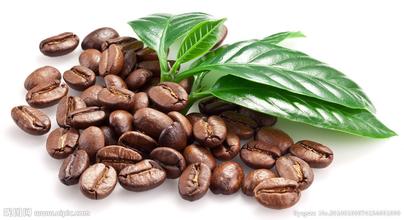
Coffee bean production methods coffee bean grade planning coffee bean species
Legend has it that Shek, the chief expelled by his people for crime, was deported from the mountains of Yemen in 1258. Omar, who was exiled to the remote city of Vasaba (in Arabia), when he was walking exhausted on the mountain, he found the birds on the branches making a very sweet cry after pecking at the fruit of the tree. So he boiled the fruit with water, only to send out a rich temptation.
2016-05-24 Coffee beans production methods grades plans types legends AD 1258
Variety characteristics of naturally fermented sun-cured Ethiopian coffee introduction to the flavor of fine coffee beans in the manor
Ethiopia has unique natural conditions suitable for growing all imaginable varieties of coffee. As a upland crop, Ethiopian coffee beans are mainly grown in areas between 1100 and 2300 meters above sea level, roughly distributed in southern Ethiopia. Deep soil, well drained soil, weakly acidic soil, laterite and soil are soft and contain
2016-09-01 Natural fermented solarization Ethiopia coffee variety characteristics taste manor
Taste characteristics of natural Ethiopian coffee fermented in the sun introduction to the flavor of fine coffee beans in the manor
Ethiopia has unique natural conditions suitable for growing all imaginable varieties of coffee. As a upland crop, Ethiopian coffee beans are mainly grown in areas between 1100 and 2300 meters above sea level, roughly distributed in southern Ethiopia. Deep soil, well drained soil, weakly acidic soil, laterite and soil are soft and contain
2016-09-03 Sun fermentation Natural Ethiopia Coffee Taste Variety characteristics Manor
Processing of coffee fruit
Coffee is the fruit of a Rubiaceae plant growing about 6000 feet above sea level, distributed on the world's narrow subtropical axis; coffee trees grow green all the year round and can grow up to 20 feet tall, and are generally controlled at 8 to 10 feet for easy harvest. It takes three to five years for the coffee tree to bear fruit. First of all, it produces small white flowers that resemble jasmine in shape and size, and then wither and bear deep fruit.
2014-08-08 Coffee knowledge coffee fruit processing coffee encyclopedia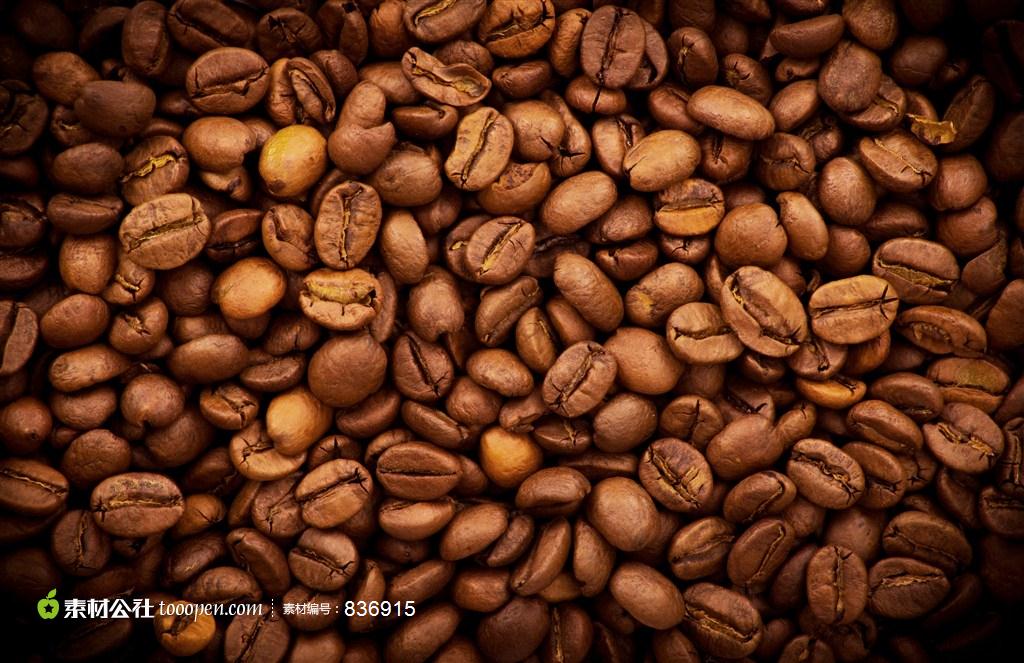
Introduction to the flavor of high-quality coffee beans in the manor characteristics of natural Ethiopian coffee fermented in the sun
Ethiopia has unique natural conditions suitable for growing all imaginable varieties of coffee. As a upland crop, Ethiopian coffee beans are mainly grown in areas between 1100 and 2300 meters above sea level, roughly distributed in southern Ethiopia. Deep soil, well drained soil, weakly acidic soil, laterite and soil are soft and contain
2016-09-05 Sun fermentation natural Ethiopia coffee taste variety manor characteristics
The economy of Costa Rica the international market share of Costa Rica's three major agricultural products has decreased.
According to a study by economists, Costa Rican bananas, fruit juices and fruit concentrates as well as coffee are losing international market share in competition with other countries in the past decade, Costa Rican newspaper National reported on December 1. According to the trade map of the World Trade Organization's International Trade Center, Costa Rican bananas accounted for 13% of world trade in 2005 and fell to 10% in 2014.
2016-04-12 Costa Rica economy big three major agricultural products international market share reduction
Panamanian Coffee Flavor with Fruit Flavor characteristics of Manor production area introduce Panamanian boutique coffee beans
In fact, Panamanian coffee has not received due recognition and attention in the boutique coffee market. Good Panamanian coffee has always been used by unscrupulous businessmen to imitate Hawaiian kona coffee and even Jamaican Blue Mountain coffee. Panamanian coffee generally belongs to the low and medium price, but its performance in the cup is often as good as that of any famous or even expensive famous coffee products.
2016-08-08 Fruit aroma Panama coffee flavor taste manor producing area characteristics introduction
Processing and characteristics of Coffee Fruit
Coffee is the fruit of a Rubiaceae plant growing about 6000 feet above sea level, distributed on the world's narrow subtropical axis.
2014-07-08 Coffee knowledge coffee bean processing coffee bean characteristics coffee encyclopedia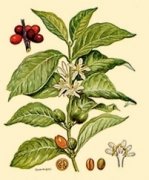
The basic concept of coffee beans
There are more than 60 species of coffee plants in the world, only 25 species are cultivated for coffee production, of which only 4 species are used as commercial coffee: Coffee liberica, Coffee canephora, Coffee arabica and Coffee deweverei, which are botanical scientific names. Coffee in the world today.
2014-11-12 coffee knowledge specialty coffee coffee base coffee beans
The production process of coffee beans
Coffee beans are not born like this. Let's briefly talk about the production process of coffee beans. First of all, there must be a coffee tree, and then there must be a coffee tree, and then the coffee tree will bear coffee fruit, and then the coffee tree will bear coffee fruit, and the picked coffee fruit will be treated by the sun or washing, peeling off the skin and flesh, and getting the coffee raw beans.
2016-05-24 Coffee beans production process coffee beans no life down that is this looks like
Boutique coffee beans: an introduction to the classified taste of the famous coffee beans in Central America
GuatemalaLaJoyaEstate-Antigua Gem Manor Coffee GuatemalaLaJoyaEstate Central American countries: Guatemala producing areas: Antigua flavor: Antigua Gem Manor, Antigua (Antigua) is a volcanic island located in the southwest of Guatemala, three volcanoes are located in which the island is rich in volcanic soil, coupled with low temperature, low humidity and adequate sun environment at night
2015-12-05 Coffee palate introduction Central America famous Classification Guatemala Antioch Gems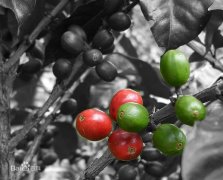
Understand Brazilian Coffee and enter Brazilian boutique Coffee products
It is unique that growers from each producing area will study and develop local processing techniques according to the characteristics of the local environment, and it is Dangdu's unique raw bean processing technology that makes coffee tastes different from one place to another. The treatment of raw beans is like the brewing process of beer, different methods will lead to different tastes of coffee. Most of us are right about ourselves.
2016-06-02 Understand Brazil coffee enter boutique single product unique each origin species
Understand Brazilian Coffee and enter Brazilian boutique Coffee products
It is unique that growers from each producing area will study and develop local processing techniques according to the characteristics of the local environment, and it is Dangdu's unique raw bean processing technology that makes coffee tastes different from one place to another. The treatment of raw beans is like the brewing process of beer, different methods will lead to different tastes of coffee. Most of us are right about ourselves.
2016-06-02 Understand Brazil coffee enter boutique single product unique each origin species
Coffee washing method Solarization and processing method Taste variety Production area introduction
Sunlight is also known as natural drying because it uses natural sunlight to dry coffee fruits and green beans. Due to the use of artificial and natural processing methods in the process, sun-dried beans look less neat in appearance and sell less well. 1. Bean selection: Put the harvested fruit into a tank filled with water, and the ripe fruit will sink, while the immature and overripe fruits will sink.
2016-10-19 coffee washing treatment solarization processing method taste variety region estate