“coffee fruit production” search results (10000)
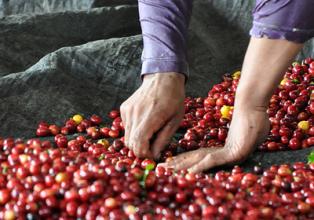
Taste clean and multi-layered boutique 90 + coffee varieties taste characteristics manor boutique coffee bean flavor
Juliet (Juliette H2): [Origin]: 90 + Panamanian Rosa Manor, [season]: 2013 to 2014 [Variety]: Rosa [Level]: 39 [altitude]: 1250m-1650m [treatment]: honey treatment [Flavor]: rich floral flavor on the basis of rose summer seed flavor, the entrance taste will have the taste of orange peel, caramel and dried cashew fruit.
2016-09-03 Taste clean multi-layered boutique 90mm coffee variety characteristics manor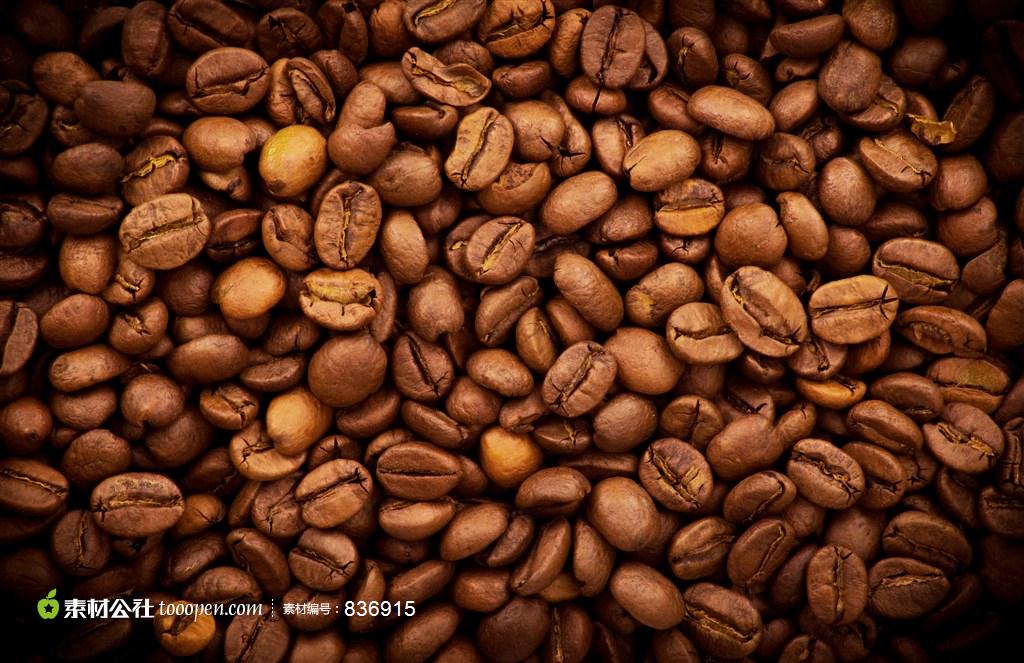
Multi-level taste rich and clean boutique 90 + coffee variety characteristics taste manor boutique coffee bean flavor
Juliet (Juliette H2): [Origin]: 90 + Panamanian Rosa Manor, [season]: 2013 to 2014 [Variety]: Rosa [Level]: 39 [altitude]: 1250m-1650m [treatment]: honey treatment [Flavor]: rich floral flavor on the basis of rose summer seed flavor, the entrance taste will have the taste of orange peel, caramel and dried cashew fruit.
2016-09-02 Hierarchy taste rich clean boutique 90 grams coffee varieties characteristics manor
A brief introduction to the production of Coffee beans
A coffee tree can harvest 3-5 kg of fruit, and raw coffee beans account for 1. 5% of the fruit quality. Going from fruit to raw coffee beans is really a time-consuming and laborious task. The production process of coffee beans Arabian coffee, robusta coffee and Libaria Arabian coffee account for about 2% of the world's coffee production. The plant is not suitable for high temperature, low temperature, more rain and less rain. Coffee beans are
2014-10-29 Coffee knowledge boutique coffee science coffee bean production
Fine coffee beans, small seeds, fresh coffee fruits.
1 scope this part defines the terms and definitions, fruit-picking requirements, grading, packaging, transportation and temporary storage of fresh fruits of small-grain coffee. This part is suitable for Pu'er small seed coffee. 2 normative citation documents the provisions of the following documents become the provisions of this part through the citation of this section. For all dated reference documents, all subsequent revision orders (excluding corrigendum
2014-10-08 Coffee knowledge coffee beans fine coffee beans small grains of coffee
Basic definition of Arabica coffee fresh fruit Rain concept Basic knowledge of coffee
1 Scope This part specifies the terms and definitions of Arabica coffee fresh fruit, fruit picking requirements, fresh fruit classification, packaging, transportation and temporary storage. This part applies to Pu 'er Arabica coffee. 2 Normative references The provisions of the following documents become the provisions of this part by reference to this part. All subsequent amendments (excluding corrigenda) to a dated reference
2015-10-14 Arabica coffee fresh fruit basic definition concept basics common sense scope part
Basic knowledge of boutique coffee small seed coffee fresh fruit
1 scope this part defines the terms and definitions, fruit-picking requirements, grading, packaging, transportation and temporary storage of fresh fruits of small-grain coffee. This part is suitable for Pu'er small seed coffee. 2 normative citation documents the provisions of the following documents become the provisions of this part through the citation of this section. For all dated reference documents, all subsequent revision orders (excluding corrigendum
2014-12-29 Boutique coffee basics common sense small grains fresh fruit scope part stipulated
Knowledge of origin of coffee beans production process of coffee beans
A coffee tree can harvest 3-5 kg of fruit, and raw coffee beans account for 1. 5% of the fruit quality. Going from fruit to raw coffee beans is really a time-consuming and laborious task. The production process of coffee beans Arabian coffee, robusta coffee and Libaria Arabian coffee account for about 2% of the world's coffee production. The plant is not suitable for high temperature, low temperature, more rain and less rain. Coffee beans are
2015-01-19 Coffee beans origin knowledge production process one coffee tree can harvest 3-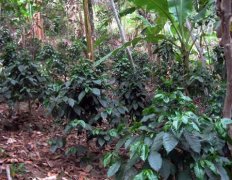
Production of coffee beans coffee output
Coffee trees take 3-5 years from planting to fruiting. 6-10 years of coffee trees are the most likely to bear fruit, about 15-20 years, is the harvest period. Coffee trees are usually bred in nurseries and grow into saplings, and then moved to coffee farms a year later, in full compliance with the way the Arabs planted and cultivated coffee trees. Coffee trees will continue to take root downward and upward in the first four or five years of their growth.
2014-09-25 Coffee bean production coffee output
Introduction to coffee production in Honduras, a high mountain country located in northern Central America
Honduras 'high-quality coffee uses water washing to treat coffee beans, usually after soaking, in the soaking time, defective fruit will surface, can be discarded first. The good fruit is then placed in a fruit peeler and peeled off by the rotating force of the machine. The peeled fruits are screened by machines to select excellent quality fruits. usually larger fruit
2016-06-29 Located in Central America North Honduras High Mountains Country Coffee Producing Area Introduction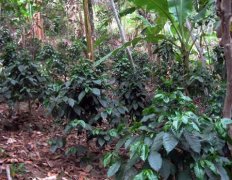
The production of high-quality coffee beans
Coffee trees take 3-5 years from planting to fruiting. 6-10 years of coffee trees are the most likely to bear fruit, about 15-20 years, is the harvest period. Coffee trees are usually bred in nurseries and grow into saplings, and then moved to coffee farms a year later, in full compliance with the way the Arabs planted and cultivated coffee trees. Coffee trees will continue to take root downward and upward in the first four or five years of their growth.
2014-09-30 Coffee knowledge boutique coffee science coffee bean production
The production of coffee basic knowledge and high-quality coffee beans
Coffee trees take 3-5 years from planting to fruiting. 6-10 years of coffee trees are the most likely to bear fruit, about 15-20 years, is the harvest period. Coffee trees are usually bred in nurseries and grow into saplings, and then moved to coffee farms a year later, in full compliance with the way the Arabs planted and cultivated coffee trees. Coffee trees will continue to take root downward and upward in the first four or five years of their growth.
2014-12-28 Coffee basics common sense boutique coffee beans production coffee planting results 3-
The general knowledge of fine coffee explains the production of coffee beans in detail.
Coffee trees take 3-5 years from planting to fruiting. 6-10 years of coffee trees are the most likely to bear fruit, about 15-20 years, is the harvest period. Coffee trees are usually bred in nurseries and grow into saplings, and then moved to coffee farms a year later, in full compliance with the way the Arabs planted and cultivated coffee trees. Coffee trees will continue to take root downward and upward in the first four or five years of their growth.
2014-11-12 Coffee knowledge coffee common sense coffee bean production
Basic knowledge of Fine Coffee the production process of coffee beans
A coffee tree can harvest 3-5 kg of fruit, and raw coffee beans account for 1. 5% of the fruit quality. Going from fruit to raw coffee beans is really a time-consuming and laborious task. Arabian, Robusta and Librian Arabian coffee account for about 2% of the world's coffee production. The plant is not suitable for high temperature, low temperature, more rain and less rain. Coffee beans are oval flat and have a high height.
2015-02-10 Boutique coffee basics common sense coffee beans production process one tree can
The production of coffee beans with basic knowledge of fine coffee
Coffee trees take 3-5 years from planting to fruiting. 6-10 years of coffee trees are the most likely to bear fruit, about 15-20 years, is the harvest period. Coffee trees are usually bred in nurseries and grow into saplings, and then moved to coffee farms a year later, in full compliance with the way the Arabs planted and cultivated coffee trees. Coffee trees will continue to take root downward and upward in the first four or five years of their growth.
2014-11-20 Coffee knowledge coffee knowledge coffee basics coffee bean production
Boutique coffee beans Guatemala coffee bean production area Vivetna fruit production area
Now that we are talking about the Vivette South Fruit producing area, we have to introduce the star manor El Injerto, whose name comes from the unique fruit name of the Vivette Nanguo region. There are quite a variety of coffee trees in the manor. Here, Bourbon, Pacamara, Marago Gippe and other varieties are planted. It has a history of COE competitions in Guatemala.
2016-06-15 Boutique coffee beans Guatemala producing areas Viv Tenan since speaking of
Basic knowledge of high-quality coffee beans the production process of coffee beans
A coffee tree can harvest 3-5 kg of fruit, and raw coffee beans account for 1. 5% of the fruit quality. Going from fruit to raw coffee beans is really a time-consuming and laborious task. Arabian, Robusta and Librian Arabian coffee account for about 2% of the world's coffee production. The plant is not suitable for high temperature, low temperature, more rain and less rain. Coffee beans are oval flat and have a high height.
2015-04-25 Boutique coffee beans basics common sense production process one coffee tree harvest
The production process of coffee in Rwanda
Production process editors Coffee fruits the maximum harvest season for Rwandan coffee is during the main rainy season in the area, from March to the end of May. During the harvest season, farmers spend most of their day picking coffee fruits by hand. In the afternoon, farmers carry coffee fruits in traditional baskets made of banana leaves to a cleaning station a few hours away. The mechanic will do it by hand.
2016-06-12 Rwanda coffee production process editing maximum
The ratio of brewing coffee to water in the production process of coffee trees
After the fruit is harvested from harvest to delivery, the skin and flesh must be removed. The endocarp and silver peel are removed to form coffee beans. There are two kinds of methods: drying (natural drying, non-washing) and washing. Dry type, the operation is relatively simple, the harvested fruit will be spread on the dry ground and basked in the sun for a week or two. The sound of rattling can be heard when it is turned, which means it is dry. Then peel off the shell.
2016-06-07 Coffee production process proportioning get delivery fruit harvest must be skin
Introduction of high-quality Honduran coffee beans treated by washing method San Juan likes to be productive
High-quality coffee in Honduras uses water washing to deal with coffee beans, usually after soaking, when the defective fruit will surface, it can be discarded first. Then put the good fruit into the fruit peeling machine and peel off the peel with the rotating force of the machine. Peeled fruits are screened by machines to select fruits of high quality. Usually the bigger the fruit.
2016-07-05 Washing processing high quality Honduras coffee beans introduction boutique San Hu Anxi
The production process of coffee beans in Rwanda
The maximum harvest season for Rwandan coffee is during the main rainy season, from March to the end of May. During the harvest season, farmers spend most of their day picking coffee fruits by hand. In the afternoon, farmers carry coffee fruits in traditional baskets made of banana leaves to a cleaning station a few hours away. Craftsmen use their hands to improve their quality.
2016-06-15 Rwanda coffee beans production process boutique coffee largest