“coffee bean processing after picking” search results (1000)

Rwanda Coffee Flavor introduction to Rwanda Coffee producing areas
The coffee fruit needs to be transported to the processing plant as soon as possible after picking, but due to the lack of domestic facilities, it is unable to deal with the fruit at the first time. The fruits are piled up after being picked, which will continue to develop and accelerate mildew and decay due to lack of ventilation. Rotten fruits will affect the quality of coffee and show defective flavor. In recent years, the production and processing of coffee in Rwanda are
2016-07-27 Luwang Daqi Mayer Manor Rwanda Coffee Flavor introduction producing area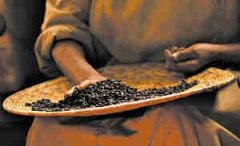
Coffee is made in this way, the production process of coffee beans.
The women picked out the coffee beans that were not fully roasted. The workers poured the coffee beans into the roaster and poured the roasted coffee beans into the plate to cool down. There is a place in Ethiopia called Kafa. Local residents have found that cattle and sheep become excited and powerful after eating a plant that grows small red beans. Later, people began to pick it and grow it consciously, using Kafa as food and drink.
2015-09-21 Coffee like this made coffee beans production process female workers pick out completely bake
Introduction to the method of describing the taste and flavor of coffee varieties with the characteristics of coffee grindability in Tian Chi Manor, Nicaragua
The suitable climate provides an excellent growth environment for the cultivation of coffee. The mineral-rich pozzolanic soil provides abundant nutrients for the cultivation of coffee trees. High-quality Nicaraguan coffee is also grown in the northern and central highlands of the country. The best coffee is produced in Matagalpa (Matagalpa), which is highly respected by coffee lovers all over the world.
2016-10-14 Nicaragua Divine Gift Manor Coffee Grinding characteristics Variety Taste Flavor description
The treatment of raw coffee beans basic knowledge of coffee
After the coffee fruit is picked, the coffee bean must be removed from the coffee fruit as soon as possible. There are generally several ways to deal with it: washing, that is, the coffee fruit is immediately picked when it turns red, the hard peel is removed by machine, the sticky berry is exposed, and then thrown into the pool to ferment. In about a day or two, the bacteria will eat most of the flesh attached to the seeds. The whole fermentation process needs to be monitored by the old master.
2016-05-26 Coffee raw beans processing methods basics coffee picking and then coffee beans
Summary of the conversion rate of cooked beans in the training and teaching of coffee roasters
Every coffee bean should be cherished. There is such a set of data: a coffee tree can pick 3-5 kilograms of coffee fruit a year. After complex processing, it can only get parchment coffee, which accounts for 5 pounds of coffee fruit. The processing plant with better drying rate can probably get more than 5 rough processed beans. The conversion rate from seed to ripe bean is about 5 kg fruit = 1 kg.
2015-09-02 Coffee roasting training teaching summary cooked beans conversion rate one coffee beans all
Introduction to the flavor and taste of Nicaraguan coffee manor
The suitable climate provides an excellent growth environment for the cultivation of coffee. The mineral-rich pozzolanic soil provides abundant nutrients for the cultivation of coffee trees. High-quality Nicaraguan coffee is also grown in the northern and central highlands of the country. The best coffee is produced in Matagalpa (Matagalpa), which is highly respected by coffee lovers all over the world.
2016-07-29 Nicaragua coffee manor producing area flavor taste introduction characteristics suitability gas
Boutique Coffee Elida Manor Hand-picked Coffee Cherry Milk Chocolate Citrus Light Roast
The rugged Baru is a young volcano, more than 3,400 meters above sea level. It is an active volcano surrounded by seven different micro-climate zones, brewing a rich and diverse ecological environment. Elida Estate straddles among them. The diverse micro-climate has advantages and disadvantages for coffee cultivation. For Elida, her flavor is stronger and more aromatic than most Panamanian coffee.
2016-07-06 Boutique Coffee Elida Manor Artisanal Cherry Milk Chocolate Citrus
Nicaraguan Coffee Happy Manor Flavor and Taste characteristics of Nicaraguan Coffee
Nicaragua is an economically backward agricultural country, is one of the poorest countries in Central America, the unemployment rate is very high, people live in poverty, and coffee is Nicaragua's pillar industry, producing nearly 100,000 tons of coffee beans every year. Due to the poor economic foundation, the coffee industry is still relatively backward, and coffee farmers are also in a relatively poor state. Although Nicaragua is a large part of Central America,
2016-08-05 Nicaragua Coffee Joy Manor producing area Flavor Taste characteristics introduction Nepal
Central America's poorest coffee-producing country (Nicaragua)-Matagalpa
Nicaragua is an economically backward agricultural country and one of the poorest countries in Central America. The unemployment rate is very high and the people live in poverty. Coffee is the pillar industry of Nicaragua, producing nearly 100,000 tons of coffee beans every year. Because of the poor economic base, the coffee industry is still relatively backward, and coffee farmers are also in a relatively poor state. Although Nicaragua is a Central American country with a large territory
2016-06-16 Central America poverty coffee producing countries Nicaragua Mataga Irpa producing areas Nigeria
Introduction to the flavor and taste of coffee manor in Nicaragua
Nicaragua is an economically backward agricultural country, is one of the poorest countries in Central America, the unemployment rate is very high, people live in poverty, and coffee is Nicaragua's pillar industry, producing nearly 100,000 tons of coffee beans every year. Due to the poor economic foundation, the coffee industry is still relatively backward, and coffee farmers are also in a relatively poor state. Although Nicaragua is a large part of Central America,
2016-08-09 Nicaragua Coffee Manor producing area Flavor Taste characteristics introduction Lemon Tree
Zero-distance contact of coffee
Finally, I have an opportunity to witness the formation of coffee. This is after visiting MONTENEGRO National Coffee Park in QUINDIO province of Colombia and a garden coffee farm in MANIZALES city of Caldas province (CALDAS). Coffee comes from Ethiopian curry. In Colombia, it was appointed by a priest from the French Antilles in 1808.
2014-09-26 Contact with coffee coffee beans boutique coffee coffee encyclopedia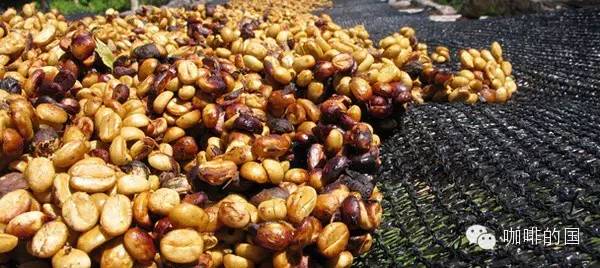
About the treatment of coffee beans after picking, I want to know the difference between washing and sun-drying and honey treatment in Ethiopia.
Tanning is a traditional method for the initial processing of coffee beans, and at present, almost all coffee-growing countries such as Ethiopia and Yemen still use solarization to treat raw beans. Sun treatment will first identify sunken beans in the sink, that is, ripe or half-ripe beans are spread in the drying farm for natural drying. The specific time depends on the local climatic conditions, which usually takes two to four weeks.
2016-04-25 About coffee beans picking after ideal understanding washing tanning treatment difference
Nicaragua Coffee Manor Lemon Tree Manor introduction to Nicaraguan Coffee producing areas
Nicaragua is an economically backward agricultural country, is one of the poorest countries in Central America, the unemployment rate is very high, people live in poverty, and coffee is Nicaragua's pillar industry, producing nearly 100,000 tons of coffee beans every year. Due to the poor economic foundation, the coffee industry is still relatively backward, and coffee farmers are also in a relatively poor state. Although Nicaragua is a large part of Central America,
2016-07-20 Nicaragua coffee manor lemon tree introduction producing area one classics
Rwandan coffee flavor introduction Rwandan coffee characteristics Rwandan coffee processing methods
With the improvement and upgrading of Rwandan coffee in all aspects, its quality has also made a qualitative leap. Rwanda's Anomeca Premium Washed Bourbon defeated Jamaica Blue Mountain No. 1 and Sumatra Mandning G1 Special to retain the title in the 2008 COE Competition organized by the American Boutique Coffee Association SCAA. Rwandan coffee has won a place in the coffee world with its excellent quality.
2016-07-27 Rwanda coffee flavor presentation characteristics treatment method with parties face
Introduction of Matagalpa, the best quality coffee producing area in Nicaragua
Matagalpa is the coffee producing area that produces the highest quality coffee in Nicaragua, and there is a lemon tree (El Limoncillo) in a heavyweight coffee estate worth introducing. The manor is located in the plateau of Matagalpa between 950m and 1300m above sea level, and there are towering coniferous forests around the coffee trees, providing shade for the growth of coffee trees. This allows coffee trees to get sunlight.
2016-06-29 Nicaragua premium coffee producing areas Mataga Erpa introduction
Introduction of Manor in Coffee producing area of Nicaragua introduction of Tianyi Manor in Matagalpa
Matagalpa is the coffee producing area that produces the highest quality coffee in Nicaragua, and there is a lemon tree (El Limoncillo) in a heavyweight coffee estate worth introducing. The manor is located in the plateau of Matagalpa between 950m and 1300m above sea level, and there are towering coniferous forests around the coffee trees, providing shade for the growth of coffee trees. This allows coffee trees to get sunlight.
2016-07-06 Nicaragua coffee producing area manor introduction boutique coffee beans Mataga Erpa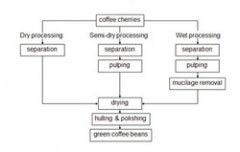
A brief introduction to the processing process of coffee beans
Recently, the harvest of coffee has been fully spread out in Yunnan. I think it's time to pick out some of the blog posts I've posted. I've been planning this for a long time. Almost a year ago, I posted a blog called "Harvest Rewards". It's about several ways to harvest coffee in this area. The coffee fruit should be peeled within 8 hours after picking, otherwise
2014-09-29 Coffee beans boutique coffee beans coffee encyclopedia
The treatment of raw coffee beans common sense of fine coffee beans
After the coffee fruit is picked, the coffee bean must be removed from the coffee fruit as soon as possible. There are generally several ways to deal with it: washing, that is, the coffee fruit is immediately picked when it turns red, the hard peel is removed by machine, the sticky berry is exposed, and then thrown into the pool to ferment. In about a day or two, the bacteria will eat most of the flesh attached to the seeds. The whole fermentation process needs to be monitored by the old master.
2015-01-23 Coffee raw beans processing methods boutique coffee beans common sense coffee picking and then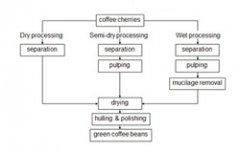
A brief introduction to the processing process of coffee beans the transformation process of a bean
Recently, the harvest of coffee has been fully spread out in Yunnan. I think it's time to pick out some of the blog posts I've posted. I've been planning this for a long time. Almost a year ago, I posted a blog called "Harvest Rewards". It's about several ways to harvest coffee in this area. The coffee fruit should be peeled within 8 hours after picking, otherwise
2015-09-14 Brief description coffee beans processing process one beans transformation recently coffee harvest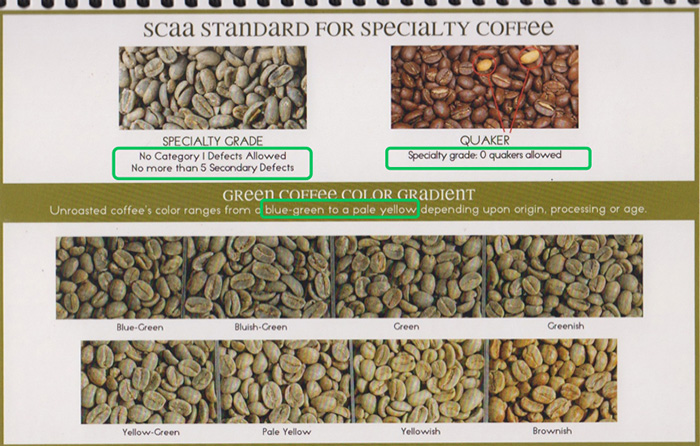
Boutique coffee beans: the standard of SCAA pecialty Coffee boutique coffee raw beans
The raw bean defects of SCAA can be divided into two types: I and II. The requirement for premium coffee grade (specialty coffee) is: 1. There are no class I defects; 2. No more than 5 II class defects 3. There can be no "quaker" (0 quaker) Quick beans in cooked coffee beans. 4. The color range of raw coffee beans is pale yellow (light yellow), yellow-green (
2015-12-08 Boutique coffee beans SCAA pecialty Coffee coffee