“chlorogenic” search results (610)

Can drinking coffee prevent cancer? Reveal the truth of the relationship between coffee and health
Core tip: nowadays, people generally recognize the health effects of coffee, but there are still many different opinions about coffee, which makes ordinary consumers feel at a loss as to what to do. Which of these health claims about coffee is true or false? Nippon Keizai Shimbun has written an article to uncover the health secrets of coffee. In the past, coffee was once thought to increase the risk of cancer
2015-09-11 Coffee cancer prevention disclosure health relationship true or false core hint now people
The bitter taste of coffee comes from the processing process.
In western countries, people drink a cup of coffee every morning. In order to protect the bitterness of the coffee, they often add some milk powder and sugar. But why is coffee bitter? A seemingly simple question has plagued scientists for decades.
2014-06-20 Coffee knowledge coffee processing coffee flavor
What ingredients are raw coffee beans made of?
In raw coffee beans, moisture accounts for 9% to 13%, and moisture has little effect on the aroma of coffee beans. Later, I will introduce the content of various ingredients (calculated according to the state of dried raw beans). When the share of these ingredients changes, the flavor of coffee beans will also change greatly. The most abundant ingredient in polysaccharide raw beans is polysaccharides, accounting for 35% and 4%.
2015-10-21 Coffee beans which are made of ingredients composition coffee raw beans moisture account for 13.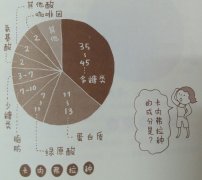
What ingredients are raw coffee beans made of?
What ingredients are raw coffee beans made of? In raw coffee beans, moisture accounts for 9% to 13%, and moisture has little effect on the aroma of coffee beans. Later, I will introduce the content of various ingredients (calculated according to the state of dried raw beans). When the share of these ingredients changes, the flavor of coffee beans will also change greatly. Content in polysaccharides raw beans
2015-10-21 Coffee beans are made of what are the ingredients the composition of coffee beans?
The composition of coffee beans
The ingredient of coffee beans Coffee is a complex mixture that is beneficial to human health. The chemical composition of coffee is determined by the interaction of agricultural, roasting, blending and manufacturing factors. The main ingredients of coffee have been known to humans for half a century. According to the content, the water-soluble components of coffee include: polyphenols (pulp) 8%, polysaccharides 6%, chlorogenic acid 4%, minerals 3%, water 2%,
2014-08-26 Coffee bean ingredients coffee encyclopedia
Coffee roasting coffee bitterness comes from the processing process
In western countries, people drink a cup of coffee every morning. In order to cover up the bitterness of the coffee, they often add some milk powder and sugar. But why is coffee bitter? A seemingly simple problem has been bothering scientists for decades. Now, scientists have narrowed down their research and targeted two chemical molecules. Chemistry in the United States
2014-09-28 Coffee roasting coffee bitterness coffee encyclopedia
Coffee beans roasting process Coffee bitterness comes from processing
In western countries, people drink a cup of coffee every morning. In order to cover up the bitterness of coffee, some milk powder and granulated sugar are often added. Why is coffee bitter? What seems like a simple question has puzzled scientists for decades. Now, scientists have narrowed their search to two chemical molecules. in the American Chemical
2015-10-13 coffee beans roasting process coffee bitterness from processing western countries people
Where does the bitterness in the coffee come from? Why is coffee bitter?
A cup of coffee is a complex drink made up of more than 30 chemicals that determine the taste, aroma and acidity of the coffee. Since the 1930s, scientists have isolated and identified a variety of chemicals related to the sensory composition of coffee, but no one can figure out what makes coffee so bitter. In order to solve this mystery, science has to cook.
2015-10-12 Coffee medium bitter from where why will be bitter a cup of coffee is made up of
Coffee common sense Coffee bitterness comes from the processing process
In western countries, people drink a cup of coffee every morning. In order to cover up the bitterness of the coffee, they often add some milk powder and sugar. But why is coffee bitter? A seemingly simple problem has been bothering scientists for decades. Now, scientists have narrowed down their research and targeted two chemical molecules. Chemistry in the United States
2014-09-16 Coffee knowledge coffee common sense coffee bitterness coffee processing
Coffee basic knowledge Coffee bitterness comes from the processing process
In western countries, people drink a cup of coffee every morning. In order to cover up the bitterness of the coffee, they often add some milk powder and sugar. But why is coffee bitter? A seemingly simple problem has been bothering scientists for decades. Now, scientists have narrowed down their research and targeted two chemical molecules. Chemistry in the United States
2014-12-10 Coffee basics common sense bitterness from processing process Western countries people every
Coffee Basics Common Sense Coffee Bitterness comes from the processing process
In western countries, people drink a cup of coffee every morning. In order to cover up the bitterness of coffee, some milk powder and granulated sugar are often added. Why is coffee bitter? What seems like a simple question has puzzled scientists for decades. Now, scientists have narrowed their search to two chemical molecules. in the American Chemical
2015-05-28 coffee basics common sense bitterness from processing process western countries people per
High-quality coffee common sense coffee bitterness comes from the processing process
In western countries, people drink a cup of coffee every morning. In order to cover up the bitterness of the coffee, they often add some milk powder and sugar. But why is coffee bitter? A seemingly simple problem has been bothering scientists for decades. Now, scientists have narrowed down their research and targeted two chemical molecules. Chemistry in the United States
2014-11-20 Coffee knowledge coffee common sense coffee bitterness
Why is coffee bitter? the bitterness of coffee comes from the processing process.
In western countries, people drink a cup of coffee every morning. In order to cover up the bitterness of the coffee, they often add some milk powder and sugar. But why is coffee bitter? A seemingly simple problem has been bothering scientists for decades. Now, scientists have narrowed down their research and targeted two chemical molecules. Chemistry in the United States
2014-09-29 Coffee knowledge coffee bitterness coffee encyclopedia coffee processing
The bitter taste of coffee comes from the roasting process of coffee beans.
In western countries, people drink a cup of coffee every morning. In order to cover up the bitterness of the coffee, they often add some milk powder and sugar. But why is coffee bitter? A seemingly simple problem has been bothering scientists for decades. Now, scientists have narrowed down their research and targeted two chemical molecules. Chemistry in the United States
2015-09-21 Coffee bitter from coffee beans roasting processing process Western countries people
High-quality coffee common sense coffee bitterness comes from the processing process
In western countries, people drink a cup of coffee every morning. In order to cover up the bitterness of the coffee, they often add some milk powder and sugar. But why is coffee bitter? A seemingly simple problem has been bothering scientists for decades. Now, scientists have narrowed down their research and targeted two chemical molecules. Chemistry in the United States
2015-06-08 Boutique coffee common sense bitterness from processing process western countries people every
Caffeic acid Caffeic acid is not equal to coffee
On June 24, 2013, People's Daily published an article revealing the PX project: its carcinogenicity is at the same level as coffee. According to international standards, PX is not a dangerous chemical and is a possible carcinogen like the coffee we drink. IARC's assessment of the risk of human cancer caused by chemicals is currently recognized as authoritative data. Interestingly, in its list of five carcinogens, the name of coffee appeared in 1991.
2016-06-24 Coffee Caffeic acid is not equal to 2013 June
The bitterness of coffee comes from the roasting of coffee beans during the processing.
In western countries, people drink a cup of coffee every morning. In order to cover up the bitterness of the coffee, they often add some milk powder and sugar. But why is coffee bitter? A seemingly simple problem has been bothering scientists for decades. Now, scientists have narrowed down their research and targeted two chemical molecules. Chemistry in the United States
2015-08-24 Coffee bitter from processing process coffee beans roasting Western countries people
Drinking coffee regularly can reduce the risk of diabetes.
Coffee is one of the most popular beverages in the world, and it is increasingly infiltrating into our lives. As early as 2009, the British BBC reported that for those who can't do without one or two cups of coffee in the morning, this is good news: drinking coffee and tea may reduce the risk of developing type 2 diabetes.
2014-05-28 Coffee news coffee knowledge coffee encyclopedia
Basic knowledge of fine coffee the bitterness of coffee comes from the processing process
In western countries, people drink a cup of coffee every morning. In order to cover up the bitterness of the coffee, they often add some milk powder and sugar. But why is coffee bitter? A seemingly simple problem has been bothering scientists for decades. Now, scientists have narrowed down their research and targeted two chemical molecules. Chemistry in the United States
2014-12-28 Boutique coffee basics common sense bitterness from processing process western countries people
Fine coffee learn why pure coffee is bitter.
Thomas Hoffman of the University of Science and Technology in Munich, Germany, and his colleagues broke up with the brewed coffee again. After operating mass spectrometer analysis, Hoffman dissected one of its molecules, chlorogenic acid lactone, which is the differentiation product of chlorogenic acid (found in almost all plants). Hoffman's team then equipped a series of divergent coffees and measured them separately.
2014-10-13 Coffee knowledge boutique coffee pure coffee