“century” search results (11053)

How much is a kilo of coffee beans? where can I buy coffee beans?
In a broad sense, there are two kinds of coffee beans in the world, Arabica beans and Robosta beans. The earliest Arab way to eat coffee was to chew the whole fruit (Coffee Cherry) to absorb its juice. Then they mixed the ground coffee beans with animal fat as a physical supplement for long trips, and it was not until about 1000 AD that the green coffee beans were used.
2016-04-30 Coffee beans less money one jin species where variety broad sense the world there are 2 kinds
Poetic prodigy Lambo Qiwen went to Egypt to do coffee business
Ethiopia is dominated by wild coffee forests. If you want to chew coffee fruit or drink coffee, you can pick it in the forest. Therefore, there is no coffee cultivation industry in ancient Ethiopia. Yemen had a large-scale coffee cultivation industry and coffee trade with Europe as early as the 15th and 16th centuries, and Ethiopia had no record of coffee trade until the 19th century. In 1838, Ethiopia passed through the Red Sea port.
2015-04-01 poetry prodigy lambo renunciation going to egypt coffee business ethiopia wild
Can coffee beans be eaten directly raw? how to eat coffee beans
Legend has it that around the tenth century AD, on the Ethiopian plateau of Africa, there was a shepherd named Karl. One day he suddenly looked excited and excited when he saw the goat. He thought it was strange, and then after careful observation, he found that the sheep were excited after eating some kind of red fruit. Carl tasted some curiously and found himself refreshed and excited after eating.
2016-05-25 Coffee beans yes directly eaten raw eaten methods legends AD 10th century before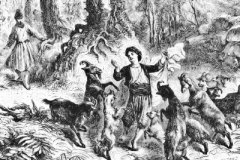
World & A brief introduction to the spread History of Coffee in China
Origin: coffee was first discovered in the kaffa region of southern Ethiopia in the 6th century AD. So far, there is no specific historical data about the origin of coffee, what has been handed down are several different legends, but it is more recognized that Cuddy, the shepherd, discovered the coffee. Legend has it that Kadi, a shepherd in Kafa province in southern Ethiopia, drives his sheep every day.
2014-09-11 Coffee culture coffee spread in China coffee spread in the world.
Coffee history and culture common sense where does coffee come from?
Around 900 AD, when a shepherd in the Cafa region of Ethiopia was grazing in the mountains, he found that the sheep were competing for a kind of red berry. After eating, the sheep were jubilant, and the shepherd was worried all night that his sheep had eaten some harmful food. Who knew the sheep were safe and sound the next day. This unexpected discovery prompted the shepherd to collect this wild fruit and boil juice to quench his thirst.
2015-06-17 Coffee history and culture common sense after all Li Lai AD 900 around Ethiopia
The smell of coffee in Paris, France in the 17th century
I've been going to many cafes in recent years, and I'm getting bored. I often daydream about the old cafes, the old beauties that can only be read in books but cannot be experienced in person. For example, when it comes to cafes in Paris today, people's first impression is the relaxed and enjoyable atmosphere of relaxed seats in the shade of trees or in the Arbor. But in the past, Parisians drank coffee, which was not like this at all. Straight
2014-05-21 Coffee aroma in Paris France
Which are the four famous coffee beans?
The editor of the four famous beans said that the origin of coffee plant can be traced back to millions of years ago, in fact, the real time when it was discovered can no longer be tested. According to legend, Coffee is a shepherd named Kaldi in the highlands of Ethiopia. When he discovered that his sheep had inadvertently eaten the fruit of a plant, he became very lively and full of vitality, and discovered coffee ever since. All
2016-05-31 Coffee beans Daming four kinds varieties daimes editors in other words coffee plants origin
The nutritional composition of Coffee the grade planning of coffee
First, the story of the shepherd legend around the tenth century AD, on the Ethiopian plateau of Africa, there was a shepherd Karl. One day he saw the goats suddenly looking very excited and excited. He thought it was strange, and then after careful observation, he found that the sheep were excited after eating some kind of red fruit. Carl tasted some curiously and found that he also felt after eating it.
2016-05-24 Coffee nutrition ingredients grades planning
The unique and mellow taste of Cedar Motad Manor Coffee is introduced.
Ethiopia is an ancient country with a history of 3000 years of civilization. The Hamite people who immigrated from the southern Arabian Peninsula were the earliest inhabitants. Monlinique I reigned in 975 BC. The Kingdom of Nubia was established in the 8th century BC. From the 1st century to 976 AD, the Ethiopian Empire, also known as the Kingdom of Aksum, was established in Aksum in the north. Christianity was introduced into Ethiopia in the 4th and 5th centuries.
2016-08-26 Taste unique thick Dharma Ted Manor Coffee Flavor characteristics boutique
Who invented coffee flavor wheel? the origin of coffee flavor wheel?
The Africans invented it! Coffee is native to Ethiopia. It was used as a beverage in North Africa and West Asia for hundreds of years before it was introduced into Europe in the 17th century. Coffee plantations have been set up in all hot and humid parts of the world, and coffee has become a popular drink. But it takes a lot of days to make a pot of delicious coffee. Coffee beans must be ground into fine powder. Preferably more.
2015-11-09 Coffee flavor invention origin African coffee produced in Ethiopia
A brief history of coffee imported from Ethiopia introduces fine coffee
The origin of this plant can be traced back to millions of years ago, in fact, the real age when it was discovered can no longer be tested. It is only said that coffee is a shepherd named Kaldi in the highlands of Ethiopia. When he discovered that his sheep had inadvertently eaten the fruit of a plant, he became very lively and full of vitality, and then he discovered coffee. All historians seem to
2016-05-23 Ethiopia introduction coffee brief history boutique in other words plants
Coffee beans the story of coffee beans the origin of coffee beans the story of the shepherd
Coffee beans in a broad sense, there are two kinds of coffee beans in the world, Arabica beans and Robosta beans. The earliest Arab way to eat coffee was to chew the whole fruit (CoffeeCherry) to absorb its juice. Then they mixed the ground coffee beans with animal fat as a physical supplement for long trips, and it was not until about 1000 AD that the green coffee beans were used.
2016-04-12 Coffee beans China coffee stories origin sheep herding human coffee beans in a broad sense the world
The god of poetry, Tong Lanbo, abandoned his articles and went to Egypt to do coffee business, coffee culture.
Ethiopia is mainly a wild coffee forest, want to chew coffee fruit or drink coffee, go into the forest to pick, so there was no coffee cultivation in ancient Ethiopia. Yemen had a large-scale coffee cultivation industry and coffee trade with Europe as early as the 15th and 16th centuries, and Ethiopia did not have a record of coffee trade until the 19th century. In 1838, Ethiopia passed through the port of the Red Sea
2015-02-11 Poetry child prodigy Rambo Jiwen going to Egypt coffee business coffee culture Ethiopia
Origin of Kenya Coffee Bean
Kenyan coffee arrived in Kenya in the 19th century, when Ethiopian coffee drinks were imported to Kenya via South Yemen. But it wasn't until the early 20th century that bourbon coffee trees were grown by St. Austin Mission introduced. Kenya coffee is mostly grown at altitudes of 1500- 2100 meters and harvested twice a year. to ensure that only
2016-06-15 Kenya coffee beans origins edit coffee 19th century into
Coffee history and culture where does coffee come from?
In the eleventh century, in 1000, coffee beans were boiled and drunk, and this method quickly spread throughout the Arab region and became a way of drinking at Islamic religious festivals. According to the literature records, the Arab philosopher Abisana made a detailed introduction and record of the medicinal blending method and clinical effect of coffee. In 1200, coffee was made by a Muslim who was exiled to Yemen for crime.
2016-05-24 Coffee history and culture origin freedom where the first century 1000 years began
The origin of instant coffee starts from a major event in history.
Around the 19th century, coffee gradually formed a coffee culture after its development and precipitation in Europe. Coffee culture was reborn in Europe, but it was sublimated and brilliant in the United States, so that coffee is now popular all over the world. The birth of instant coffee starts from a major event in history. At the beginning of the 18th century, coffee conquered the city and territory of London, England, and it was about to turn against the sky.
2015-10-21 Instant coffee origin but also in history a big event speaking of the 19th century
Is Blue Mountain Coffee Fine Coffee? what does Fine Coffee mean?
The origin of this plant can be traced back to millions of years ago, in fact, the real age when it was discovered can no longer be tested. It is only said that coffee is a shepherd named Kaldi in the highlands of Ethiopia. When he discovered that his sheep had inadvertently eaten the fruit of a plant, he became very lively and full of vitality, and then he discovered coffee. All historians seem to be
2016-05-25 Blue Mountain Coffee Fine goods what is it meaning in words coffee plants origin traceable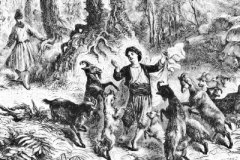
World & A brief introduction to the Development History of Coffee in China
Origin: coffee was first discovered in the kaffa region of southern Ethiopia in the 6th century AD. So far, there is no specific historical data about the origin of coffee, what has been handed down are several different legends, but it is more recognized that Cuddy, the shepherd, discovered the coffee. Legend has it that Kadi, a shepherd in Kafa province in southern Ethiopia, drives his sheep every day.
2014-09-02 Chinese Coffee Chinese Coffee History
Introduction to the origin and culture of coffee when was coffee discovered?
The origin of this plant can be traced back to millions of years ago, in fact, the real age when it was discovered can no longer be tested. It is only said that coffee is a shepherd named Kaldi in the highlands of Ethiopia. When he discovered that his sheep had inadvertently eaten the fruit of a plant, he became very lively and full of vitality, and then he discovered coffee. All historians seem to be
2016-08-06 Coffee beans species introduction coffee origin culture when by people discovered
The origin of Kenyan coffee beans
It entered Kenya in the 19th century, when Ethiopian coffee drinks were imported into Kenya through southern Yemen. But it was not until the early 20th century that the bourbon was introduced by the St. Austen Mission (St.AustinMission). Kenyan coffee is mostly grown at an altitude of 1500m, 2100m, and is harvested twice a year. To ensure that only ripe berries are picked, people must be in the forest
2016-06-03 Kenya coffee beans origin 19th century entered Kenya at that time Ethiopia