“but fruits” search results (20000)

About coffee trees, coffee flowers, coffee fruits
The coffee tree is an evergreen tree with small white flowers and green fruit that does not turn red until it is ripe. A normal coffee tree can usually grow to a height of 5 to 10 meters, but bean farmers often prune it to less than 2 meters for harvest convenience. After flowering, there are many dark green oval fruits, and the mature fruits change from dark green to bright red, due to the color and cherry.
2014-08-13 Coffee trees coffee flowers coffee fruits coffee encyclopedia
Kenya Coffee Flavor Kenya Coffee introduction Kenya Coffee appreciation
Aromatic, full-bodied, with fruit flavor, taste rich and perfect. Kenyan coffee has a wonderful fruit flavor, tastes like BlackBerry and grapefruit, and is a favorite of many coffee gluttons. This coffee has an excellent medium purity, crisp and refreshing taste. It has a fresh flavor and is most suitable for drinking iced coffee in summer. When tasting this coffee, if served with pomelo
2016-05-25 Kenya coffee flavor introduction appreciation aroma rich with fruit
Wonderful fruit-flavored coffee-Kenyan coffee
It entered Kenya in the 19th century, when Ethiopian coffee drinks were imported into Kenya through southern Yemen. But it was not until the early 20 th century that the Bourbon Coffee Tree was saint. The Austin Mission (St.AustinMission) was introduced. Kenyan coffee is mostly grown at 15002100 meters above sea level and is harvested twice a year. To ensure that only ripe berries are picked, people must patrol the forest
2014-08-07 Wonderful fruit flavor coffee Kenya 19th century entering at that time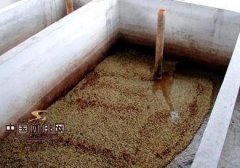
Treatment of Coffee Fruit by semi-washing
Not all producing areas can use the Brazilian half-sun method. If the producing area with heavy moisture is allowed to take out the pectin pods and expose them outdoors, it is not only not easy to be dehydrated and hard, but also easy to parasitize molds. Therefore, mechanical semi-washing has been developed in areas with heavy humidity, which saves both labor and water. First, move the red fruit and the half-green and half-red fruit into the pulp sieving machine to get the sticky fruit.
2015-11-04 Coffee half water washing treatment method not all producing areas can be used.
Explain the knowledge of coffee trees, picking and roasting of coffee beans
Coffee Tree Coffee Tree is an evergreen tree that can grow as high as a three-story building. However, generally planted coffee trees are trimmed to a height of less than two meters in order to facilitate harvesting. Coffee trees have white flowers, and the orchard has a faint jasmine fragrance when it blossoms. Like other fruit trees, coffee flowers turn dark green when they wither.
2015-11-05 Explanation coffee coffee beans picking roasting knowledge one evergreen green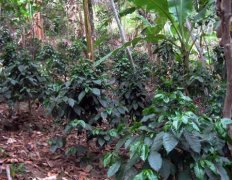
Coffee trees take 3-5 years from planting to fruiting.
Coffee trees take 3-5 years from planting to fruiting. 6-10 years of coffee trees are the most likely to bear fruit, about 15-20 years, is the harvest period. Coffee trees are usually bred in nurseries and grow into saplings, and then moved to coffee farms a year later, in full compliance with the way the Arabs planted and cultivated coffee trees. Coffee trees will continue to take root downward and upward in the first four or five years of their growth.
2015-09-15 Coffee planting fruit 3-5 years old coffee
Kenya Jinchu Coffee Flavor Manor with Fruit Flavor characteristics of boutique coffee beans
If you only know how to brew, but not how to taste coffee, the original delicacy may become tasteless. Some people taste coffee with the taste of the tongue, while others enjoy the aromatic mellow in the mouth. in addition, it depends on the condition of the body and the atmosphere around the coffee. In a word, tasting coffee is a very delicate thing. To
2016-08-12 With fruit flavor Kenya Jinchu coffee taste manor producing area characteristics
Main components of Yunnan small Coffee Fruit
Origin: in 1892, French missionary Father Tian succeeded in growing coffee in a place called Zhukula in Yunnan. Up to now, there are still 24 coffee trees which are more than 90 years old in Zhukula Township. Zhu Kula is a mysterious, legendary and beautiful natural village, which belongs to the Zhukula Village Committee of Pingchuan Town, Binchuan County, Dali Prefecture. It is located on the banks of Yupao River, a tributary of the Jinsha River. It is a Dali Prefecture and Chuxiong.
2015-09-24 Yunnan small grains coffee fruit main ingredients origin 1892 France
Strong fruit flavor of Yega Chefevoca Coffee Flavor description Variety treatment method Grinding degree
The grading system of Ethiopian coffee is not based on the number of items, but on the proportion of defective beans in raw beans. In October 2009, Ethiopia launched the ECX boutique coffee trading grading system. Through the evaluation of raw beans, Q-Grader made the following grades: washed Yega Xuefei is divided into two grades: Grade 1 and Grade 2, sun Yega Xuefei is divided into Grade 1,
2016-09-29 Strong fruit aroma Yega Sheffield Wauka coffee flavor description variety
Decrypt the wonderful fruit flavor of Kenyan coffee! What's the taste of fine raw beans and Kenyan coffee beans?
Kenyan coffee is mostly grown at an altitude of 1500m, 2100m, and is harvested twice a year. Its main feature is a distinct fruit aroma, the common fruit aroma is citrus. Kenyan coffee has a multi-layered taste and juice acidity, perfect grapefruit and wine flavor, moderate mellow, is the favorite of many people in the coffee industry. Kenya Coffee borrows Hollywood movies
2016-04-26 Decryption Kenya coffee wonderful fruit flavor boutique raw beans what taste
The practice of coffee beans _ how to cook coffee beans is delicious
Coffee beans when to eat the best coffee fruit is formed by the outer skin, pulp, endocarp, silver skin, and the seeds wrapped in the innermost layers (coffee beans), the seeds are located in the center of the fruit, and the parts outside the seeds are of little use. Generally speaking, there are two pairs of seeds in the fruit, but occasionally there is only one seed in the fruit, which is called fruit bean. And for
2016-05-24 Coffee beans practice how delicious coffee beans when the best coffee fruit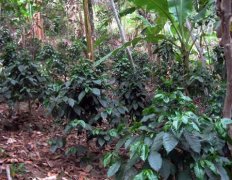
Production of coffee beans Coffee trees from planting to fruiting
Coffee trees take 3-5 years from planting to fruiting. 6-10 years of coffee trees are the most likely to bear fruit, about 15-20 years, is the harvest period. Coffee trees are usually bred in nurseries and grow into saplings, and then moved to coffee farms a year later, in full compliance with the way the Arabs planted and cultivated coffee trees. Coffee trees will continue to take root downward and upward in the first four or five years of their growth.
2015-06-04 Coffee beans production coffee planting fruit 3-5 year
Introduction to the taste of Honduran coffee
The granules of coffee beans in Honduras are large in shape, uniform in size and glossy in color. In order to facilitate harvesting, farmers will prune the coffee trees to no more than 150 centimeters, because if they grow too high, they have to set up ladders to pick, which is not only time-consuming, but also may damage the trees by bending branches. As the ripening period of each fruit of the coffee bean is different, it is necessary to keep the coffee bean in good condition.
2016-05-29 Honduras Coffee introduction Taste Type Coffee beans granules outside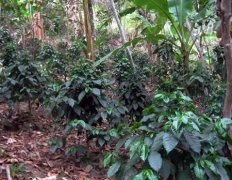
Production of coffee beans Coffee trees from planting to fruiting
Coffee trees take 3-5 years from planting to fruiting. 6-10 years of coffee trees are the most likely to bear fruit, about 15-20 years, is the harvest period. Coffee trees are usually bred in nurseries and grow into saplings, and then moved to coffee farms a year later, in full compliance with the way the Arabs planted and cultivated coffee trees. Coffee trees will continue to take root downward and upward in the first four or five years of their growth.
2015-10-13 Coffee beans production coffee planting fruit 3-5 year
Boutique Indonesian coffee bean wahana Hua Hanna honey fruit
Wahana Manor from Indonesia honey-treated coffee beans, referred to as Hua Hanna honey fruit. The so-called honey-treated coffee beans is actually a compromise without good coffee treatment. Hua Hanna honey fruit is impressive with a light and soft sour taste; it is an approachable coffee bean that is not as fishy as Indonesia's Mantenin coffee beans in the past. The so-called honey treatment is called Honey Proc
2014-06-28 Indonesian coffee beans Hua Hanna honey fruit boutique coffee beans
Differences in Coffee basic knowledge Coffee Fruit
In the process of training baristas, coffee noses are the same as those used in the training of wine referrals. In wine, we can feel more than 200 kinds of taste, while in coffee we can feel more than 1200 kinds of taste. Do you want to feel all of them? Drinking coffee as a lifelong career may be possible. Coffee and Portugal
2015-04-24 Coffee basics common sense fruits differences training coffee in the process will make use of
Soft fruit acid sun Yega Shifeiwaka Coffee Flavor description of the characteristics of roasting degree in the producing area
These mountain villages are foggy, like spring all year round, with a gentle breeze in summer, cool but not hot, rain but not damp, and no cold damage in winter, giving birth to a unique regional flavor of citrus and flowers. Coffee trees are mostly planted in farmers' backyards or mixed with other crops in their fields to talk about Ethiopia, so let's talk about the origin of coffee first. in about the sixth century, there was an Arab shepherd.
2016-09-26 Soft Fruit Acid Sun Yega Sheffield Waka Coffee Flavor description producing area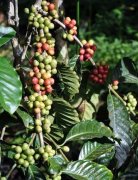
Illustration of the world-famous Kopi Luwak making process
Muscat coffee (Kopi Luwak), Kopi (Indonesian, coffee), Luwak refers to a kind of arboreal wild animal commonly known as civet in Indonesia. Civet coffee is the most expensive coffee in the world, with a price of several hundred US dollars per pound. It is extracted from the feces of the civet and processed. The civet eats the ripe coffee fruit and is excreted through the digestive system.
2015-06-11 World famous cat shit coffee production process illustration musk Kopi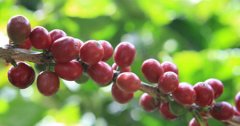
Kenya Coffee Kenya Coffee is a unique and wonderful coffee with fruit flavor
Kenyan coffee plantations: the fruity aroma of african times entered kenya in the 19th century, when ethiopian coffee drinks were imported to kenya via southern yemen. But it wasn't until the early 20th century that bourbon coffee trees were grown by St. Austin Mission introduced. Kenya coffee is mostly grown at an altitude of 1500 to 2100 meters and harvested twice a year. to ensure that only
2016-03-29 There is one unique wonderful fruit flavor boutique coffee Kenya
Mechanical semi-washing method of coffee beans treatment of coffee fruit
Not all producing areas can use the Brazilian half-sun method. If the producing area with heavy moisture is allowed to take out the pectin pods and expose them outdoors, it is not only not easy to be dehydrated and hard, but also easy to parasitize molds. Therefore, mechanical semi-washing has been developed in areas with heavy humidity, which saves both labor and water. First, move the red fruit and the half-green and half-red fruit into the pulp sieving machine to get the sticky fruit.
2015-03-27 Coffee beans mechanical water washing methods coffee treatment not all producing areas all