“agricultural cooperation” search results (500)

The development of Chinese coffee Dehong Hougu Coffee and its rise!
Dehong Hougu Coffee Co., Ltd. is a national key leading enterprise in agricultural industrialization. The company was established in December 2007 with a registered capital of 329 million yuan. By the end of 2014, the company had total assets of 4 billion yuan, sales income of 1.5 billion yuan and export earnings of 140 million US dollars. The existing staff of nearly 2000 people, under the Mangshi, Yingjiang, Kunming, Lincang, Longchuan, instant powder and other nine sub-companies. At present
2016-02-26 China Coffee after Xiongqi Dehong Co. Ltd. National Agriculture
Development of Coffee Industry in Simao District
Shenjiu flew into the sky and attracted worldwide attention. The three kinds of seeds of Simao pine, big-leaf tea and small-grain coffee carried in Pu'er city have entered into space, marking a new milestone in Pu'er coffee breeding. In the face of the central western development strategy and the historical opportunity of Yunnan Province to build a strong green economy province, there are a series of opportunities around Pu'er to build a national green economy experimental and demonstration zone and to build a coffee capital of China.
2014-04-27 Simao District Coffee Industrial Development situation Feitian attracting worldwide attention Pu'er City carrying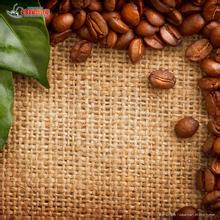
Introduction of Coffee Flavor description, Grinding degree characteristics and Taste varieties in Chilmel Manor, Rwanda
The provinces prior to 2006 are as follows: Butare, Byumba, Cyangugu, Gikongoro, Gisenyi, Gitarama, Kibungo, Kibuye, Kigali, Kigali Ru
2016-10-14 Luwang Dutch Mayer Manor Coffee Flavor description Grinding Features taste
Rwanda Coffee Flavor Rwanda Coffee producing area
Malaba Coffee (Rwandan: Ikawa ya Maraba, French: Caf de Maraba) is Fairtrade certified coffee grown in the Malaba area of southern Rwanda. Malaba's coffee crop is a bourbon of the Arabica species and is grown in fertile volcanic soil on high-altitude hills. The fruits of coffee trees are mainly picked manually during the rainy season from March to May.
2016-09-01 Rwanda coffee flavor specialty producing area
Ten questions on Rainforest Alliance Certification and Agricultural Sustainable Development
Rainforest Alliance Certification and Agricultural Sustainable Development Q 10: 1. Where can I buy rainforest certified products? The seal logo of Rainforest Alliance certification can be seen on the packaging of most brands and professional products, and retailers of certified products have covered Europe, the United States, Canada, Australia and Japan. Click to view the retailer list 2. How to obtain certification? If you are a
2016-04-26 Rainforest Alliance Certification Agriculture Sustainable Development
Introduction to the characteristics of boutique coffee in the manor area
Before January 1, 2006, the country was divided into 12
2016-08-26 Bright flavor performance Rwanda coffee taste manor producing area characteristics boutique
What is the rainforest certification of coffee beans? high-quality coffee beans and the Environmental Rainforest Alliance.
Rainforest Alliance Overview Rainforest Alliance (RA) was founded in 1987, headquartered in New York, USA. It is not only a non-profit international non-governmental environmental protection organization, but also the largest and most authoritative professional FSC certification organization recognized by FSC. Its mission is to protect global ecosystems and make a living by changing land use patterns, business and consumer behavior.
2016-04-26 Coffee beans rainforest certification what is it quality environmental protection alliance
Characteristics of Rwandan coffee beans Rwandan coffee tastes
Malaba Coffee (Rwandan: Ikawa ya Maraba, French: Caf de Maraba) is Fairtrade certified coffee grown in the Malaba area of southern Rwanda. Malaba's coffee crop is a bourbon of the Arabica species and is grown in fertile volcanic soil on high-altitude hills. The fruits of coffee trees are mainly picked manually during the rainy season from March to May.
2016-08-31 Rwanda coffee beans characteristics coffee taste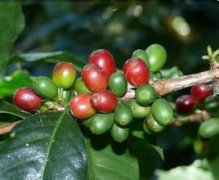
The road of Lincang coffee to take advantage of the best products has sprung up.
Lincang, which is located in the golden belt of coffee production in the world, its coffee industry is rapidly getting rid of the late start, and the latecomers are on the top. in 2013, the total coffee planting area in the city reached 554200 mu, ranking second in Yunnan Province.
2014-06-23 Coffee news Lincang coffee boutique coffee
Introduction to the characteristics of Rwanda coffee flavor and taste varieties in the producing area of high-quality coffee beans
The watershed between the Congo basin and the Nile basin runs through Rwanda from north to south, with about 80 per cent of the country draining from the Nile and about 20 per cent from the Ruzi River and Lake Tanganyika. The longest river in the country is the Niabalongo River (Nyabarongo River) in the southwest, which turns north, east and southeast and flows into the Luwuwu River to form the Kagaila River.
2016-09-22 Rwanda coffee flavor taste variety producing area characteristics boutique coffee beans medium
Introduction to the flavor and taste of Rwanda boutique coffee Malaba coffee
After the washed coffee beans are air-dried on the net rack, after washing the coffee beans many times to completely remove the remaining skin and sugary outer layer, the coffee beans are put into the sheltered rack to air-dry. Cooperative staff regularly flip coffee beans, while technicians continue to look for and pick out poor quality coffee beans. The two-week drying process takes place in the sun (preparing mulch in case of rain), but not
2016-08-29 Send out come out smell aroma Rwanda boutique coffee Malaba Rabbah wind
Introduction to the characteristics of Rwanda Coffee Flavor description and planting Environment of varieties in producing areas
The provinces prior to 2006 are as follows: Butare, Byumba, Cyangugu, Gikongoro, Gisenyi, Gitarama, Kibungo, Kibuye, Kigali, Kigali Ru
2016-10-15 Rwanda Coffee Flavor description treatment characteristics Variety producing area Price planting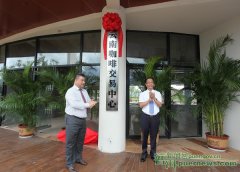
Yunnan Coffee Trading Center project was officially launched and settled in Pu'er.
On July 9, the Pu'er municipal government and Yunnan Jinyuan Flower Industry Co., Ltd. held a project signing ceremony and unveiling ceremony, marking the official launch of the Yunnan Coffee Trading Center project and the settlement of Pu'er.
2014-07-10 Coffee News Coffee Trade Center Pu'er Coffee Chinese Coffee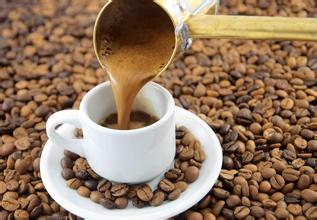
Boutique coffee Rwanda coffee origin Rwanda coffee practice
Rwandans have been growing coffee since colonial times, but until 1999, its products were still classified as below Class C and were not popular in the global market. The reason for the poor quality is that farmers do not have a fixed procedure for washing coffee beans and do not process coffee fruits according to specifications in time. Buyers buy coffee beans at $0.33 per kilogram, and farmers keep warm by the meagre profits earned at low prices.
2016-05-12 Boutique coffee Rwanda origin practice
Introduction to the characteristics of high-quality coffee beans with flavor and taste in Rwanda coffee producing areas
The provinces prior to 2006 are as follows: Butare, Byumba, Cyangugu, Gikongoro, Gisenyi, Gitarama, Kibungo, Kibuye, Kigali, Kigali Ru
2016-09-22 Rwanda coffee variety producing area flavor taste boutique coffee beans characteristics introduction
Rwanda Coffee Flavor Description Region Characteristics Roast Degree Boutique Coffee Bean Introduction
New administrative divisions were introduced on 1 January 2006. Rwanda is divided into four provinces (Rwandan: intara): Province de l'Est, Province du Nord, Province de l'Ouest, Province du Sud, Ville de Kigali and one municipality (Kigali), comprising 40 provinces.
2016-09-27 Rwanda Coffee Flavor Description Region Characteristics Roast Degree Fine
Boutique Coffee Rwanda Coffee Manor 1756 members small farmers
Rwandans have been growing coffee since colonial times, but until 1999, its products were still classified as below Class C and were not popular in the global market. The reason for the poor quality is that farmers do not have a fixed procedure for washing coffee beans and do not process coffee fruits according to specifications in time. Buyers buy coffee beans at $0.33 per kilogram, and farmers keep warm by the meagre profits earned at low prices.
2016-05-12 Boutique coffee Rwanda manor 1756 members small farmers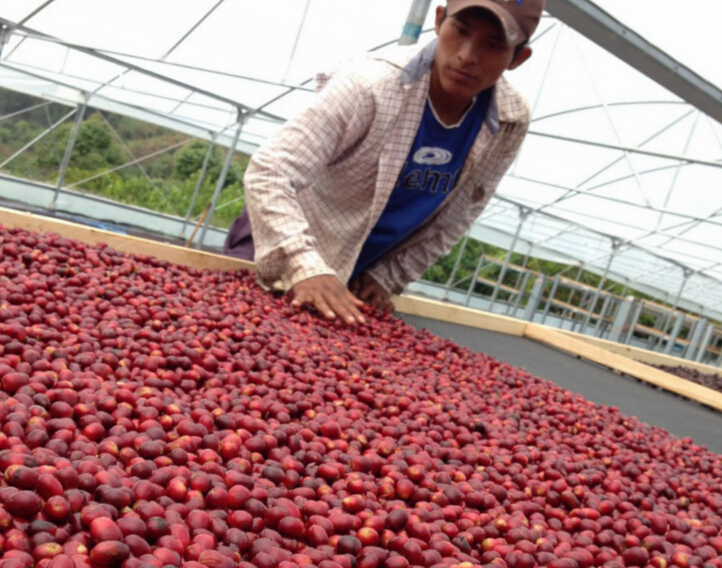
Coffee Bean Selection Tutorial Coffee Bean Brand Type Guide YJSF YCFCU Dama Cooperative G2
As people's exposure to coffee deepens, ordinary tasting can no longer meet people's needs. As a result, more and more coffee lovers will buy their own beans home, starting with grinding, step by step to blend their favorite coffee flavor. Coffee beans are big.
2016-04-19 Coffee Bean Shop Tutorial Brand Type Guide Yega Sherry YCFCU
Fine coffee Rwanda Coffee introduces the characteristics of Rwanda Coffee
Rwandans have been growing coffee since colonial times, but until 1999, its products were still classified as below Class C and were not popular in the global market. The reason for the poor quality is that farmers do not have a fixed procedure for washing coffee beans and do not process coffee fruits according to specifications in time. Buyers buy coffee beans at $0.33 per kilogram, and farmers keep warm by the meagre profits earned at low prices.
2016-05-12 Boutique coffee Rwanda introduction characteristics
Boutique coffee Rwanda coffee flavor red apple, cherry, cinnamon, honey
Rwandans have been growing coffee since colonial times, but until 1999, its products were still classified as below Class C and were not popular in the global market. The reason for the poor quality is that farmers do not have a fixed procedure for washing coffee beans and do not process coffee fruits according to specifications in time. Buyers buy coffee beans at $0.33 per kilogram, and farmers keep warm by the meagre profits earned at low prices.
2016-05-12 Boutique coffee Rwanda flavor red apple cherry cinnamon honey