“after processing” search results (10000)
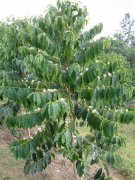
Real picture of the process from coffee tree to harvest
The coffee tree is more than 3 meters tall. Coffee flowers white flowers, beautiful like magnolia, but life is short, it will wither after 3 days! After the coffee beans are in full bloom, the coffee beans turn from green to red and when the fruit is bright red and ripe, you can begin to pick and harvest the fruit, remove the skin, soak it in water for 12 to 16 hours, and then wash it. Remove the peel of coffee beans
2014-07-09 Coffee tree coffee tree harvest coffee planting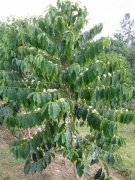
Real picture of the process from coffee tree to harvest
The coffee tree is more than 3 meters tall. Coffee flowers white flowers, beautiful like magnolia, but life is short, it will wither after 3 days! After the coffee beans are in full bloom, the coffee beans turn from green to red and when the fruit is bright red and ripe, you can begin to pick and harvest the fruit, remove the skin, soak it in water for 12 to 16 hours, and then wash it. Remove the peel of coffee beans
2014-07-09 Coffee tree coffee tree harvest coffee planting
The technique of brewing coffee creates extraordinarily good coffee
Before coffee becomes a drink, it has to go through many processes, such as planting, processing, baking, making and so on. To make an extraordinarily good cup of coffee, you need at least two indispensable prerequisites: one is to use high-quality coffee raw beans, and the other is to keep roasted beans fresh. According to botanical classification, coffee belongs to Rubiaceae, Coffea, Arabica species,
2014-10-16 Coffee knowledge coffee brewing techniques coffee encyclopedia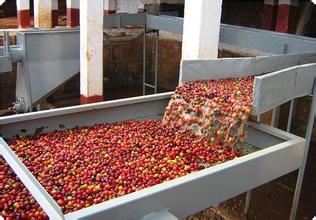
Treatment of raw coffee beans: introduction to the operation method and purpose of washing method
Washing method: 1, select beans: put the harvested fruit in a water tank and soak for about 24 hours. At this time, ripe fruit will sink, while immature and overripe fruit will float up and can be removed. 2. Remove the pulp: use a machine to remove the skin and pulp, leaving only the coffee beans wrapped in the endocarp. At this time, there is a layer of mucous membrane on the outside of the beans, and the process of washing is
2015-12-08 Coffee raw beans treatment washing operation method introduction
The method of coffee processing
Within 8 hours after picking, the coffee fruit should be peeled, otherwise negative fermentation will occur, thus affecting the quality of coffee beans. There are three main methods of processing coffee: drying method, semi-dry treatment method and non-dry treatment method. The last method of treatment is adopted in Yunnan. The purpose of the treatment is to peel the coffee beans and reduce the water content of the coffee beans to an appropriate level.
2014-08-05 Coffee processing method picking after 8 hours to coffee carry out peel
Techniques for processing Coffee fruits
Within 8 hours after picking, the coffee fruit should be peeled, otherwise negative fermentation will occur, thus affecting the quality of coffee beans. There are three main methods of processing coffee: drying method, semi-dry treatment method and non-dry treatment method. The last method of treatment is adopted in Yunnan. The purpose of the treatment is to peel the coffee beans and reduce the water content of the coffee beans to an appropriate level.
2015-01-28 Coffee processing techniques methods picking after 8 hours to coffee carry on
What is the harm of drinking instant coffee?
Instant coffee is produced by drying after extracting active ingredients from roasted coffee beans. In this process, some aromatic substances will inevitably be lost, so that the flavor and taste of the finished product is not as rich and pure as that of directly roasted coffee. The production process is generally as follows: pretreatment, roasting, grinding, extraction, concentration and drying, in which the pretreatment is to remove impurities, and the coffee bean contains substances in this process.
2016-06-05 Drinking speed coffee aspect noodle harm instant is from stir-fried grinding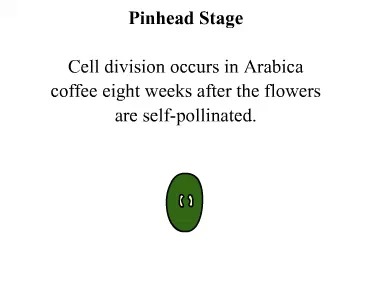
Detailed analysis of the specific changes in the ripening process of coffee beans by diagrams of the growth and ripening process of coffee beans
It takes about 8-9 months (32-36 weeks) for coffee to blossom to ripen. Today, Chongqing Beresta Coffee training School is here to share with friends the whole process of coffee bean growth and ripening. [tiny stage] (the first 8 weeks) Arabica coffee begins to divide eight weeks after flowering and fertilization. [site grabbing stage] (8-12 weeks) vesicle cavity (with ovary)
2016-01-12 Coffee beans growth ripening process diagram detail analysis concrete change coffee
Common sense of coffee processing and identification of coffee beans
Drying is a method of preparing coffee beans for the roasting process. It is the cheapest, simplest and most traditional processing method of coffee beans. When processing, the harvested fruit should be spread on the cement floor, brick floor or straw mat. Ideally, the fruits should be raked flat in the sun and at regular intervals to prevent fermentation. About four weeks later, each fruit
2014-11-10 Coffee knowledge coffee common sense coffee beans processing identification
How to choose coffee packaging/type and influencing factors
After roasting, the coffee is ready to use. It is important to pack well as soon as possible in order to avoid loss of aroma and to maintain freshness. After contact with air, moisture and oxygen in the air accelerate the oxidation process and deteriorate the coffee quality. Factors affecting packaging Packaging is an important and careful process that protects coffee from the following factors: 1. Environment: Contact with air, coffee will change
2016-07-20 how choice coffee packaging type influence factor
The basic knowledge of coffee processing methods
Within 8 hours after picking, coffee cherries should be peeled, otherwise negative fermentation will occur, thus affecting the quality of coffee beans. There are three main ways to process coffee: drying, semi-drying and non-drying. Yunnan is using the last treatment method. The purpose of the treatment is to peel the coffee beans and reduce the moisture content of the coffee beans to a suitable level.
2014-12-16 boutique coffee basics common sense processing methods picking after 8 hours to be on
Coffee processing methods Fine Coffee basis
Within 8 hours after picking, the coffee fruit should be peeled, otherwise negative fermentation will occur, thus affecting the quality of coffee beans. There are three main methods of processing coffee: drying method, semi-dry treatment method and non-dry treatment method. The last method of treatment is adopted in Yunnan. The purpose of the treatment is to peel the coffee beans and reduce the water content of the coffee beans to an appropriate level.
2015-05-11 Coffee processing method boutique basic picking after 8 hours yes coffee
The harm of instant coffee
The first is essence: it starts with the production process of instant coffee. Instant coffee is produced by drying after extracting active ingredients from roasted coffee beans. In this process, some aromatic substances will inevitably be lost, so that the flavor and taste of the finished product is not as rich and pure as that of directly roasted coffee. The production process is generally as follows: pretreatment, roasting, grinding, extraction, concentration and drying, in which the pretreatment is
2014-08-27 Coffee knowledge the harm of instant coffee
Roasting degree of coffee beans Coffee roasting technology Italian coffee machine extraction leakage
A series of chemical changes occur during the baking process. After about 5-25 minutes of baking (depending on the temperature selected), the green coffee beans lose some humidity and turn yellow. In this process, the coffee beans will swell, changing from a strong, high-density raw bean to a low-density fluffy state. After this process, the size of the coffee beans will about double, starting
2016-06-08 Coffee beans roasting degree coffee technology Italian coffee machine extraction leakage
The roasting process of coffee is divided into three stages.
Coffee roasted Coffee Roasting coffee is popular mainly because of the aroma formed after roasting and the taste when drinking. The coffee raw bean itself does not have any special taste, it is roasted to completely change and reorganize the substances inside the raw bean to form a new structure, thus bringing out the mellow flavor of the coffee. Baking tool roaster, divided into three categories: direct fire type, semi-hot air
2015-10-13 Coffee roasting detailed explanation process divided into three stages.
The process of the growth of coffee trees the process of roasting the fruits of coffee trees
The coffee tree is an evergreen tree with small white flowers and green flowers that turn red when it is mature. A normal coffee tree can usually grow to 5 to 10 meters high, but for the convenience of harvesting, bean farmers often prune it to less than 2 meters. After flowering, there are many dark green ellipses, and the mature ones change from dark green to bright red.
2015-11-05 Coffee tree growing process fruit roasting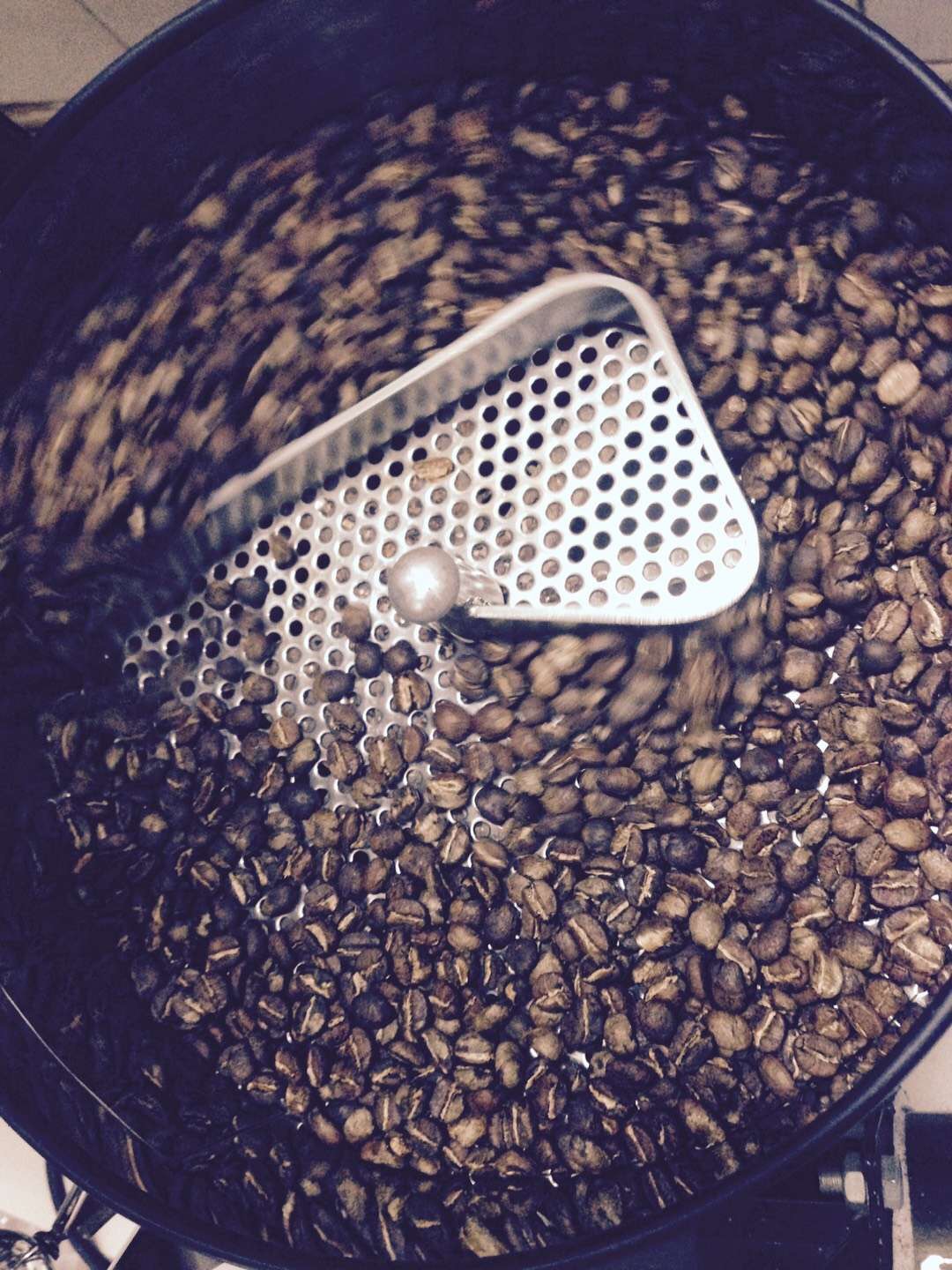
Utensils for roasting coffee beans and the roasting process of coffee beans
Coffee roasted Coffee Roasting coffee is popular mainly because of the aroma formed after roasting and the taste when drinking. The coffee raw bean itself does not have any special taste, it is roasted to completely change and reorganize the substances inside the raw bean to form a new structure, thus bringing out the mellow flavor of the coffee. Baking tool roaster, divided into three types: direct fire type, semi-hot air straight
2015-11-24 Baking coffee beans utensils process
Factors affecting the quality of coffee beans in terms of harvest, processing, treatment and storage
The annual winter, that is, the dry season is the harvest time for coffee beans. After three to four years of growth, the coffee trees gradually mature and begin to bear fruit. The fruits are arranged in strings or clumps next to the branches. The coffee beans are wrapped in a red coat and can be picked as soon as they turn red. Most Arabica coffee beans mature in June and August, while Robasta coffee beans mature in September and October, so although
2015-11-03 Coffee beans harvesting processing storage impact quality factors
Kopi Luwak-production mode and production process
There are many ways to produce Kopi Luwak: one is to pick up coffee beans discharged by civets after eating coffee beans in a natural coffee garden; a kind of artificially fed coffee beans. In the production process of Kopi Luwak in Yunnan, China, some farmers adopt the method of semi-captivity, the civet moves freely in the greenhouse, and the coffee beans are eaten freely by it. The mode of production is quite reasonable, but the yield is low.
2016-06-06 Cat shit coffee mode of production production process mode cat shit production variety
Coffee beans Coffee characteristics Coffee origin Coffee processing methods Processing methods
Legend has it that around the tenth century AD, on the Ethiopian plateau in Africa, there was a shepherd Carl, who one day saw goats suddenly excited and excited. He thought it was strange, and after careful observation, he found that these sheep were excited by eating some kind of red fruit. Carl tasted some curiously and realized that he too felt
2016-05-25 coffee beans coffee characteristics origin processing way method shepherd human story