“ZONE” search results (1621)

Introduction to the characteristics of Yunnan Coffee Manor Coffee
Construction of Yunnan Coffee Trading Center to enhance the ability of the coffee industry to resist market risks the Yunnan Coffee Trading Center project was launched in Pu'er in April 2014, was listed on July 9, and officially registered and established Yunnan Coffee Trading Center Co., Ltd. on October 11. In January this year, Yunnan Coffee Trading Center successfully held the third Coffee Raw Bean Competition and the first Chinese boutique coffee auction, marking the
2016-06-16 Yunnan coffee manor producing area characteristics introduction impression construction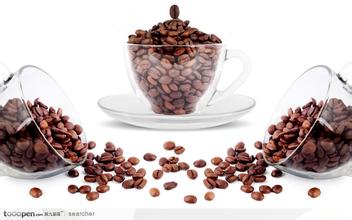
Geo-climatic production process of coffee in Rwanda
Malaba Coffee grows in southern Rwanda, about 12 kilometers (7 miles) from the city of Butare and 150 kilometers (93 miles) from the capital, Gejali. The plan began in the Malaba area of Butare province, but was taken over by a local government organization in 2006, which is now part of the Huye district of the southern province. Due to its proximity to the East African Rift Valley and the Neuenway Forest Mountains, this area has many topography.
2016-05-29 Rwanda coffee geography climate production process Malaba Raba better than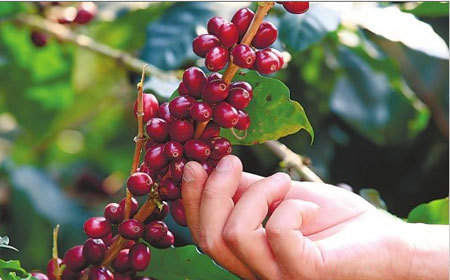
Simao coffee beans in Yunnan coffee producing area of China have moderate acidity and taste characteristics.
Flavor and taste characteristics: moderate acidity, uniform taste. Simao in Yunnan Province, China, located in the upper reaches of the Lancang River, is famous for its steep terrain and is one of the famous producing areas of Pu'er tea in China. At the same time, it is also the largest area of coffee planting in China. Its planting area is about 150000 mu and the output of coffee can reach 22500 tons. The coffee produced in Simao is of high quality, even in the country.
2016-01-11 China Yunnan coffee producing areas Simao coffee beans with acidity medium flavor
Malaba Coffee from Coffee producing areas in Southern Rwanda
Grows in southern Rwanda, about 12 km (7 miles) from the city of Butare and 150 km (93 miles) from the capital, Gejali. The plan began in the Malaba area of Butare province, but was taken over by a local government organization in 2006, which is now part of the Huye district of the southern province. Due to its proximity to the East African Rift Valley and the Neuenway Forest Mountains, the terrain is sloping and steep.
2016-06-18 Rwanda South Coffee producing areas species Malaba Rabbah longer than
Yunnan small granule coffee
Due to the unique geographical environment and climatic conditions, Yunnan coffee has formed a unique flavor of strong but not bitter, fragrant but not strong, with a little fruit flavor. World-class coffee experts evaluate it as the best coffee in the world, and its cultivation techniques. The yield per unit area is also world-class.
2014-08-08 Coffee knowledge Yunnan small granule coffee coffee encyclopedia
Classification of coffee trees
In recent years, coffee producing countries no longer blindly pursue high output while neglecting quality. Many countries have begun to introduce a new coffee evaluation system in order to arouse the enthusiasm of producers and promote the production of fine coffee. For example, Brazil began to implement the Cup of excellence coffee rating system in 1999 in order to better subdivide boutique coffee. And boutique coffee has become
2016-05-23 Coffee classification in recent years coffee producing countries no longer blindly pursuit high output
History, geography and climate of coffee in Rwanda
Rwandans have been growing coffee since colonial times, but until 1999, its products were still classified as below Class C and were not popular in the global market. The reason for the poor quality is that farmers do not have a fixed procedure for washing coffee beans and do not process coffee fruits according to specifications in time. Buyers buy coffee beans at $0.33 per kilogram, and farmers keep warm by the meagre profits earned at low prices.
2016-05-31 Rwanda Coffee History Geography Climate people colonization Times
Flavor and taste characteristics of Indonesian coffee introduction to Arabica Coffee Manor in Manor producing area
Arabica coffee beans grow in tropical colder high-altitude areas, and the hot and humid zone that is not suitable for Arabica coffee is where robusta coffee grows. Robusta has a unique aroma (called Rob smell, which some people think is musty) and bitter, accounting for only 2% of mixed coffee. 3% of mixed coffee, the whole cup of coffee becomes Robusta flavor. Its flavor
2016-07-15 Indonesia coffee flavor taste characteristics manor producing area introduction rabbi
The VIP seat of the coffee shop
I used to be the owner of a coffee shop on the eastern side of Taipei, and then I was fired. In order to develop new products, I once went halfway to Colombia to pick up raw beans in the mountains frequented by guerrillas, and flew to the Yokohama industrial zone in Japan to find a prototype machine for a suitable coffee grinder. I even spent all my time in order to grind a unique cup of coffee.
2014-06-28 Coffee shop VIP seat coffee grinder
Common sense of Italian Coffee Ole Coffee tasting
To be exact, Cafe au lait is the French version of latte, which is translated into Ole Coffee in Chinese. This is a slippery cup of French milk coffee, half of the coffee is filled with half hot milk, and the thick aroma instantly stretches out the simple warmth. This kind of coffee is suitable for the light coffee tried for the first time, which is mixed with French style, and the tension immediately comes back to life. Au lait is in French.
2014-10-16 Coffee knowledge espresso Ole coffee coffee tasting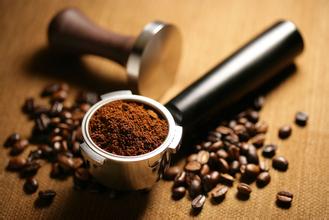
Introduction of coffee countries in the world: an introduction to the development history and characteristics of coffee in different regions of different countries
Coffee production belt: the coffee belt (coffee production zone) ranges from 25 degrees north latitude to 30 degrees south latitude, including many countries in Central, West Africa, the Middle East and South Asia, the Pacific, Latin America and the Caribbean. The reason why coffee cultivation is concentrated in this area is due to the limitation of temperature. Coffee trees are very vulnerable to frost and are not suitable for north or south latitudes.
2015-12-23 World coffee country introduction different region history of development characteristics
A refreshing drink, coffee.
Coffee culture for me means: atmosphere matching environment, standard coffee, appropriate mood. I like the idea of a third space proposed by a coffee shop. Coffee shop should be a place different from home and work environment, a buffer zone in life, where people can relax and adjust their whole body, whether it is daze, work or friends.
2015-04-01 refreshing drink --- coffee
Geography and climate of coffee production process in Rwanda
The sink technician in the process will clean the coffee immediately because the delay will ferment the sugary outer layer of the coffee beans, ruining the taste of the coffee. The coffee beans are first thrown into a deep trough, and the best quality coffee fruit goes into the bottom and passes through a machine that peels off its skin. The mechanic takes out the floating coffee fruit, processes it in the same way and allows the cooperative to compare it in the domestic market.
2016-05-29 Rwanda coffee production process geography climate processing medium sink union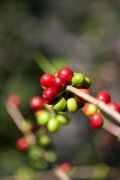
Kenya, a big coffee-free country located in East Africa, is a model of the coffee industry.
Kenya (Kenya) aroma 4 minutes brightness 4.5 minutes mellow 3.5 minutes flavor 4.5 points aftertaste 5 points suitable for roasting: City/Full City city roasting can show the best sense of balance of Kenyan coffee, as far as possible not to enter the dense second burst zone, otherwise the charming berry aroma and fruit acid will disappear, it is important to note that Kenya will roast more colors than other coffee beans
2016-05-10 Located in East Africa Kenya Coffee Great Power Model Xiang
What natural conditions do coffee trees need to grow?
The planting conditions of coffee trees the origin of coffee trees is in Ethiopia, Africa. In botany, coffee trees belong to the evergreen trees of the subgenus Rubiaceae, and coffee beans, commonly known as coffee beans, are the seeds of the fruit of coffee trees, just because they are shaped like beans, so they are called coffee beans. Climate is the decisive factor for coffee cultivation, and coffee trees are only suitable for growing in the tropics or subtropics.
2016-06-12 Coffee planting need what natural conditions coffee conditions origin
What weather conditions are required for planting coffee trees
The planting conditions of coffee trees the origin of coffee trees is in Ethiopia, Africa. In botany, coffee trees belong to the evergreen trees of the subgenus Rubiaceae, and coffee beans, commonly known as coffee beans, are the seeds of the fruit of coffee trees, just because they are shaped like beans, so they are called coffee beans. Climate is the decisive factor for coffee cultivation, and coffee trees are only suitable for growing in the tropics or subtropics.
2016-06-13 Planting coffee need have what weather conditions planting
Fine Coffee-Yunnan small Coffee
Yunnan is the main coffee bean producing area in China. Yunnan is located in the subtropical mountain climate zone south of the Tropic of Cancer, with unique plateau red soil, fertile and loose soil and mild climate, which is especially suitable for growing small-grain coffee. Yunnan coffee was first introduced by French missionaries in 1902. Up to now, there are still 24 coffee trees with more than 90 years old in Zhukula Township, Binchuan County. Rui Lijing, 1914
2014-09-13 Fine coffee Yunnan small grain coffee
Coffee beans Coffee varieties Yunnan Arabica coffee
Yunnan is China's main coffee producing area. Yunnan is located in the subtropical mountain climate zone south of the Tropic of Cancer, with unique plateau red soil, fertile loose soil, mild climate, especially suitable for planting small coffee species. Yunnan coffee was first introduced by French missionaries in 1902. Up to now, 24 coffee trees with more than 90 years old still grow in Zhukula Township, Binchuan County. 1914 Ruili Jing
2015-01-04 boutique coffee beans coffee type yunnan small china essential
Introduction of Coffee Manor in Malaba, Rwanda
In early 2003, UCR distributed Malaba coffee through the Sainsburys supermarket in Sainsbury and sold it in its 350 stores until Red nose Day that year. In 2003, Abauzam Gump made a net profit of US $35000. Of this, 70% is allocated to farmers at a price of US $0.75 per kilogram.
2016-07-05 Rwanda Malaba Rabbah Coffee Manor producing area introduction Western Province Texi
Southern part of Malaba Coffee production area, a coffee variety from Rwanda
Malaba Coffee grows in southern Rwanda, about 12 kilometers (7 miles) from the city of Butare and 150 kilometers (93 miles) from the capital, Gejali. The plan began in the Malaba area of Butare province, but was taken over by a local government organization in 2006, which is now part of the Huye district of the southern province. Due to its proximity to the East African Rift Valley and the Neuenway Forest Mountains, the terrain
2016-06-16 Rwanda Coffee Variety Malaba Rabbah production area South Rabah