“Wood Fruit” search results (400)

China Coffee Network recommends the taste of roasted coffee coffee smell, taste and taste of coffee
The taste of coffee generally includes three aspects: smell, taste and taste. There are 18 kinds of odors: animal, ash, coke, chemicals, chocolate, caramel, roasted sweet potato, earth, flowers, fruit, grass and vegetables, almonds, sour rot, rubber, spicy, tobacco, wine, wood. The most basic tastes are: sour and bitter
2016-03-30 China coffee recommendation baking taste smell
Yemeni coffee varieties with unique flavor and complete grain shape introduce the flavor of fine coffee beans in Manor.
Yemeni coffee originated from Arabian coffee trees hundreds of years ago, all produced in areas above 3000 feet above sea level. For hundreds of years, the unique planting and production methods of Yemeni coffee have remained almost unchanged. The seedlings of Yemeni coffee trees are first cultivated in nurseries and then transplanted to high elevations. Pesticides and fertilizers are not used in the breeding process. Mature coffee beans are naturally dried on coffee trees and shelled by stone grinding.
2016-09-01 Flavor unique grain shape complete Yemen coffee variety characteristics taste manor
Introduction to the Flavor description characteristics of Fine 90 + Honey Kiss Coffee
Honey Kiss 90 + Coffee in 2009, this coffee was named after Nectar from Shakisso, meaning it has the same flavor as nectar from Ethiopia. Nekisse is characterized by a creamy and smooth taste, a strong berry sauce, and some batches even have a mixture of chamomile and a variety of tropical fruits. Although it was originally planted in Shakisso producing areas,
2016-10-21 Boutique 90mm Honey Kiss Coffee Flavor description characteristics Variety Taste treatment
Unique flavor, complete grain shape, taste characteristics of Yemeni coffee varieties, introduction to the flavor of fine coffee beans in the manor.
Yemeni coffee originated from Arabian coffee trees hundreds of years ago, all produced in areas above 3000 feet above sea level. For hundreds of years, the unique planting and production methods of Yemeni coffee have remained almost unchanged. The seedlings of Yemeni coffee trees are first cultivated in nurseries and then transplanted to high elevations. Pesticides and fertilizers are not used in the breeding process. Mature coffee beans are naturally dried on coffee trees and shelled by stone grinding.
2016-09-03 Flavor unique grain shape integrity Yemen coffee variety taste characteristics manor
Introduction to the characteristics of Yemeni Coffee Flavor Manor production area
There are many varieties of Yemeni coffee, most of which are named after their origin and type, with different flavors, such as fresh wood, tobacco, musk, fruit wine, roasted nuts, cocoa and warm seasonings, especially Moha coffee. At present, Yemeni Moha coffee is the most famous Yemeni Moha coffee on the market, such as Isemary, Matari, Sanani and so on. Sanani coffee has medium grain size and fruit wine style.
2016-08-04 Flavor different Yemen coffee taste manor producing area characteristics introduction boutique
Taste characteristics of Yemeni coffee varieties with unique flavor and complete grain shape introduction to the flavor of fine coffee beans in the manor
Yemeni coffee originated from Arabian coffee trees hundreds of years ago, all produced in areas above 3000 feet above sea level. For hundreds of years, the unique planting and production methods of Yemeni coffee have remained almost unchanged. The seedlings of Yemeni coffee trees are first cultivated in nurseries and then transplanted to high elevations. Pesticides and fertilizers are not used in the breeding process. Mature coffee beans are naturally dried on coffee trees and shelled by stone grinding.
2016-09-03 Flavor unique grain shape integrity Yemen coffee variety taste characteristics manor
Introduction to the taste of coffee beans
Hawaiian Kona Coffee Bean Origin: Hawaii is perfect in shape, full-bodied, full-bodied, well-balanced acidity and cinnamon. Perhaps the most beautiful coffee bean in the world. Kona coffee beans from Hawaii have the perfect appearance, and their fruit is extremely full and shiny. The taste of coffee is rich and aromatic, with cinnamon flavor, and the acidity is well balanced.
2016-05-31 Coffee beans taste introduction Hawaii Cona coffee beans origin appearance perfect
Introduction to the taste of coffee beans
Origin: Hawaii is perfect in appearance, full-bodied, full-bodied, well-balanced acidity and cinnamon. Perhaps the most beautiful coffee bean in the world. Kona coffee beans from Hawaii have the perfect appearance, and their fruit is extremely full and shiny. The taste of coffee is rich and aromatic, with cinnamon flavor, and the acidity is well balanced. Brazilian coffee bean producing area:
2016-06-04 Coffee beans taste introduction origin Hawaii shape perfect full glossy strong
Introduction to the Fine Coffee in Manor production area
Panama is rich in forest resources and has many tree species, including valuable wood such as mahogany, cedar, teak, mahogany, and cedar. The forest area of eastern Dalian Province is the most widely distributed, but it has not been fully developed due to lack of market and for reasons such as national defense and protection of the natural ecological environment. [5] according to FAO estimates in 2010, the forest area of Panama is 4.29 million hectares, accounting for the land area.
2016-09-22 Jasmine fragrant qualitative Rosa Coffee Flavor Taste Manor producing area Fine goods
What do different kinds of coffee beans have in common?
Origin: Hawaii is perfect in appearance, full-bodied, full-bodied, well-balanced acidity and cinnamon. Perhaps the most beautiful coffee bean in the world. Kona coffee beans from Hawaii have the perfect appearance, and their fruit is extremely full and shiny. The taste of coffee is rich and aromatic, with cinnamon flavor, and the acidity is well balanced. Brazilian coffee bean producing area:
2016-05-25 Coffee beans different kinds all have what the same point origin Hawaii shape
Coffee origin and relative flavor
South America Brazil: long the world's largest coffee producer, Brazil mainly produces Arabica beans, but also some robusta beans. Good tanned Brazilian coffee usually has a full taste, reminiscent of chocolate, dried fruit, dates, hazelnuts, or almonds. Brazilian coffee, washed or peeled and sunburned, is usually more elegant and tastes like almond candy and dried fruit.
2014-09-13 Coffee origin coffee flavor coffee knowledge coffee encyclopedia
A slightly sweet and floral Ecuadorian coffee estate with a taste of flavor and taste characteristics
Western coastal areas: including coastal plains and foothills, east high west low, generally below 200 meters above sea level, there are some hills and low mountains 600~700 meters above sea level. Tropical rain forest climate, the southernmost start to transition to a savanna climate. The annual average precipitation decreases from more than 3000 mm to about 500 mm from north to south. The Andes range from Colombia to Ecuador.
2016-08-12 Taste Slightly sweet Aromatic Ecuadorian Coffee Manor Region Flavor Mouth
The types of coffee beans, taste and flavor production areas introduce how many kinds of coffee beans there are.
Colombia-Columbia (highest quality): the second largest producer in the world. Coffee beans are light green, large granules, with heavy flavor, whether single drink or mixed are very suitable. Characteristics: incense-strong, sweet-medium, acid-medium, alcohol-strong, bitter-weak. Carbon roasted coffee, also known as bitter coffee, means that the fire source of roasted coffee is carbon fire, and sometimes special wood is used.
2016-07-14 Coffee beans type taste flavor producing area introduction how much practice
Flavor and taste characteristics of Nicaraguan coffee beans introduction to manor producing areas of variety treatment method
A city of southwest Nicaragua and the capital of Massaya province. Located at the eastern foot of Masaya Volcano, 25 kilometers northwest from Managua. The population is 43000 (1980). The industrial and commercial center of the surrounding agricultural area (which mainly produces tobacco). Famous for producing Indian handicrafts (embroidery, palm hats, etc.). There are tobacco, shoes, soap, leather and other industries. Railway, road and air transportation are convenient.
2016-10-17 Nicaragua coffee beans flavor taste characteristics varieties treatments manors producing areas
Introduction to the planting environment of taste and flavor of coffee varieties with the characteristics of coffee grindness in Joy Manor, Nicaragua
A city in southwestern Nicaragua and the capital of Karaso province. Located in the Diliamba Highlands, 760 meters above sea level. The population is 18000 (1980). Founded in 1883. Distribution and processing center of agricultural and animal husbandry products. There are limestone, salt mines and other mining industries nearby. Railways and roads lead to the port city of Managua in southeastern Nicaragua and the capital of the province of Zelaya. It is located at the mouth of the Escondido River in Bloomfield Bay. Human beings
2016-10-15 Nicaragua Joy Manor Coffee Grinding characteristics Variety taste Flavor species
6 Creative Cafes in the World
Many people think that drinking coffee is a thing full of petty bourgeoisie, and coffee shops are also one of the first choices for couples to date. The cafes we usually see are basically the same except for the different decoration styles, but there are 6 novel cafes in the world. As a coffee control, you will definitely want to go: 1. Molecule Water Caf
2014-07-30 world creative cafe quite a few people think coffee one full petty bourgeoisie
A big country of fine coffee in southern Central America-- an introduction to the origin of fine coffee in Costa Rica and Central America
Guide to Caxiang: I haven't told you about the country where coffee is produced for a long time. Let's take a look at the coffee cultivation in Costa Rica today. The editor has something to say: Costa Rica first entered the editor's eyes when he did not know which year's World Cup, Costa Rica played against China, and then. China lost. Costa Rican coffee cultivation was introduced from Cuba in 1779 and only in 1820.
2016-03-19 Central America South boutique Coffee Big country Costa Rica Origin introduction Curry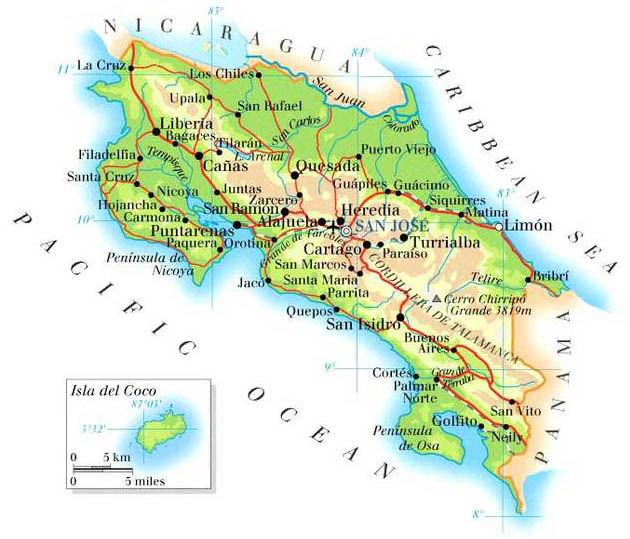
A big country of fine coffee in the south of Central America-- an introduction to the origin of Central American coffee in Costa Rica.
Guide to Caxiang: I haven't told you about the country where coffee is produced for a long time. Let's take a look at the coffee cultivation in Costa Rica today. The editor has something to say: Costa Rica first entered the editor's eyes when he did not know which year's World Cup, Costa Rica played against China, and then. China lost. Costa Rican coffee cultivation was introduced from Cuba in 1779 and only in 1820.
2016-01-25 Central America South boutique Coffee Big country Costa Rica Origin introduction Curry
High-quality coffee study coffee technology cup test method
1 scope this part defines the operation methods and result evaluation of coffee cups. This part is suitable for coffee quality identification. 2 normative citation documents the provisions of the following documents become the provisions of this part through the citation of this section. All subsequent correction orders (excluding corrigendum) or revisions of all dated reference documents do not apply to this section, however, drum
2014-10-08 Boutique coffee technology cup test method scope part regulation coffee cup fuck
Introduction of Indonesian Mantenin Coffee Bean with fragrant Woody flavour
In the 17th century, the Dutch first introduced Arabica saplings to Ceylon (present-day Sri Lanka) and Indonesia. In 1877, a large-scale disaster hit the Indonesian islands, coffee rust destroyed almost all the coffee trees, people had to give up Arabica, which had been in operation for many years, and introduced the disease-resistant Robusta coffee tree from Africa. And Sue
2016-07-05 Wood aroma taste Neiman Tenin coffee beans introduction Rusu Nava Hana