“Vitnan fruit coffee beans” search results (81500)

Detailed explanation of two methods in the processing of Coffee fresh beans
Wet treatment requires the use of specific equipment and a large amount of water. When properly operated, it can ensure that the original quality of coffee beans is better preserved, producing homogeneous coffee beans with few bad beans. As a result, coffee beans produced in this way are generally considered to be of better quality and charge higher prices. Even after careful harvest, a certain amount of underdried and undercooked coffee
2014-11-14 Coffee knowledge coffee common sense coffee bean processing
Cultivation techniques of small Coffee in Yunnan Province: harvesting and processing
Timely harvest is an important link to ensure high yield and improve product quality of coffee. The harvest time of small seed coffee is more concentrated, when the fruit turns red, it can be harvested. It should be picked along with ripening. After completely turning red, the fruit is easy to fall off. (9) Wet processing is generally adopted in processing. (1) washing fruit. Wash away the soil or sundries that stick to the fruit. (2) grading of fresh fruit. Turn the green fruit and dried fruit
2015-10-07 Yunnan Province small grains coffee cultivation techniques harvesting processing
Detailed explanation of two methods in the processing of raw coffee beans
Wet treatment requires the use of specific equipment and a large amount of water. When properly operated, it can ensure that the original quality of coffee beans is better preserved, producing homogeneous coffee beans with few bad beans. As a result, coffee beans produced in this way are generally considered to be of better quality and charge higher prices. Even after careful harvest, a certain amount of underdried and undercooked coffee
2014-09-01 Coffee knowledge coffee bean treatment wet treatment drying method
When does the coffee tree bear fruit?
Coffee trees usually blossom in 3-4 years, about 2-3 months a year, and their appearance and smell are similar to those of jasmine. when they bloom, they grow in clusters on the branches and bloom for 3-5 days. After the flowers bloom, they bear small green fruits, which ripen and turn red into ripe fruits that can be picked after a few months.
2014-09-01 Coffee knowledge coffee bean picking coffee tree planting
Processing of coffee fruit
Coffee is the fruit of a Rubiaceae plant growing about 6000 feet above sea level, distributed on the world's narrow subtropical axis; coffee trees grow green all the year round and can grow up to 20 feet tall, and are generally controlled at 8 to 10 feet for easy harvest. It takes three to five years for the coffee tree to bear fruit. First of all, it produces small white flowers that resemble jasmine in shape and size, and then wither and bear deep fruit.
2014-08-08 Coffee knowledge coffee fruit processing coffee encyclopedia
# Coffee Encyclopedia # two pictures to tell you about coffee beans from fruit to beans
Every year in October, coffee from all over the world slowly enters the ripening period, and every step of this red fruit will affect its taste from the moment it is picked. Step.1 picking in the production process of coffee beans. Generally speaking, fruits that turn red can be picked, but in some places, there is no strict quality control, even some unripe fruits.
2014-07-22 Coffee encyclopedia coffee beans coffee fruits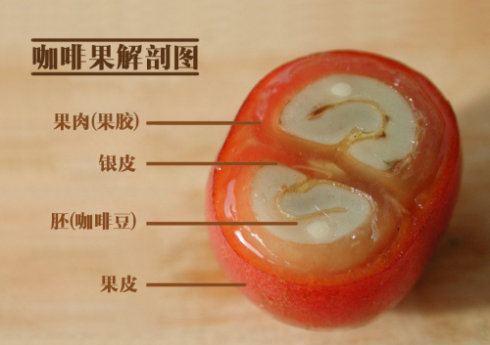
The beautiful red fruit of coffee knowledge the layered diagram of coffee fruit and the detailed introduction of the text.
Coffee shop lovers must have seen coffee beans (Coffee Bean), but coffee fruits may not have been seen. Of course, I haven't seen it either, but I have to see it, but if Yirgacheffe of Chongqing Brista Coffee West Point College can grow a job smoothly, then I won't have to run so far. Coffee tree cultivation is called coffee belt (Coff).
2016-01-04 Coffee knowledge drift bright fruit layering illustration text detail introduction
From planting coffee trees to harvesting coffee beans
Coffee trees take 3-5 years from planting to fruiting. 6-10 years of coffee trees are the most likely to bear fruit, about 15-20 years, is the harvest period.
2014-07-14 Coffee knowledge coffee tree planting coffee planting process coffee beans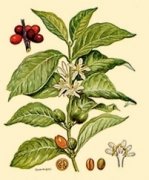
The basic concept of coffee beans
There are more than 60 species of coffee plants in the world, only 25 species are cultivated for coffee production, of which only 4 species are used as commercial coffee: Coffee liberica, Coffee canephora, Coffee arabica and Coffee deweverei, which are botanical scientific names. Coffee in the world today.
2014-11-12 coffee knowledge specialty coffee coffee base coffee beans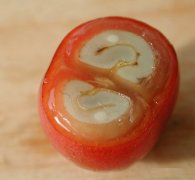
Boutique coffee bean knowledge coffee bean anatomy
Coffee bean close-up, coffee bean internal cross-section map of the coffee fruit after the peel of the freshly ripe coffee fruit on the tree, the coffee fruit without the peel, inside two coffee beans with endocarp, silver peel coffee bean coffee fruit internal structure (coffee fruit includes exocarp, mesocarp, pectin layer, endocarp, coffee bean silver skin, endosperm, embryo.) Internal knot of coffee beans
2014-09-30 Coffee knowledge boutique coffee beans coffee bean anatomy
Knowledge of boutique coffee beans dissecting the interior picture of coffee beans
Coffee bean close-up, coffee bean internal cross-section map of the coffee fruit after the peel of the freshly ripe coffee fruit on the tree, the coffee fruit without the peel, inside two coffee beans with endocarp, silver peel coffee bean coffee fruit internal structure (coffee fruit includes exocarp, mesocarp, pectin layer, endocarp, coffee bean silver skin, endosperm, embryo.) Internal knot of coffee beans
2014-12-29 Boutique coffee beans knowledge anatomy interior close-ups crosscutting trees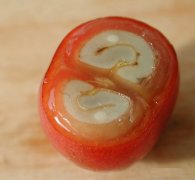
Coffee bean close-up cross-section of coffee bean inside
Coffee bean close-up, coffee bean internal cross-section map of the coffee fruit after the peel of the freshly ripe coffee fruit on the tree, the coffee fruit without the peel, inside two coffee beans with endocarp, silver peel coffee bean coffee fruit internal structure (coffee fruit includes exocarp, mesocarp, pectin layer, endocarp, coffee bean silver skin, endosperm, embryo.) Internal knot of coffee beans
2015-09-25 Coffee beans close-up interior crosscutting coffee beans tree Cheng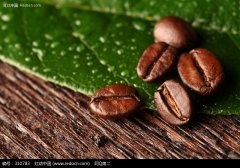
Processing Technology of Brazilian Coffee Raw beans Coffee Tree Fine Coffee
The Brazilian coffee industry follows the principle of picking first and screening later, but in other Latin American countries, people only pick fully ripe fruit, and if it is not mature enough, growers will leave the fruit on the tree. Why is there such a big difference between the two methods? The reason lies in the picking and treatment of raw beans. First of all, except for Brazil, the scale is larger.
2016-06-16 Brazil coffee raw beans processing craft coffee beans boutique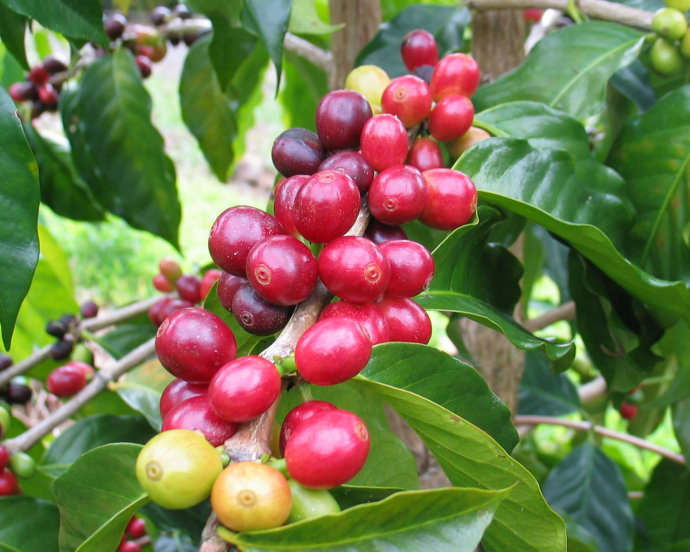
The process of Coffee Fruit from seed to growth to Post-harvest treatment Analysis of layered Anatomy of Coffee Bean
After the coffee flowers fade, they are replaced by small coffee fruits. The ripe coffee fruit is red and looks a bit like the familiar cherry, called coffee cherry. The freshman coffee fruit is green and turns red after ripening for about six months. After maturity, if it is not picked in time, it will slowly turn black. The color of mature coffee fruit is related to the variety, most coffee
2016-01-20 Coffee fruits seeds growth picking treatment process coffee beans stratification anatomy
Flavor and taste characteristics of Honduran coffee
Flavor and taste characteristics: good flavor, rich and mellow, suitable for mixed drinking. Honduran coffee bean Honduras, the most obvious feeling is relatively soft and thick, occasionally feeling a little sweet; low acidity, in Central American coffee producing areas, Honduran coffee is famous for its black berry flavor and caramel sweet, medium mellow thickness, and even black pepper and black pepper in some batches of coffee.
2016-06-13 Honduras coffee flavor taste characteristics quite good rich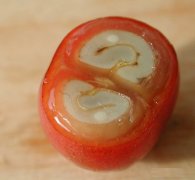
Illustration of coffee | dissection of the internal structure of coffee beans
Coffee bean close-up, coffee bean internal cross-section map of the coffee fruit after the peel of the freshly ripe coffee fruit on the tree, the coffee fruit without the peel, inside two coffee beans with endocarp, silver peel coffee bean coffee fruit internal structure (coffee fruit includes exocarp, mesocarp, pectin layer, endocarp, coffee bean silver skin, endosperm, embryo.) Internal knot of coffee beans
2014-05-16 Coffee knowledge coffee bean anatomy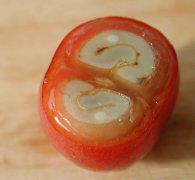
A close-up of dissecting coffee beans.
Coffee bean close-up, coffee bean internal cross-section map of the coffee fruit after the peel of the freshly ripe coffee fruit on the tree, the coffee fruit without the peel, inside two coffee beans with endocarp, silver peel coffee bean coffee fruit internal structure (coffee fruit includes exocarp, mesocarp, pectin layer, endocarp, coffee bean silver skin, endosperm, embryo.) Internal knot of coffee beans
2015-06-05 Coffee beans anatomy close-up coffee beans interior crosscut tree mature coffee
Processing of Fruit of High-quality Coffee
Coffee is the fruit of a Rubiaceae plant growing about 6000 feet above sea level, distributed on the world's narrow subtropical axis; coffee trees grow green all the year round and can grow up to 20 feet tall, and are generally controlled at 8 to 10 feet for easy harvest. It takes three to five years for the coffee tree to bear fruit. First of all, it produces small white flowers that resemble jasmine in shape and size, and then wither and bear deep fruit.
2015-01-19 Boutique coffee common sense fruit processing growing at 000 feet above sea level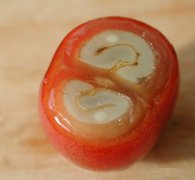
Fine Coffee Science explains the internal anatomy of fine coffee beans in detail
Coffee bean close-up, coffee bean internal cross-section map of the coffee fruit after the peel of the freshly ripe coffee fruit on the tree, the coffee fruit without the peel, inside two coffee beans with endocarp, silver peel coffee bean coffee fruit internal structure (coffee fruit includes exocarp, mesocarp, pectin layer, endocarp, coffee bean silver skin, endosperm, embryo.) Internal knot of coffee beans
2014-11-13 Coffee knowledge boutique coffee science internal anatomy of coffee beans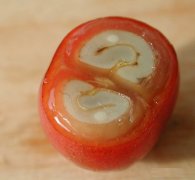
Detailed explanation of dissecting drawings of coffee beans in boutique coffee
Coffee bean close-up, coffee bean internal cross-section map of the coffee fruit after the peel of the freshly ripe coffee fruit on the tree, the coffee fruit without the peel, inside two coffee beans with endocarp, silver peel coffee bean coffee fruit internal structure (coffee fruit includes exocarp, mesocarp, pectin layer, endocarp, coffee bean silver skin, endosperm, embryo.) Internal knot of coffee beans
2014-11-21 Coffee knowledge boutique coffee science coffee beans anatomy