“Usage” search results (957)
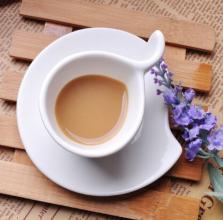
The usage of Philharmonic pressure-what is the price of Philharmonic pressure suitable for which kind of coffee beans?
1. What kind of ground coffee powder should I use? We recommend fine grinding, but it is slightly thicker than the Italian machine. Why is 80 ℃ water recommended for brewing coffee? From coffee lovers to coffee professionals, all of our tasters like 80 ℃. Because this temperature can brew smooth and rich coffee, hotter water will increase the bitter and sour taste by 3. 5%. How can I put
2016-10-18 Philadelphia method of use price how much suitable which kind coffee beans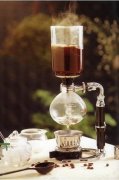
The usage of siphon coffee siphon pot
1. Tools and materials to be prepared: coffee beans 25g (for two, 12-15G/ for one person), bean grinder, alcohol lamp (with plenty of alcohol in it) or gas lamp or other heating apparatus, siphon pot one set, measuring spoon (about 8G), wooden or bamboo mixing rod, coffee cup group 2, siphon pot filled with water, the amount of water for two is 240CC, that is, the mark of 2CUP in the lower pot, which can be high.
2015-11-05 Siphon brewing coffee usage need preparation tools materials coffee beans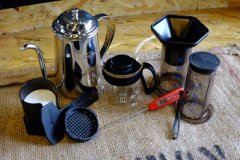
Philharmonic pressure | AeroPress Philharmonic pressure Video _ usage of Philharmonic pressure
Philadelphia is a simple instrument for making coffee by hand. Overall, its structure is similar to that of a syringe. When in use, put ground coffee and hot water into the syringe, then press the putter, and the coffee will flow into the container through the filter paper. It combines the immersion quenching method of the French filter kettle, the follicle type (hand punching).
2021-10-17 Philharmonic a kind of handmade cooking coffee simple utensils generally speaking it
The difference between the characteristics and usage of French presser and hand-brewed coffee it is recommended that what coffee beans are used in the press.
Coffee beans, powder thickness, water volume, temperature, proportion, all the same. The French kettle is pressed for 4 minutes and the hand is washed for 2 minutes and 15 seconds. The coffee made from the French press is rich and mellow in all kinds of flavor. Obviously drink the smell of coffee beans with your nose (is that like nutty?) But the most annoying thing is that the filter is not good, a lot of powder in the cup.
2022-07-10 Coffee basics common sense French kettle hand brew difference coffee beans thickness water temperature
Little knowledge of coffee
[usage of cups and saucers] the cups and saucers that hold coffee are all specially made. They should be placed on the front or right side of the drinker, and the cup ear should point to the right. When drinking coffee, you can hold the cup ear of the coffee in your right hand and hold the coffee plate gently in your left hand, slowly moving to your mouth and sipping. It is not advisable to hold the cup and swallow, nor should you bow your head to the coffee cup. Don't make a noise when drinking coffee.
2014-06-11 Coffee knowledge Coffee Encyclopedia Coffee training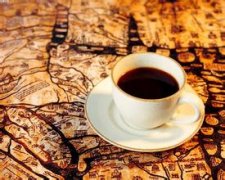
The usage and skill of mocha pot in the technique of making coffee
Italian coffee (Espresso) Espresso originally means fast, while Espresso Cafe refers to espresso extracted in an instant. Because this coffee brewing method comes from the steam pressure coffee machine invented by the Italian Achigasha in 1946, it is commonly known as Italian coffee. Generally brewing Italian coffee at home is made by using Italian mocha pot, mocha (M.
2015-05-26 Coffee technology mocha pot usage techniques Italy coffee Espre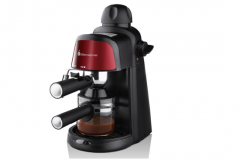
Usage of Italian coffee machine
The coffee machine has almost become a symbol of modern life. In the fast-paced life and work, people always have to maintain high enthusiasm and full spirit to deal with numerous and trivial things. When you are tired, if you can make a cup of steaming strong coffee, life will be too comfortable. As a result, the coffee machine came into being and went into thousands of households. Today, the editor is going to introduce you to espresso.
2015-11-02 Italian coffee machine usage almost become modern live logo
The history and usage of siphon pot
In 1840, a glass test tube in a laboratory triggered the invention of siphon coffee (Syphon). The British took the test tube used in Biya's chemical experiment as a model to create the first vacuum coffee pot. Two years later, Mrs. Bachang of France improved the kettle with a little spring in shape, and the familiar upper and lower convection siphon pot was born. Siphon coffee maker in France
2014-07-16 Siphon pot usage of siphon pot history of siphon pot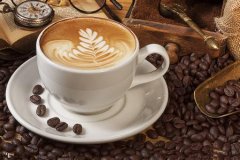
The History and usage of Coffee siphon Pot
In 1840, a glass test tube in a laboratory triggered the invention of siphon coffee (Syphon). The British took the test tube used in Biya's chemical experiment as a model to create the first vacuum coffee pot. Two years later, Mrs. Bachang of France improved the kettle with a little spring in shape, and the familiar upper and lower convection siphon pot was born. Siphon coffee maker in France
2015-05-27 Coffee common sense siphon history and its usage 1840 one experiment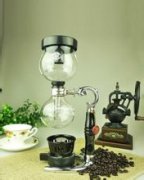
Analysis of equipment and usage of Coffee
Siphon pot (Syphon) siphon pot is one of the most popular coffee brewing methods in cafes. Principle: under the burning of alcohol lamp, when the water temperature in the lower container reaches 92 ℃, the water is sucked into the upper container with coffee powder, and after soaking and stirring, the coffee is returned. Degree of grinding: slightly thicker than powder, close to special fine granulated sugar. Siphon cooking has a kind of chemistry.
2014-07-17 Coffee knowledge coffee equipment coffee utensils coffee brewing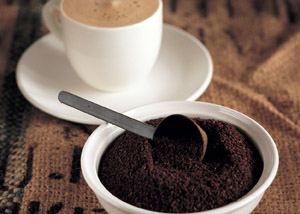
Which coffee beans are better for drinking at night?
Usage of coffee cup: coffee drunk after dinner is generally filled with a pocket-sized cup. The ears of this cup are too small for fingers to pass through. But even if you use a larger glass, don't put your finger through the ear before holding it. The correct way to hold a coffee cup should be to pinch the cup handle with your thumb and index finger and then lift the cup. Coffee Sugar Method: Sugar is available when adding sugar to coffee
2016-05-27 coffee beans which coffee compare fit evening coffee cup usage after dinner with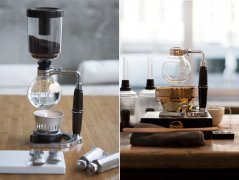
The history and usage of siphon pot
In 1840, a glass test tube in a laboratory triggered the invention of siphon coffee (Syphon). The British took the test tube used in Biya's chemical experiment as a model to create the first vacuum coffee pot. Two years later, Mrs. Bachang of France improved the kettle with a little spring in shape, and the familiar upper and lower convection siphon pot was born. Siphon coffee maker in France
2015-08-28 Siphon history and its usage 1840 one laboratory glass test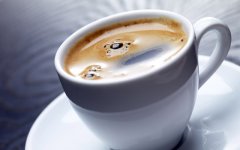
The history and usage of siphon pot
In 1840, a glass test tube in a laboratory triggered the invention of the siphon coffee maker (Syphon). The British took the test tube used in Biya's chemical experiment as a model to create the first vacuum coffee pot. Two years later, Mrs. Bachang of France improved the kettle with a little spring in shape, and the familiar upper and lower convection siphon pot was born. Siphon coffee pot in France
2015-10-23 Siphon History usage plug Cooking 1840 one Laboratory Glass
History and usage of siphon pot siphon coffee
In 1840, a glass test tube in a laboratory triggered the invention of the siphon coffee maker (Syphon). The British took the test tube used in Biya's chemical experiment as a model to create the first vacuum coffee pot. Two years later, Mrs. Bachang of France improved the kettle with a little spring in shape, and the familiar upper and lower convection siphon pot was born. Siphon coffee pot in France
2015-07-16 Siphon History usage Coffee 1840 one Lab Glass try
The History and usage of Coffee knowledge siphon Pot
In 1840, a glass test tube in a laboratory triggered the invention of siphon coffee (Syphon). The British took the test tube used in Biya's chemical experiment as a model to create the first vacuum coffee pot. Two years later, Mrs. Bachang of France improved the kettle with a little spring in shape, and the familiar upper and lower convection siphon pot was born. Siphon coffee maker in France
2014-09-24 Coffee knowledge history of siphon pot usage of siphon pot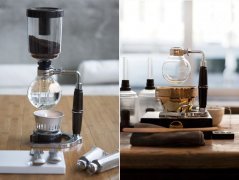
Introduction to the history and usage of siphon kettle
In 1840, a glass test tube in a laboratory triggered the invention of siphon coffee (Syphon). The British took the test tube used in Biya's chemical experiment as a model to create the first vacuum coffee pot. Two years later, Mrs. Bachang of France improved the kettle with a little spring in shape, and the familiar upper and lower convection siphon pot was born. Siphon coffee maker in France
2015-08-06 Siphon History and its usage plug Pot introduction 1840 one Real
The History and usage of Fine Coffee basic knowledge siphon Pot
In 1840, a glass test tube in a laboratory triggered the invention of siphon coffee (Syphon). The British took the test tube used in Biya's chemical experiment as a model to create the first vacuum coffee pot. Two years later, Mrs. Bachang of France improved the kettle with a little spring in shape, and the familiar upper and lower convection siphon pot was born. Siphon coffee maker in France
2014-12-09 Boutique coffee basics common sense siphon history and its usage 1840
The History and usage of siphon Pot General knowledge of Coffee Pot
In 1840, a glass test tube in a laboratory triggered the invention of siphon coffee (Syphon). The British took the test tube used in Biya's chemical experiment as a model to create the first vacuum coffee pot. Two years later, Mrs. Bachang of France improved the kettle with a little spring in shape, and the familiar upper and lower convection siphon pot was born. Siphon coffee maker in France
2015-03-16 Siphon history and its usage coffee maker common sense 1840 one real
A detailed explanation of the history and usage of the siphon kettle
In 1840, a glass test tube in a laboratory triggered the invention of siphon coffee (Syphon). The British took the test tube used in Biya's chemical experiment as a model to create the first vacuum coffee pot. Two years later, Mrs. Bachang of France improved the kettle with a little spring in shape, and the familiar upper and lower convection siphon pot was born. Siphon coffee maker in France
2015-03-02 Saifeng kettle common sense siphon history and its usage detailed explanation 1840 one
General knowledge of Fine Coffee A little knowledge of coffee in a cafe
[usage of cups and saucers] the cups and saucers that hold coffee are all specially made. They should be placed on the front or right side of the drinker, and the cup ear should point to the right. When drinking coffee, you can hold the cup ear of the coffee in your right hand and hold the coffee plate gently in your left hand, slowly moving to your mouth and sipping. It is not advisable to hold the cup and swallow, nor should you bow your head to the coffee cup. Don't make a noise when drinking coffee.
2014-10-11 Coffee knowledge coffee common sense coffee shop