“Tannin” search results (605)

What is tannic acid? One of the main chemical constituents of coffee beans
Tannin, one of the main chemical components of coffee beans, accounts for about 7% of the total chemical composition of coffee beans. After extraction, tannic acid will turn into a yellowish powder and easily dissolve in water. Once heated, it will decompose to produce pyrosylic acid, making the taste of coffee worse. Because of this, a cup of brewed coffee will lose its taste and taste if it is not drunk immediately.
2015-10-12 What Ning acid coffee beans main chemistry ingredients one
Basic knowledge of Fine Coffee several ingredients of coffee beans
Caffeine: caffeine is the most eye-catching of all the ingredients in coffee. It is a kind of phytoxanthin (animal muscle component). It has the same properties as theobromine contained in cocoa, green tea contains the same theophylline, and the percentage of reduction after baking is very small. Caffeine has a very wide range of effects. will affect the human brain, heart, blood vessels, gastrointestinal, muscle and kidney and other parts, the right amount of caffeine
2014-12-19 Boutique coffee basics common sense coffee beans several kinds ingredients caffeine
The ingredients of coffee beans. General knowledge of fine coffee.
Caffeine: caffeine is the most eye-catching of all the ingredients in coffee. It is a kind of phytoxanthin (animal muscle component). It has the same properties as theobromine contained in cocoa, green tea contains the same theophylline, and the percentage of reduction after baking is very small. Caffeine has a very wide range of effects. will affect the human brain, heart, blood vessels, gastrointestinal, muscle and kidney and other parts, the right amount of caffeine
2015-06-04 Coffee beans ingredients boutique coffee common sense caffeine all medium
The interpretation of coffee content makes you know more about coffee.
Tannic acid: after extraction, tannin will turn into a yellowish powder, which can easily blend into water. After boiling, it will decompose and produce pyrosylic acid, which will make the coffee taste worse. If the coffee is soaked and left for several hours, the color of the coffee will become stronger than when it was just soaked, and it is not tasty enough, so there is a saying that it is best to finish it as soon as possible. Fat: the fat in coffee, in flavor.
2014-11-24 Coffee knowledge coffee ingredients coffee common sense
Basic knowledge of boutique coffee explanation of the composition of coffee beans
Caffeine: caffeine is the most eye-catching of all the ingredients in coffee. It is a kind of phytoxanthin (animal muscle component). It has the same properties as theobromine contained in cocoa, green tea contains the same theophylline, and the percentage of reduction after baking is very small. Caffeine has a very wide range of effects. will affect the human brain, heart, blood vessels, gastrointestinal, muscle and kidney and other parts, the right amount of caffeine
2014-11-21 Coffee knowledge coffee common sense coffee beans ingredients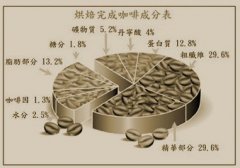
Roasting technology of boutique coffee beans to complete the coffee composition table
Caffeine: caffeine is the most eye-catching of all the ingredients in coffee. It belongs to a kind of phytoxanthin (animal muscle component). It has the same properties as theobromine contained in cocoa, green tea contains the same theophylline, and the percentage of reduction after baking is very small. Caffeine has a very wide range of effects. will affect the human brain, heart, blood vessels, gastrointestinal, muscle and kidney and other parts, the right amount of coffee
2014-12-28 Boutique coffee beans roasting technology finish coffee sub-meter caffeine
The chemical composition of coffee what are the ingredients in coffee beans?
Caffeine: caffeine is the most eye-catching of all the ingredients in coffee. It belongs to a kind of phytoxanthin (animal muscle component). It has the same properties as theobromine contained in cocoa, green tea contains the same theophylline, and the percentage of reduction after baking is very small. Caffeine has a very wide range of effects. will affect the human brain, heart, blood vessels, gastrointestinal, muscle and kidney and other parts, the right amount of coffee
2015-10-14 Coffee chemistry ingredients coffee beans what caffeine coffee all
Basic knowledge of Coffee Section 2 introduction to the characteristics and effectiveness of Coffee
Coffee basic knowledge Section 2 the characteristics and utility of coffee the characteristics of coffee have four flavors and one aroma: all the colors, aromas and tastes of coffee are the characteristics of chemical changes in raw coffee beans after roasting. 1. Bitterness: caffeine, one of the basic flavor elements of coffee. two。 Sour taste: tannin acid, the second basic flavor element of coffee. 3. Strong alcohol: strong coffee. Aromatic alcoholic
2016-03-17 Coffee basics second features utility introduction coffee
The interpretation of coffee content makes you know more about coffee.
Tannic acid: after extraction, tannin will turn into a yellowish powder, which can easily blend into water. After boiling, it will decompose and produce pyrosylic acid, which will make the coffee taste worse. If the coffee is soaked and left for several hours, the color of the coffee will become stronger than when it was just soaked, and it is not tasty enough, so there is a saying that it is best to finish it as soon as possible. Fat: the fat in coffee, in flavor.
2015-10-16 Coffee ingredients interpretation let you better understand rather sour extract become light yellow powder
What's the best way to drink coffee?
1. Take a sip of cold water first to clean your mouth. two。 Please drink coffee while it is hot, because the tannin in coffee is easy to change during cooling, and the taste becomes sour, which naturally affects the flavor of coffee. 3. After a sip of black coffee, every cup of coffee you drink can only blossom and bear fruit after five years of growth, and it goes through complicated procedures such as harvesting, roasting and so on.
2014-08-26 Coffee knowledge how to drink coffee coffee drinking skills
The interpretation of coffee ingredients makes you better understand the taste of coffee.
Tannic acid: after extraction, tannin will turn into a yellowish powder, which can easily blend into water. After boiling, it will decompose and produce pyrosylic acid, which will make the coffee taste worse. If the coffee is soaked and left for several hours, the color of the coffee will become stronger than when it was just soaked, and it is not tasty enough, so there is a saying that it is best to finish it as soon as possible. Fat: the fat in coffee, in flavor.
2014-12-31 Coffee ingredients interpretation let you better understand delicious rather sour refined become light yellow
Coffee common sense the difference between iced coffee and hot coffee with ice
There is an essential difference between ● ice drop coffee and iced coffee. Ice drop (or ice brew) coffee and ice or ice coffee seem to be a word of difference, but the two are essentially different in extraction and should not be confused. Ice drop (also known as ice brew) coffee is a coffee beverage extracted by soaking in water below 5 degrees Celsius for a long time at a low temperature. Iced coffee or iced coffee refers to quick extraction with hot water
2015-01-21 Coffee common sense ice droplets ice difference ice drops coffee chilled quality different
There is an essential difference between iced coffee and iced coffee.
Ice brewed coffee, also known as ice drop coffee, is the biggest difference from the above four, that is, instead of using hot water, ice water produced by slowly melting ice is dripped slowly through a filter containing coffee dust. So making a cup of ice-brewed coffee takes a long time and costs a lot, but it tastes great. There is an essential difference between iced coffee and iced coffee.
2016-03-23 Ice drops coffee chilled quality different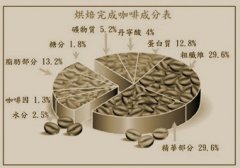
Coffee composition table caffeine is the most eye-catching of all the ingredients of coffee
Caffeine: caffeine is the most eye-catching of all the ingredients in coffee. It belongs to a kind of phytoxanthin (animal muscle component). It has the same properties as theobromine contained in cocoa, green tea contains the same theophylline, and the percentage of reduction after baking is very small. Caffeine has a very wide range of effects. will affect the human brain, heart, blood vessels, gastrointestinal, muscle and kidney and other parts, the right amount of coffee
2015-09-21 Coffee sub-meter caffeine all ingredients most human purpose coffee
The interpretation of the ingredients of fine coffee makes you know more about coffee.
Tannic acid: after extraction, tannin will turn into a yellowish powder, which can easily blend into water. After boiling, it will decompose and produce pyrosylic acid, which will make the coffee taste worse. If the coffee is soaked and left for several hours, the color of the coffee will become stronger than when it was just soaked, and it is not tasty enough, so there is a saying that it is best to finish it as soon as possible. Fat: the fat in coffee, in flavor.
2015-03-14 Boutique coffee ingredients interpretation let you better understand rather sour extract become light yellow
Can the bitterness of coffee be removed by adding salt
A cup of fragrant coffee can attract people's sense of smell and make people want to make peace.
2014-07-10 Coffee knowledge coffee with salt coffee bitterness coffee encyclopedia
How to drink coffee 1.2.3.4.5. Small steps
1. Take a sip of cold water first to clean your mouth. two。 Please drink coffee while it is hot, because the tannin in coffee is easy to change during cooling, and the taste becomes sour, which naturally affects the flavor of coffee. 3. After a sip of black coffee, every cup of coffee you drink can only blossom and bear fruit after five years of growth, and it goes through complicated procedures such as harvesting, roasting and so on.
2015-03-18 How coffee 1.2.3.4.5.step drink first take a sip cold water you
Roasting baking
The average chemical composition of raw coffee beans is as follows: water 12%, nitrogen 12%, fat 12%, sugar and dextrin (dextrine) 10%, other non-nitrogen substances 18%, dust 4%, tannin 6.7%, caffeine 1.2%, coffee essential oil 0.1%. Of course, these data are not fixed, and the quantity of some of these ingredients varies greatly, which is why each kind of coffee is so different.
2014-07-04 Roasted coffee beans primitive coffee beans common sense of coffee beans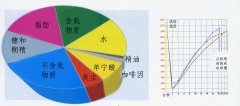
About baking
The average chemical composition of raw coffee beans is as follows: water 12%, nitrogen 12%, fat 12%, sugar and dextrin (dextrine) 10%, other non-nitrogen substances 18%, dust 4%, tannin 6.7%, caffeine 1.2%, coffee essential oil 0.1%. Of course, these data are not fixed, and the quantity of some of these ingredients varies greatly, which is why each kind of coffee is so different.
2014-08-04 Coffee knowledge coffee roasting coffee encyclopedia
Roasting roasted coffee
The average chemical composition of raw coffee beans is as follows: water 12%, nitrogen 12%, fat 12%, sugar and dextrin (dextrine) 10%, other non-nitrogen substances 18%, dust 4%, tannin 6.7%, caffeine 1.2%, coffee essential oil 0.1%. Of course, these data are not fixed, and the quantity of some of these ingredients varies greatly, which is why each kind of coffee is so different.
2014-09-28 Roasted coffee of coffee roasted coffee beans