“Tachira” search results (99)

Delicious fruit-flavored Venezuelan coffee beans introduce fine coffee
The characteristics of Venezuelan coffee: Venezuelan coffee taste is different from other coffee in Latin America, it is delicious, light, less sour than traditional coffee, which makes it not only blended but also unique. Flavor: rich and delicious fruit flavor suggested baking method: medium to deep roasting, multi-purpose ★★: good Venezuelan coffee market: at present
2016-06-28 Fragrant delicious fruity Venezuela coffee beans introduction boutique coffee
Venezuela's coffee producing region Venezuela's coffee market
Coffee trees were imported from Martinique as early as 1730, but coffee production was almost abandoned during the heyday of the oil industry. Coffee plantations have recently begun to revive, with the old Tipica and Bourbon trees and new plantations laying the groundwork for coffee exports.
2015-10-08 venezuela coffee origin market
Venezuelan coffee producing area of San Cristobal with different coffee tastes
The characteristics of Venezuelan coffee: Venezuelan coffee taste is different from other coffee in Latin America, it is delicious, light, less sour than traditional coffee, which makes it not only blended but also unique. Flavor: rich and delicious fruit flavor suggested baking method: medium to deep roasting, multi-purpose ★★: good Venezuelan coffee market: at present
2016-07-02 Coffee taste different Venezuela Crystal Val producing area
Coffee flavors from different coffee producing areas around the world coffee producing areas in Venezuela
Venezuela introduced coffee trees from Martinique as early as 1730, but coffee production was almost abandoned at the height of the oil industry. Recently, coffee plantations have begun to recover, with original Tipica and bourbon coffee trees and new plantations laying the foundation for coffee exports.
2015-02-15 Global different coffee origin flavor Venezuela
The Venezuelan coffee producing area of San Cristobal, located in Tazira in the southwest.
The characteristics of Venezuelan coffee: Venezuelan coffee taste is different from other coffee in Latin America, it is delicious, light, less sour than traditional coffee, which makes it not only blended but also unique. Flavor: rich and delicious fruit flavor suggested baking method: medium to deep roasting, multi-purpose ★★: good Venezuelan coffee market: at present
2016-07-02 Located in southwest Chila Venezuela coffee Crystal Val producing area
Rich and delicious fruit-flavored Venezuelan coffee from San Cristobal
The Caracas Zhouyuan area, once famous for its coffee, has resumed production. In addition, the Jean and AndresBoulton plantations in the Turgua region also grow Tippica coffee trees. The characteristics of Venezuelan coffee: the taste of Venezuelan coffee is different from other coffee in Latin America. It is delicious, light and better than traditional coffee.
2016-07-02 Fragrant delicious fruity Venezuela coffee Crystal Val producing area
Basic knowledge of boutique coffee beans Coffee bean producing countries 2
Ugandan Coffee Type: Arabica Coffee, Robusta Coffee production: 2.700.000 bags of the best Ugandan coffee show the acidity of the wine and the flavor characteristics of other best East African coffees. but it is not as admired as Kenyan or Zimbabwean coffee because of its generally low viscosity and lack of complex flavor. Bugishu, Bugisu. From Elgon Hillside
2015-06-05 Boutique coffee beans basics common sense producing countries Uganda coffee type Arabic
The best coffee in Venezuela is made in Montibelo in San Cristobal in Tazira.
The remaining 5.9 million kilograms of coffee in Venezuela last coffee year has not yet been found, and this year it will be difficult to find a market for another 7.9 million kilograms of coffee. As a result, more than 50, 000 small and medium-sized coffee farmers face the threat of bankruptcy. Experts from the Ministry of Agriculture are currently holding urgent consultations with coffee farmers on this issue. Ministry officials will study partial subsidies from the government and use this batch of coffee as a government-to-government project.
2016-06-23 Venezuela OK coffee product name produced in Ta Chira Crystal Val Ti
World Map of Coffee beans-- introduction of 53 coffee producing areas in the world
twenty-one. Venezuela oil was once considered the main export of Venezuela (Venezuela). Although coffee trees were introduced from Martinique in 1730 and Venezuela, coffee production was almost abandoned at the height of the oil industry. Recently, coffee plantations have begun to recover, with original Tipica and bourbon coffee trees and new plantations
2016-05-07 Coffee beans World Map Global 53 Coffee Origin introduction Comprehensive America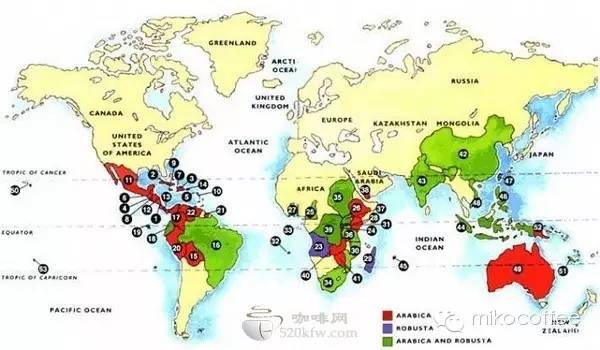
World boutique Coffee beans: the first introduction to Coffee from 53 Coffee producing areas in the World (to be continued)
one. Costa Rican coffee has full grains, ideal acidity and unique strong aroma. Tarrazu of Costa Rica is one of the major coffee producing areas in the world. Costa Rica, with its fertile volcanic soil and good drainage, is the first country in Central America to grow coffee and bananas for commercial value. Coffee and fragrance
2015-12-09 World boutique coffee beans global 53 coffee origin introduction one article waiting
Coffee scent bottle (coffee nose) instruction manual (No. 1-9 bottle) Chinese version
The nose-smelling bottle of 36-flavor coffee can be said to be one of the artifacts of coffee lovers. Many coffee players have a set to correct their sense of coffee smell and is an official auxiliary tool certified by Q-Grader coffee tasters. However, many domestic enthusiasts often put the very high-end instruction manual on the shelf after taking the incense bottle home, and the author is no exception. Straight
2016-05-06 Coffee smell nose instruction manual bottle 1-9 Chinese version
Coffee scent bottle (coffee nose) instruction manual (No. 1-9 bottle) Chinese version
The nose-smelling bottle of 36-flavor coffee can be said to be one of the artifacts of coffee lovers. Many coffee players have a set to correct their sense of coffee smell and is an official auxiliary tool certified by Q-Grader coffee tasters. However, many domestic enthusiasts often put the very high-end instruction manual on the shelf after taking the incense bottle home, and the author is no exception. Straight
2016-05-06 Coffee smell nose instruction manual bottle 1-9 Chinese version
Have a comprehensive understanding of coffee
Legend of Coffee the person who first discovered coffee: a shepherd in Ethiopia, in the fifth and sixth centuries AD. It is said that Niankadi, a shepherd with talent as a poet, herded sheep on the mountain paths of the Ethiopian plateau every day. He liked to drive the sheep home with a shrill flute, but one day the flute sounded again and there was no sign of the sheep. He looked everywhere. Find sheep
2014-07-23 Understand coffee coffee encyclopedia coffee knowledge
Introduction of Coffee from 53 Coffee producing areas in the World (3)
twenty-one. Venezuela oil was once considered the main export of Venezuela (Venezuela). Although coffee trees were introduced from Martinique in 1730 and Venezuela, coffee production was almost abandoned at the height of the oil industry. Recently, coffee plantations have begun to recover, with original Tipica and bourbon coffee trees and new plantations
2014-07-16 Coffee knowledge coffee origin coffee encyclopedia
Introduction of Coffee from 53 Coffee producing areas in the World
one. Costa Rican coffee has full grains, ideal acidity and unique strong aroma. Tarrazu of Costa Rica is one of the major coffee producing areas in the world. Costa Rica, with its fertile volcanic soil and good drainage, is the first country in Central America to grow coffee and bananas for commercial value. Coffee and fragrance
2014-09-15 Coffee knowledge global coffee producing area coffee producing area coffee introduction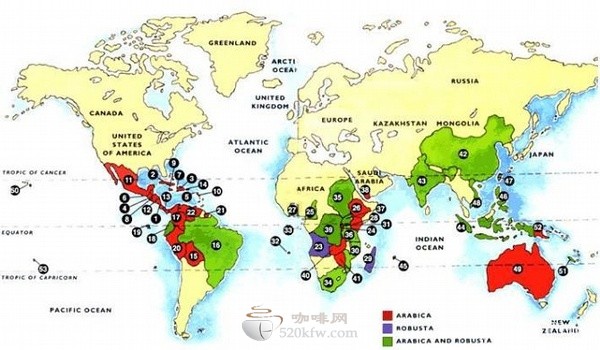
Coffee beans from 53 producing areas-enough to make you memorable
one. Costa Rican coffee has full grains, ideal acidity and unique strong aroma. Tarrazu of Costa Rica is one of the major coffee producing areas in the world. Costa Rica, with its fertile volcanic soil and good drainage, is the first country in Central America to grow coffee and bananas for commercial value. Coffee and fragrance
2015-11-17 53 producing areas coffee beans enough to make you endless aftertaste
Coffee producing countries, regions and integration
Bolivian coffee variety: Arabian coffee production: 150.000 bags with snow-capped mountain terrain, vast plateau and tropical rain forest, Bolivia has ideal coffee production conditions. More than 90 per cent of the coffee produced in Bolivia is produced in high-temperature and humid climates, with elevations of 500 to 1600 metres above sea level in the tropics of La Paz. Another very important production area
2014-09-19 Coffee producing country
Coffee producing countries Coffee varieties Arabica Coffee
Bolivian coffee variety: Arabian coffee production: 150.000 bags with snow-capped mountain terrain, vast plateau and tropical rain forest, Bolivia has ideal coffee production conditions. More than 90 per cent of the coffee produced in Bolivia is produced in high-temperature and humid climates, with elevations of 500 to 1600 metres above sea level in the tropics of La Paz. Another very important production area
2015-09-25 Coffee producing country variety Arab Bolivia coffee production
General knowledge of boutique coffee introduction to global boutique coffee producing countries
Bolivian coffee variety: Arabian coffee production: 150.000 bags with snow-capped mountain terrain, vast plateau and tropical rain forest, Bolivia has ideal coffee production conditions. More than 90 per cent of the coffee produced in Bolivia is produced in high-temperature and humid climates, with elevations of 500 to 1600 metres above sea level in the tropics of La Paz. Another very important production area
2014-11-13 Coffee knowledge boutique coffee coffee producing country