“Sweden” search results (1173)

Introduction of Manor Flavor in Panamanian Coffee Bean producing area Esmeralda Manor Panamanian Coffee Manor
The species of LaEsmeralda "Geisha" was discovered in the rose summer forest of Ethiopia in 1931 and sent to the Coffee Research Institute in Kenya; it was introduced to Uganda and Tanzania in 1936, in Costa Rica in 1953, and Panama was started in the 1970s by Mr. Franci Coselazin of Dongba Seven Farm Garden from CATIE in Costa Rica.
2016-07-18 Panama coffee beans producing areas manors flavors introductions ace Mela coffee
Panamanian Coffee Manor Jade Manor introduces Baru Volcano Coffee producing area
The species of Geisha was discovered in the Rose Summer Forest of Ethiopia in 1931 and sent to the Coffee Institute in Kenya; it was introduced to Uganda and Tanzania in 1936, in Costa Rica in 1953, and Panama was introduced in the 1970s by Francesca of Dongba Seven Farm Garden. Mr. Serraxin got seeds from CATIE, Costa Rica, and started growing Rosa Coffee.
2016-07-11 Panama Coffee Manor Jade introduction Baru Volcano producing area Rose Summer Ge
Panamanian Jade Manor Rose Summer Coffee beans Baru Volcano Jadeite Manor
The species of Geisha was discovered in the Rose Summer Forest of Ethiopia in 1931 and sent to the Coffee Institute in Kenya; it was introduced to Uganda and Tanzania in 1936, in Costa Rica in 1953, and Panama was introduced in the 1970s by Francesca of Dongba Seven Farm Garden. Mr. Serraxin got seeds from CATIE, Costa Rica, and started growing Rosa Coffee.
2016-07-13 Panama Emerald Manor Rose Summer Coffee Bean Baru Volcano introduction G.
Introduction to the characteristics of Coffee varieties treated by the Grinding degree of Caesar Louis Manor in Panama
Cup test results: Apple, Potato, Maple syrup, Lemon Citrus, Coffee blossom, Roasted hazelnuts, Dark chocolate Fragrance (dry fragrance): jasmine, citrus, tea, honey Aroma (wet fragrance): berries, flowers, oil, vanilla, citrus Flavor (sipping): fruit juice sweet, sour, non-irritating, clean, Buddha
2016-10-13 Bana Makai Louis Manor Coffee Grinding processing Variety characteristics Taste
Introduction to the flavor and taste of Bolivian Coffee Manor Xuemai Manor
Bolivian coffee market: coffee grown in Bolivia, in which Arab washed coffee beans are exported to Germany and Sweden, taste not the best today, and have a bitter taste. I remember that the admirable champion bean in 2007 was the coffee flower estate, but her score was overtaken by the 2008 champion Caf de Cordillera, when the international judges gave it a high score of 92.03 and Tak in 2009.
2016-08-03 Aroma Human Bolivia Coffee Manor Snow vein producing area Flavor taste medium
Panamanian Coffee Manor Jade Manor introduction to Rosa Coffee beans Panamanian Coffee Manor
The species of Geisha was discovered in the Rose Summer Forest of Ethiopia in 1931 and sent to the Coffee Institute in Kenya; it was introduced to Uganda and Tanzania in 1936, in Costa Rica in 1953, and Panama was introduced in the 1970s by Francesca of Dongba Seven Farm Garden. Mr. Serraxin got seeds from CATIE, Costa Rica, and started growing Rosa Coffee.
2016-07-21 Panama Coffee Manor Jade introduction Rose Summer Coffee beans Geis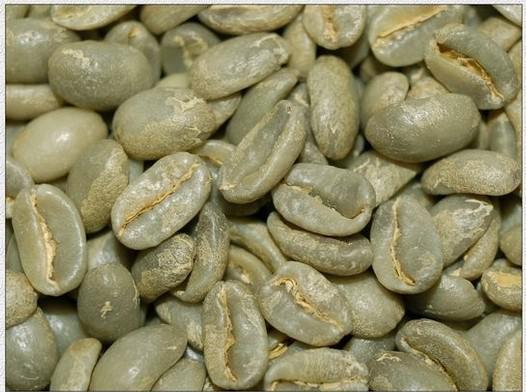
Boutique coffee beans: invincible Panamanian rosy summer coffee Geisha
Esmeralda Coffee has a brilliant experience: Panama's highest grade coffee ranks first for four consecutive years in 2004, 2005, 2006 and 2007! The American Fine Coffee Association (SCAA) ranked No. 1 in the World Coffee Cup Test in 2005, 2006 and 2007. Tropical Rain Forest Conservation Group Coffee quality Cup ranking 2004, 2006, 2007
2015-12-01 Boutique coffee beans invincible Panama Rosa coffee Geisha and translation
Panamanian Coffee Manor Jade Manor introduction to Panamanian Coffee Flavor and Taste Rosa Coffee
The species of Geisha was discovered in the Rose Summer Forest of Ethiopia in 1931 and sent to the Coffee Institute in Kenya; it was introduced to Uganda and Tanzania in 1936, in Costa Rica in 1953, and Panama was introduced in the 1970s by Francesca of Dongba Seven Farm Garden. Mr. Serraxin got seeds from CATIE, Costa Rica, and started growing Rosa Coffee.
2016-07-25 Panama Coffee Manor Jade introduction Flavor Taste Rose Summer Ge
Panamanian Coffee Jade Manor Rose Summer Coffee producing area Manor characteristics, Flavor and taste
In 1996, Blaise and Rachel visited a farm for sale in the Haramijun area of the Bocketi Valley, and was attracted by the beautiful farm and immediately bought it. This is Esmeralda. Daniel Lou, the third son of Haramiqiong Farm. It was in this farm that Mr. Bidarson planted what attracted the attention of the coffee world-- the history of Esmeralda Farm, Geisha Coffee.
2016-08-04 Panama Coffee Emerald Manor Rose Summer producing area characteristics Flavor taste introduction
Panamanian Emerald Manor Rosa Coffee Bean introduction to Baru Volcano Coffee producing area
The species of Geisha was discovered in the Rose Summer Forest of Ethiopia in 1931 and sent to the Coffee Institute in Kenya; it was introduced to Uganda and Tanzania in 1936, in Costa Rica in 1953, and Panama was introduced in the 1970s by Francesca of Dongba Seven Farm Garden. Mr. Serraxin got seeds from CATIE, Costa Rica, and started growing Rosa Coffee.
2016-07-13 Panama Emerald Manor Rose Summer Coffee beans introduction Baru Volcano Coffee production
Ethiopian Coffee Manor Jade Manor introduction to Panamanian Emerald Manor Rose Summer
Introduction to rose summer: the species of Geisha was discovered in the rose summer forest of Ethiopia in 1931 and sent to the Coffee Research Institute in Kenya; it was introduced to Uganda and Tanzania in 1936, in Costa Rica in 1953, and Panama was introduced by Francesca in the Dongba Seven Farm Garden in the 1970s. Mr. Serraxin got the seeds from CATIE, Costa Rica, and started planting.
2016-07-16 Ethiopia Coffee Manor Jade introduction Panama Rose Summer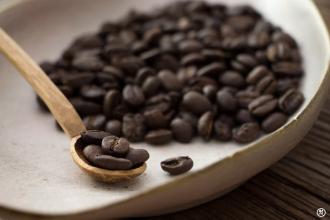
Characteristics of Panamanian coffee beans roses summer coffee Panamanian coffee beans
The microclimate of the Panamanian highlands is the most important resource that makes Panamanian coffee unique. The most important resource that makes Panamanian coffee unique is its microclimate. The east-west environment of the Republic of Panama allows cold air to flow through the Central Mountains and converge above 6500 feet, creating a variety of microclimates in the Boquete and Volcn Candela regions.
2016-05-22 Boutique coffee Panama coffee beans rose summer characteristics highlands with
Information about Panamanian Rose Summer learn about Panamanian coffee beans
Geisha, sweeping the coffee industry with the power of a hurricane, the coffee revolution is so fierce that the Blue Mountains of Jamaica and Kona of Hawaii, which have occupied the throne of the coffee kingdom for a long time, have to stay away. This wild species, which originated in Ethiopia, is now widely used in major coffee producing areas after numerous battles, and its best spokesman is "L" from Panama.
2016-04-29 About Panama Rose Summer Information understanding Coffee beans Geisha holding
Introduction of Erida Manor, a variety of flavor and taste in Panamanian coffee producing area.
In May 2014, the Panamanian government held a new presidential conference.
2016-08-15 Panama coffee characteristics manor producing area flavor taste variety Ellie introduction
Introduction of Panamanian Poket Flower Butterfly Coffee Bean Hope Manor
Geisha, sweeping the coffee industry with the power of a hurricane, the coffee revolution is so fierce that the Blue Mountains of Jamaica and Kona of Hawaii, which have occupied the throne of the coffee kingdom for a long time, have to stay away. This wild species, which originated in Ethiopia, is now widely used in major coffee producing areas after numerous battles, and its best spokesman is "L" from Panama.
2016-07-02 Panama Pokui Special Flower Butterfly Coffee beans Hope Manor introduction Geis
Characteristics of Coffee treatment in Manor Ireta, Panama introduction of fine coffee in producing areas
Planting altitude: 1400-1700m annual rainfall: 3200 mm average temperature: about 14-25 ℃ soil types: volcanic soil classification standard: SHB treatment method: water washing method: manual harvest related certification: Nash A raw bean specification: 18 mesh harvest year: 2015 cup test results: Apple, Potato, Maple syrup, Lemon Citrus, Coffee blossom, Roaste
2016-10-13 Bana May Letta Manor Coffee processing characteristics Variety producing area Taste
Introduction to Panamanian Coffee Manor
In 1996, Blaise and Rachel visited a farm for sale in the Haramijun area of the Bocketi Valley, and was attracted by the beautiful farm and immediately bought it. This is Esmeralda. Daniel Lou, the third son of Haramiqiong Farm. It is in this farm that Mr. Bidasson has grown Geisha coffee that attracts the attention of the coffee world. Geisha pronunciation is the same as Japanese.
2016-07-22 Panama Coffee Manor producing area Flavor Taste introduction 1996 Bra
Panamanian Emerald Manor Rose Summer Coffee Bean Esmeralda Manor Panamanian Coffee Flavor Manor
Introduction to rose summer: the species of Geisha was discovered in the rose summer forest of Ethiopia in 1931 and sent to the Coffee Research Institute in Kenya; it was introduced to Uganda and Tanzania in 1936, in Costa Rica in 1953, and Panama was introduced by Francesca in the Dongba Seven Farm Garden in the 1970s. Mr. Serraxin got the seeds from CATIE, Costa Rica, and started planting.
2016-07-19 Panama Emerald Manor Rose Summer Coffee beans Ace Mella Coffee Flavor mouth
Panama rose summer coffee better than Blue Mountain
In the early years, the identification of top coffee mostly followed Japan, and the king of coffee followed Jamaica Blue Mountain and Hawaii Kona, but with the continuous promotion and information sharing of coffee-producing countries, we were exposed to more fine coffee, and this coffee bean Panama rose became the new king of coffee in recent years.
2014-08-21 Coffee knowledge fine coffee beans rose summer coffee
Introduction to Esmedala Manor of Panamanian Coffee Manor
The species of Geisha was discovered in the Rose Summer Forest of Ethiopia in 1931 and sent to the Coffee Institute in Kenya; it was introduced to Uganda and Tanzania in 1936, in Costa Rica in 1953, and Panama was introduced in the 1970s by Francesca of Dongba Seven Farm Garden. Mr. Serraxin got seeds from CATIE, Costa Rica, and started growing Rosa Coffee.
2016-07-20 Panama Coffee Manor producing area Flavor palate characteristics introduction Ace Darla