“South China Sea” search results (500)

Tanzania boutique coffee bean flavor taste Kilimanjaro coffee
Tanzanian coffee was first introduced by Christian neighboring Kenya, and began to be planted at the foot of Mount Kilimanjaro. Some coffee trees are more than 100 years old. In the past, the Tanzanian coffee industry has been dominated by manor cultivation. Now more than 55% are grown by small farmers. Many small farmers form cooperative organizations, the most important of which is the Kilimanjaro Cooperative Federation.
2016-07-30 Tanzania boutique coffee beans flavor taste introduction Kili Mazar Luo coffee
Rich fragrant Indonesian Java coffee flavor taste manor boutique coffee introduction
Indonesia is located in the Pacific earthquake belt, where thousands of large and small earthquakes occur every year. In 2006, several strong earthquakes occurred on the island of Java. On May 27, an earthquake measuring 5.9 on the Richter scale struck Yogyakarta and parts of Central Java province, killing more than 6000 people. On July 17, an earthquake measuring 6.8 on the Richter scale struck the Indian Ocean in southern Java and triggered a tsunami, causing heavy casualties. July nineteenth
2016-08-22 Rich fragrant Indonesia Java coffee flavor taste manor boutique introduction
Introduction to the planting Climate of Coffee in Yunnan, China
At present, Yunnan coffee production is mainly distributed in Pu'er (180000 mu), Baoshan (100000 mu), Dehong (120000 mu) and Lincang (20 mu). Most of them are catimor varieties. At present, more than 80% of them are used as raw materials for instant coffee processing, some are supplied to Nestl é, and some are exported to Europe and the United States by local traders. From the grading criteria of specialty coffee
2014-08-05 Coffee knowledge Yunnan coffee coffee cultivation coffee climate
The taste of the coffee in Santa Cruz Manor, Ecuador is very balanced and refreshing.
Ecuador is divided into the western coast, the central mountains, the eastern Amazon River basin and the four central regions of the Galapagos Islands, with diverse climatic conditions. The western coastal plain belongs to the tropical rain forest climate, with an average temperature of 23-25 ℃. The central Andes. The intermountain basin in this area belongs to the savanna climate, and the mountain belongs to the subtropical forest climate, with perennial snow above 4000 meters above sea level. Annual average decline
2016-08-30 Taste very balanced fresh Ecuador Crewe Manor Coffee Flavor mouth
Introduction to coffee producing areas in western and southern Yunnan
The west and south of Yunnan Province are located between the 15th latitude and the Tropic of Cancer. Most of the areas are 1000-2000 meters above sea level. The terrain is mainly mountainous and sloping, with large undulations, fertile soil, sufficient sunshine, abundant rainfall and large temperature difference between day and night. These unique natural conditions form the particularity of Yunnan Arabica coffee taste, which is strong but not bitter, fragrant but not strong and slightly fruity. As early as fifty
2016-06-17 Yunnan West South Coffee Producing Area Introduction Small Yunnan Province
Introduction to the characteristics of Santa Cruz Manor
Central mountain: after entering Ecuador from Colombia, the Andes is divided into the eastern and western Cordillera mountains, with a plateau high in the north and low in the south, averaging between 2500 and 3000 meters above sea level. The Andes run through the middle of the border. The ridges crisscross, dividing the plateau into more than ten intermountain basins. The most important are the Quito basin and the Cuenca basin in the south. Volcanic crowds in the territory
2016-08-26 Ecuador coffee flavor taste manor producing area characteristics introduction Crewe medium
Tanzania Coffee Flavor and Taste introduction Kilimanjaro Coffee Bean
Tanzanian coffee was first introduced by Christian neighboring Kenya, and began to be planted at the foot of Mount Kilimanjaro. Some coffee trees are more than 100 years old. In the past, the Tanzanian coffee industry has been dominated by manor cultivation. Now more than 55% are grown by small farmers. Many small farmers form cooperative organizations, the most important of which is the Kilimanjaro Cooperative Federation.
2016-07-30 Tanzania coffee flavor taste introduction Kili Mazar Luo coffee boutique
Coffee and tea in southern India
At the end of last year, when I read in the newspaper that Starbucks planned to open 500 stores in India, I couldn't help but worry about India's tea industry. In recent years, I have heard tea people in Hangzhou talk about the impact of coffee shops and coffee on tea, especially young people, who love coffee. I remember a teacher from a tea college told me that drinking coffee was very popular in Hangzhou. I went to the lecture, and the students had a taste for tea.
2014-07-30 India South Coffee at the end of last year when I in the newspaper read Buck Plan
Introduction to the growing environment of Yunnan coffee and the proportion of seed brewing methods
Yunnan small grain coffee introduces Yunnan boutique coffee beans. China's coffee cultivation is concentrated in Yunnan and Hainan provinces. Yunnan has a large output, with an annual output of about 26000 tons in recent years, accounting for 90 per cent of the national output. It is said that Yunnan coffee came from the French 70 or 80 years ago. The main variety is Arabica Arabica, that is, the so-called small seed coffee, commonly known as Yunnan small grain coffee. Yunnan high-quality
2016-09-08 Yunnan coffee growth regional environment seeds methods brewing mode proportion medium
Tanzanian Coffee Flavor Taste Manor Introduction Tanzania Fine Coffee Beans Tanzania Coffee
Tanzanian coffee was first introduced by Christian neighboring Kenya and planted at the foot of Mount Kilimanjaro. Some coffee trees are more than 100 years old. The coffee industry in Tanzania used to be dominated by manor cultivation, but now more than 55% is cultivated by small farmers. Many small farmers form cooperatives, the most important of which is the Kilimanjaro Cooperative
2016-07-26 Tanzania Coffee Flavor Taste Manor Region Introduction Boutique Coffee Bean
Yunnan Coffee Flavor
The western and southern parts of Yunnan Province are located between 15 N and the Tropic of Cancer, most of which are 1000-2000 meters above sea level. The topography is dominated by mountains and slopes, with large ups and downs, fertile soil, sufficient sunshine, rich rainfall and large temperature difference between day and night. These unique natural conditions form the special taste of Yunnan small-grain coffee, which is strong but not bitter, fragrant but not strong, slightly fruity. As early as fifty years
2016-08-31 Yunnan coffee specialty flavor Yunnan province west south located north latitude north back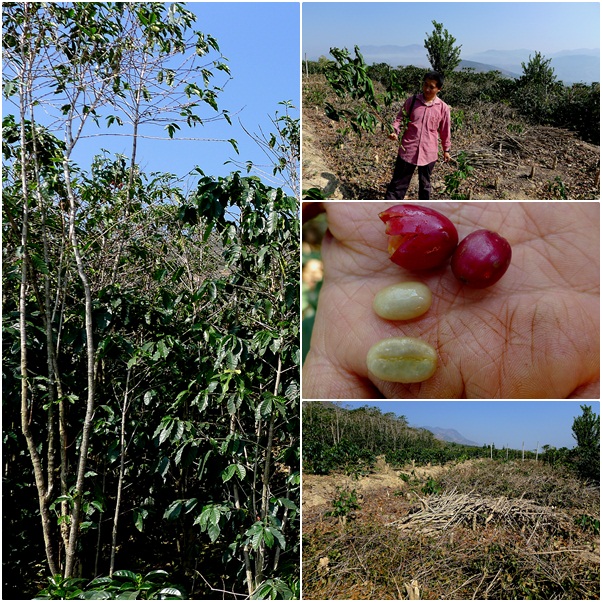
Yunnan Coffee Yunnan coffee varieties Tiebika and Bobang Yunnan coffee cultivation history
Yunnan coffee in China Yunnan coffee large-scale cultivation was in the mid-1950s, once planted on a scale of 4000 hectares. By the end of 1997, the province's coffee planting area had reached 7800 hectares. At present, the province's planting area accounts for 70% of the country's area, and its output accounts for 83% of the country's total. Whether it is from the planting area or coffee bean output, Yunnan coffee has established its dominant position in China. Jane
2016-03-17 China Yunnan Coffee Variety Tiebi Bobang Planting History
Introduction to the Nicaraguan Lemon Tree Manor located in Central America
Nicaragua, located in the middle of Central America, is the largest country in China and the United States, bordering Honduras in the north, Costa Rica in the south, the Caribbean Sea in the east and the Pacific Ocean in the west. The eastern part is the coastal plain, the high temperature and rainy climate belongs to the tropical maritime climate, and the western part is the coastal lowland with more active volcanoes. The north-central part is a highland, with an average annual temperature of 18 ℃ and an annual precipitation of 1500-2500mm.
2016-07-18 Located in Central America Central America Nicaragua Lemon Tree Manor introduction
Introduction to the release of coffee in Yunnan, China-introduction to the flavor and taste of domestic coffee
First of all, there was a feeling of numbness at the moment of being shocked by happiness. It took three seconds to feel a rich and balanced taste, and the bottom of the tongue gushed with a pleasant taste of sour Yunnan coffee. The reddish-brown Krima crema flowed smoothly, starting with a full cup and more than a centimeter when it stabilized. Remove the cup and continue to flow out of the coffee. The liquid with foam and color is OK.
2016-08-01 China Yunnan coffee release situation introduction domestic flavor taste first
The spread of coffee in China and the development of coffee shop culture
The development of coffee in China according to historical records, coffee was first planted in Taiwan in 1884, which opened the prelude to the development of coffee in China. The earliest coffee cultivation in mainland China began in Yunnan, when a French missionary brought the first coffee seedlings to Binchuan County in Yunnan Province at the beginning of the 20th century. For nearly a hundred years after that, coffee was only a star in the vast territory of China.
2015-11-04 Coffee China Communication Development Coffee Shop Culture Historical Materials
An introduction to the unique flavor of Ecuador's Hassanda Coffee Garden.
Port Guayaquil is the largest seaport in Ecuador. It faces the Pacific Ocean and backs against Mount Santa Ana. The nearby island of Pune serves as a natural barrier to protect the harbour from storms. There is a wharf in the south, which is more than 900 meters long. Ships from different parts of the world flying various flags are moored in the harbor. The port railway leads to the capital Quito, and highways connect Quito with other cities in the country.
2016-08-26 Unique flavor Ecuador Hasenda coffee garden producing area taste introduction
Introduction to the planting situation of Arabica Coffee Manor
Arabica coffee trees grow between 900m and 2000 m above sea level; they are hardy, and the suitable growth temperature is 1524 ℃; they need more humidity, and the annual rainfall is not less than 1500 ml. At the same time, they also require higher cultivation techniques and conditions. Arabica coffee beans are mainly grown in South America (except Argentina and parts of Brazil), Central American countries and Africa.
2016-07-12 Rabbi card seed coffee origin introduction manor planting situation rabbi card species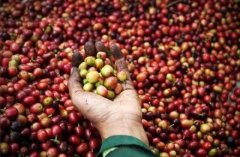
Explore the hometown of fragrant Blue Mountain Coffee
I have heard that Jamaica's Blue Mountain Coffee is famous all over the world and has been longing for it for a long time. Not long ago, I took the opportunity of an interview with this Caribbean island country to specially appreciate the strong and honest aroma of Blue Mountain Coffee and put an end to a long-cherished wish in my heart. Take a bus from Kingston and follow the winding mountain road to Strawberry Villa, a famous scenic spot in the Blue Mountains. Enjoying the mountain scenery in front of us and the sea view in the distance
2015-04-28 Visit Xiangnong Blue Mountain Coffee hometown
Papua New Guinea Bird of Paradise Manor Coffee Flavor Features
Papua New Guinea is the second largest country in the South Pacific after Australia in terms of population and area. It consists of New Guinea in the north and Papua in the south. It borders Irian Jaya province in Indonesia to the west and Australia across the Torres Strait to the south. The Melanesian Islands are rich in forest resources, covering an area of 36 million hectares of tropical virgin forest, about 30 million hectares.
2016-08-23 Taste Variety Papua New Guinea Bird of Paradise Manor Coffee Flavor Special
Description of Flavor of High-quality Coffee beans in Coffee Variety producing area of Santa Cruz Manor, Ecuador
The Republic of Ecuador is located in northwestern South America. It is bordered by Colombia in the northeast, Peru in the southeast and the Pacific Ocean in the west. It covers an area of 256370 square kilometers and the coastline is about 930km long. The equator runs across the northern part of the border, and Ecuador means the Spanish equator. after Colombia entered Ecuador, the Andes is divided into the eastern and western Cordillera mountains.
2016-09-23 Ecuador Crewe Manor Coffee Variety producing area Fine goods Coffee beans Flavor