“Reaction” search results (1161)

Why do coffee beans turn brown after roasting? Why is there an aroma?
Coffee beans are light green and turn brown when roasted. This baking characteristic brown mainly comes from the brown pigment produced by oligosaccharins, amino acids and chlorogenic acids. The so-called brown pigment does not refer to a color or ingredient, but a general term for the many ingredients that make coffee different colors. Raw beans gradually change color during baking because of the total amount of brown pigment
2016-08-24 Coffee beans through roasting why brown aroma coffee raw beans light green
Coffee Bean Flavor Robusta Method Presses Coffee Bean Size of Pot
Caramelization reaction After drinking coffee, the dried coffee stains at the bottom of the cup are arranged into interesting patterns. Suddenly, a sweet smell of caramel flashes. Smell carefully. The sweet caramel taste actually comes from the bottom of the cup. Why does it have caramel sweetness? Later, it was discovered that black coffee itself is really sweet, especially caramel sweet most obvious! But the sweetness of each coffee
2016-06-08 coffee beans flavor robbs booth press pot size saccharification reaction finish
Light Roast Coffee Bitter Green Coffee Supplier Cafe Italian Blending
Green beans change color continuously during baking, depending on the amount of brown pigment and the size of the molecule. Brown pigments can be classified according to molecular size. Light baking mostly produces small molecular pigments. As the baking degree deepens, the total amount of pigments increases, and the proportion of large molecular pigments increases. Lightly roasted coffee beans mostly contain yellow
2016-07-11 light roast coffee beans coffee bitterness green beans supplier cafe Italian
The growing Environment of Coffee trees Coffee Baking Caramel reaction
Growing environment: coffee grows in a treeless climate with medium rainfall and plenty of sunshine. The main coffee growing regions in the world are the Americas, Africa, the Arab region and Indonesia. Coffee is grown in about 80 countries in these regions. The fruit of the coffee tree will show a bright red when it is ripe, which is generally called coffee cherry.
2016-06-08 Coffee growth environment roasting saccharification reaction coffee requirements
Do not drink unbaked coffee roasting degree
The heat of shallow roasting is mild, because the sour aroma of flowers and fruits is most preserved by fermentation, so it is easy to smell the sour aroma of coffee. If the baking continues, that is, from the end of the first explosion to the middle baking before the second explosion, or even the medium and deep baking from the first explosion to the second explosion, most of the sour aroma of the fermentation catalysis has been broken up, instead of the taste spectrum of the sugar browning reaction (Sugar Browning) and Mena reaction.
2016-06-03 Not suitable for drinking roasting coffee degree light roasting heat mild because fermentation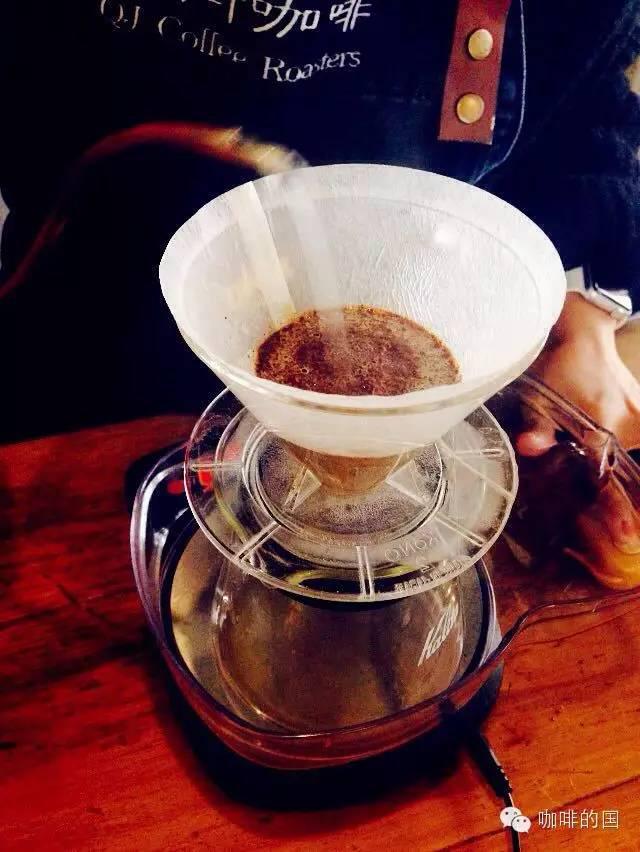
Changes in the roasting of coffee beans: why do coffee beans turn brown after baking? Why is there an aroma?
Coffee color change factors: coffee beans are light green, roasted will turn brown. This baking characteristic brown mainly comes from the brown pigment produced by oligosaccharins, amino acids and chlorogenic acids. The so-called brown pigment does not refer to a color or ingredient, but a general term for the many ingredients that make coffee different colors. Raw beans will gradually change color during baking.
2015-12-21 Coffee beans roasted medium change after why turn brown aroma coffee
Basic knowledge of Coffee beans Chemical reaction of Coffee in Baking
Coffee has a rich, wide range of flavors. Coffee produced in different regions, different elevations, different climates and different producing areas has its own unique characteristics. Raw beans are fragrant and have no usual coffee taste at all; the taste of coffee comes from proper roasting. Show fruity (light roasting) or caramel sweetness (deep roasting). The lighter the baking, the more sour it tastes. Baking.
2015-06-08 Coffee beans basics common sense coffee roasting medium chemistry reflection ownership
Roasting caffeine Maillard reaction and caramelization of Arabica and Robusta beans
Boutique coffee is fresh coffee. Whether it's food or drink, of course, the fresh the better, and so is boutique coffee. High-quality coffee should keep the coffee beans fresh before making, including the preservation of baked beans, and grind the coffee beans into powder before making, which is also to retain its original and best flavor. And the way of making hand-made coffee is such a way to make high-quality coffee.
2016-06-27 Rabbi Robes Booth Bean growing roasting caffeine Rudd response Saccharification Anti-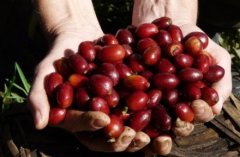
Common sense of roasting of coffee beans Chemical reaction of coffee in roasting
Coffee has a rich, wide range of flavors. Coffee produced in different regions, different elevations, different climates and different producing areas has its own unique characteristics. Raw beans are fragrant and have no usual coffee taste at all; the taste of coffee comes from proper roasting. Show fruity (light roasting) or caramel sweetness (deep roasting). The lighter the baking, the more sour it tastes. Baking.
2015-05-28 Coffee beans roasting common sense coffee medium chemistry reflection possession rich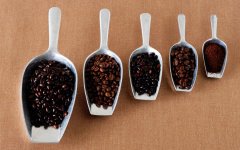
Coffee raw beans roast color change roasted coffee beans
Raw beans constantly change color during baking, depending on the number of brown pigments and the size of molecules. Brown pigments can be classified according to the size of molecules, shallow baking will mostly produce small molecular pigments, with the deepening of baking, the total amount of pigments will increase, and the proportion of macromolecular pigments will also increase. Most of the lightly roasted coffee beans contain yellow
2016-06-12 Coffee raw beans roasting color change coffee beans process medium meeting
How to use mocha pot to make iced coffee baking caramelization reaction
We don't need to pull flowers about milk, so all kinds of milk with good quality are suitable. Uncle bean does not recommend breakfast milk because the concentration is too low and the smell is very fishy. About the problem of iced coffee with sugar. As for how much to add and whether to add it or not, it depends on your own taste. Make espresso on the induction cooker as in the previous method, and then change the coffee from the mocha pot to ice and milk
2016-06-12 What is the use mocha pot making coffee roasting saccharification reaction about milk everyone
The basic chemical reaction that takes place during coffee roasting the degree of coffee bean roaster
I, when heated, is converted into isomers cellulose III and cellulose IV. The structure of coffee is a well-developed matrix, which improves the consistency of quality and contributes to the uniform spread of heat during baking. Cellulose in coffee is embedded in lignocellulose (an amorphous matrix containing hemicellulose and cellulose-containing lignin).
2016-10-18 Coffee roasting process medium hair raw basic chemical reaction coffee beans roaster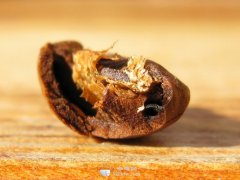
General knowledge of Fine Coffee reaction in the process of roasting coffee
Once the coffee seed is planted, no one can change its final quality. However, the color, aroma, bioactive components and health characteristics of coffee are related to the roasting process. During the roasting process, coffee is heated at 190-220 degrees for 7-20 minutes, which helps to bake out its aroma and good taste, and helps to form lactone, nicotinic acid and resistance.
2015-01-08 Boutique coffee common sense baking steps process reaction once
Caffeine allergic reaction
The common side effects and allergic reactions are skin eczema, urticaria or xanthine structural asthma, and pleomorphic erythema-like drug eruption.
2014-07-12 Coffee knowledge caffeine allergy coffee encyclopedia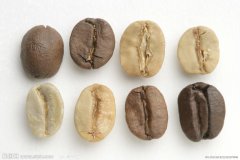
Coffee roaster training and terminology how can coffee roasting produce oil coffee beans roast degree
After the end of the endothermic reaction stage and the first explosion, the heat-proof reaction is carried out immediately. The sound produced by the expansion effect produced by the preheating of raw beans during the first burst, the sound and time of bursting will vary with the variety, density and vitality of the endothermic reaction stage. Under the condition of high temperature baking, direct fire baking will occur 1 explosion in 7 minutes, while semi-hot air.
2016-06-24 Coffee roasting training terminology how oil coffee beans degree explosion heat absorption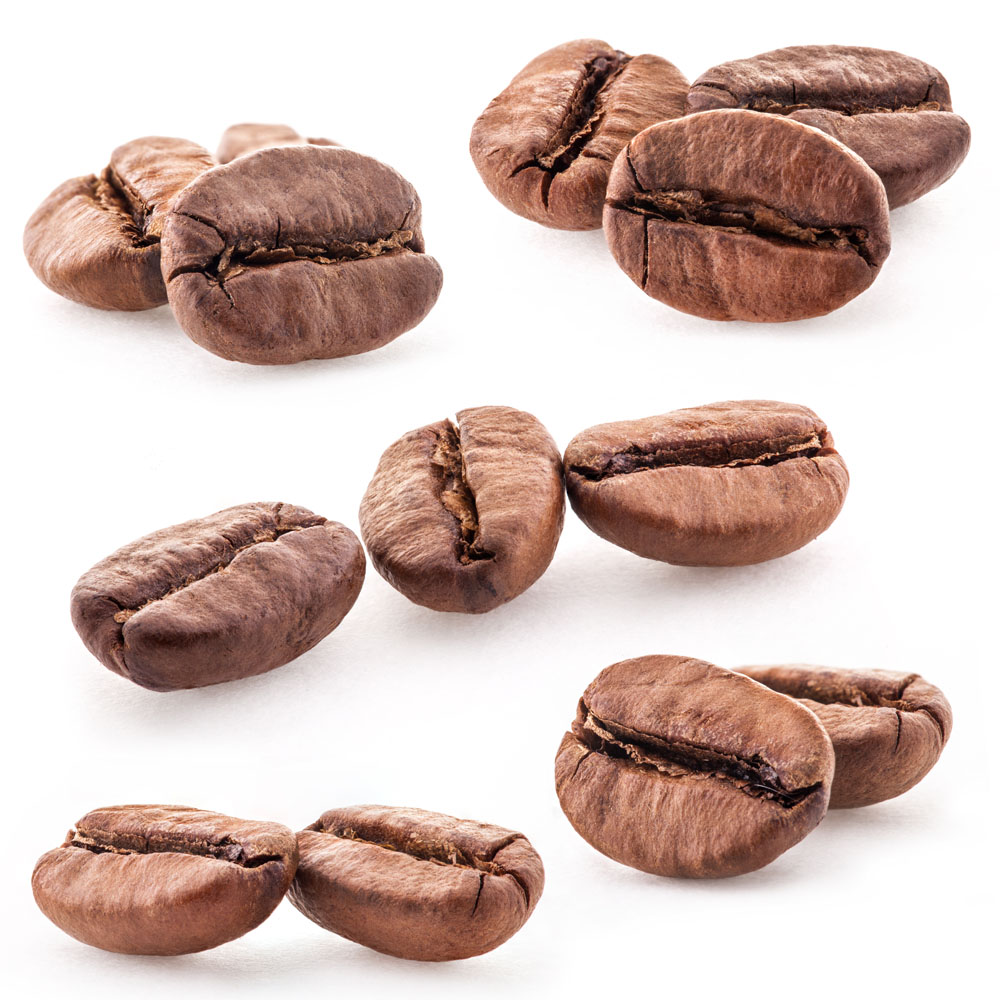
Coffee roaster training and terminology Professional baristas Coffee Coffee in English and City Bakery Coffee
After the end of the endothermic reaction stage and the first explosion, the heat-proof reaction is carried out immediately. The sound produced by the expansion effect produced by the preheating of raw beans during the first burst, the sound and time of bursting will vary with the variety, density and vitality of the endothermic reaction stage. Under the condition of high temperature baking, direct fire baking will occur 1 explosion in 7 minutes, while semi-hot air.
2016-07-12 Coffee roasting training terminology professional English first explosion second explosion city
Coffee roaster training and terminology Professional baristas Coffee Coffee in English and City Bakery Coffee
After the end of the endothermic reaction stage and the first explosion, the heat-proof reaction is carried out immediately. The sound produced by the expansion effect produced by the preheating of raw beans during the first burst, the sound and time of bursting will vary with the variety, density and vitality of the endothermic reaction stage. Under the condition of high temperature baking, direct fire baking will occur 1 explosion in 7 minutes, while semi-hot air.
2016-07-12 Coffee roasting training terminology professional English first explosion second explosion city
Coffee raw beans roast color change boutique coffee raw beans imported coffee
Coffee roasting, coffee cup testing and coffee extraction are all very rigorous sciences, while coffee roasting has the most influence on coffee taste, and there are fewer people in the industry who study coffee roasting, and even fewer baristas know how to roast coffee. with the continuous development of market economy and people's increasing requirements for coffee quality, baristas are required to be more professional.
2016-07-22 Coffee raw beans roasting color change boutique import English coffee
Coffee health details caffeine allergic reaction
The common side effects and allergic reactions are skin eczema, urticaria or xanthine structural asthma, and pleomorphic erythema-like drug eruption. People with high allergies often experience sudden restlessness, loss of consciousness, cyanosis in the lips, and then respiratory and heartbeat arrest during the injection. Drug overdose poisoning is more common in children with overdose or misuse, exceeding the maximum treatment dose (6mg/Kg/ times), early stage
2014-10-18 Coffee knowledge coffee health caffeine
Citrus acidity Burundian boutique coffee bean flavor description method grinding degree production area taste baking record
Burundian coffee bears a striking resemblance to neighboring Rwanda, where coffee from the two countries is often confused. Burundian coffee is mainly grown in bourbon, with traditional wet processing of coffee cherries. Its boutique coffee is characterized by elegant sweetness and bright citrus aromas. This batch belongs to the bourbon species micro-batch country: Burundian growth: 1750 meters
2016-10-19 Citrus sour Burundi boutique coffee beans flavor description treatment grinding production