“Ramon” search results (206)

The process of planting and picking Coffee basic knowledge of Coffee
The first people to drink coffee lived in Ethiopia. A drink called Buncham was found in the Arab scientific literature of 900-1000 AD, but it is not certain that it is coffee. These documents mainly record the scientific value of this bean called Buncham. In addition to introducing the protective effects of this drink on the stomach, organs and skin, the author also mentioned that it can make
2015-02-16 Coffee planting picking process basics common sense
The skills of planting and harvesting Coffee the growth status of coffee trees
The first people to drink coffee lived in Ethiopia. A drink called Buncham was found in the Arab scientific literature of 900-1000 AD, but it is not certain that it is coffee. These documents mainly record the scientific value of this bean called Buncham. In addition to introducing the protective effects of this drink on the stomach, organs and skin, the author also mentioned that it can make
2015-10-07 Coffee planting harvesting skills growth condition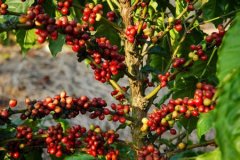
Basic knowledge of all aspects of coffee
Linnaeus (Swedish naturalist) classifies coffee plants into the Rubiaceae family, such as gardenia. The great naturalist named it Coffea.
2014-06-17 Coffee knowledge Coffee Encyclopedia basic knowledge
The way of Marketing and Management of Nestle Coffee
Perhaps most of the domestic public's understanding of Nestle coffee comes from its well-known slogan, "it tastes delicious!" It started.
2014-07-10 Coffee shop operation Nestle coffee coffee marketing coffee encyclopedia
A detailed analysis of the whole process of a coffee from coffee seed to coffee tree and then to coffee bean picking
The first people to drink coffee lived in Ethiopia. A drink called Buncham was found in the Arab scientific literature of 900-1000 AD, but it is not certain that it is coffee. These documents mainly record the scientific value of this bean called Buncham. In addition to introducing the protective effects of this drink on the stomach, organs and skin, the author also mentioned that it can make
2015-12-29 One coffee seed and then coffee beans picking the whole process detailed analysis
Coffee Basics About Coffee Trees and Caffeine
Linnaeus classified coffee plants in the Rubiaceae family, e.g. Gardenia. The great naturalist named it Coffea. Although plants in the wild can grow to 10-12 metres tall, those in plantations are about 3 - 5 metres tall, except in Colombia, where few species exceed 2 metres. This makes farming and picking easier and cultivation more economical. leaves
2014-09-11 coffee knowledge coffee basics coffee tree caffeine
Basic knowledge of all aspects of coffee
Linnaeus (Swedish naturalist) classifies coffee plants into the Rubiaceae family, such as gardenia. The great naturalist named it Coffea. Although wild plants can grow as high as 10-12 meters, the plantations are about 3 to 5 meters high, with the exception of Colombia, where tree species rarely exceed 2 meters. This makes farming and picking easier and more economical to cultivate. Leaves
2015-08-25 About coffee parties noodles basic knowledge
A comprehensive introduction to all aspects of coffee-coffee beginners must see the knowledge.
Linnaeus (Swedish naturalist) classifies coffee plants into the Rubiaceae family, such as gardenia. The great naturalist named it Coffea. Although wild plants can grow as high as 10-12 meters, the plantations are about 3 to 5 meters high, with the exception of Colombia, where tree species rarely exceed 2 meters. This makes farming and picking easier and more economical to cultivate. Leaves
2015-12-03 Coffee generous noodle simple introduction beginner must see knowledge point
Basic knowledge of all aspects of coffee decaf coffee
Linnaeus (Swedish naturalist) classifies coffee plants into the Rubiaceae family, such as gardenia. The great naturalist named it Coffea. Although wild plants can grow as high as 10-12 meters, the plantations are about 3 to 5 meters high, with the exception of Colombia, where tree species rarely exceed 2 meters. This makes farming and picking easier and more economical to cultivate. Leaves
2015-10-07 About coffee parties noodles basics caffeine
The basic knowledge of coffee encyclopedia on all aspects of coffee
Linnaeus (Swedish naturalist) classifies coffee plants into the Rubiaceae family, such as gardenia. The great naturalist named it Coffea. Although wild plants can grow as high as 10-12 meters, the plantations are about 3 to 5 meters high, with the exception of Colombia, where tree species rarely exceed 2 meters. This makes farming and picking easier and more economical to cultivate. Leaves
2014-10-16 Coffee knowledge coffee encyclopedia coffee basics
Basic knowledge about all aspects of coffee-baristas must see
Linnaeus (Swedish naturalist) classifies coffee plants into the Rubiaceae family, such as gardenia. The great naturalist named it Coffea. Although wild plants can grow as high as 10-12 meters, the plantations are about 3 to 5 meters high, with the exception of Colombia, where tree species rarely exceed 2 meters. This makes farming and picking easier and more economical to cultivate. Leaves
2015-11-24 About coffee all parties noodles basics knowledge points division will
Arabica Coffee Coffee Arabica
Many people have seen roasted coffee beans, but unless you have lived or traveled to coffee producing areas, you may not know coffee trees. The saplings are short-trimmed, but when they mature, they are 30 feet tall and covered with waxy leaves that grow symmetrically in dark green. The coffee fruit grows along the branches. After the white flowers are in full bloom and pollinated, the fruit takes a year to ripen. Fruiting is a continuous cycle, so flowers
2014-06-30 Arabica coffee beans boutique coffee beans roasted coffee beans
The Marketing and Management of Nestle Coffee Coffee Brand Management
Perhaps most of the domestic public's understanding of Nestle coffee comes from its well-known slogan. It started. In fact, many people in the industry are also familiar with one of its classic anecdotes, that is, at the beginning of its birth, Nestle Coffee once caused a sales crisis by overemphasizing the convenience (instant) brought about by its technological breakthrough. The reason is that many housewives are unwilling
2015-08-13 Nestle Coffee Marketing Business Road Brand domestic Volkswagen Nestl é
A brief introduction to the Gene Mutants of Coffee species
Kenya [SL28] and [SL34]: French and British missionaries and researchers sifted in Kenya at the beginning of the 20th century
2015-03-09 Coffee species genes mutants brief introduction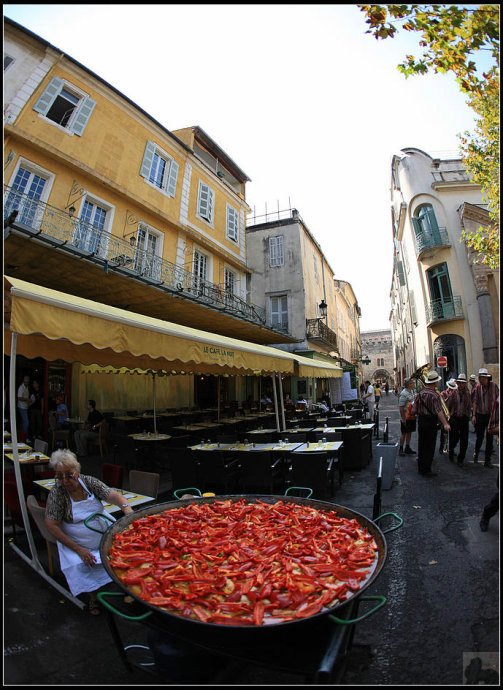
There are a lot of stories in cafes. There are stories in cafes all over the world.
I'm not at home, I'm in the coffee shop, I'm on my way to the coffee shop! This is a note from a Viennese artist to his girlfriend, from which you can see the position of the cafe in the eyes of Westerners. Cafes have played an important role in Western history. Therefore, do not underestimate these cafes, their stories are not simple. Four cats in Barcelona
2015-08-14 Coffee restaurant story inventory global cafe not in at home in coffee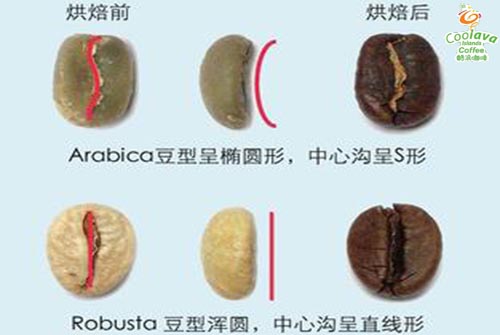
Boutique coffee beans: details of Arabica and the difference between Arabica and Robusta
Arabica Coffee Coffee Arabica many people have seen roasted coffee beans, but unless you have lived or traveled to coffee producing areas, you may not know coffee trees. The saplings are short-trimmed, but when they mature, they are 30 feet tall and covered with waxy leaves that grow symmetrically in dark green. The coffee fruit grows along the branches. After the white flowers are in full bloom and pollinated, the fruit takes a year to ripen.
2015-12-09 Boutique coffee beans rabbi details introduction and its Robes Booth difference
The species of coffee, tell me what kinds of coffee trees there are.
The coffee beans we usually see are red fruits on trees, seeds without peel and pulp. It is a kind of plant, so there will naturally be different tree species, just as there are many kinds of apples. There are two main categories visible in the market: Arabica and Robusta (rough flavor, caffeine more than twice as high as Arabica, not a boutique coffee variety. But in recent years, India
2015-10-26 Coffee tree species say all have what variety
Nestle Coffee successful Marketing knowledge of Coffee Brand Management
Perhaps most of the domestic public's understanding of Nestle coffee comes from its well-known slogan. It started. In fact, many people in the industry are also familiar with one of its classic anecdotes, that is, at the beginning of its birth, Nestle Coffee once caused a sales crisis by overemphasizing the convenience (instant) brought about by its technological breakthrough. The reason is that many housewives are unwilling
2015-08-13 Nestle Coffee success Marketing Road Brand Business knowledge
Coffee planting History of Coffee introduction and expansion in China in the early stage (3)
1. Investigation on the year of coffee introduction in Hainan Island in 1898 1.1 the age of the early introduction of coffee in Hainan Island is indisputably expressed as 1908 in many local chronicles, agricultural history, agricultural history and various books and periodicals in China. However, the remains of the century-old coffee trees in Hainan Island are still there, and the descendants of the ancient trees are still there. Therefore, the century-old coffee trees that actually exist in Hainan have unequivocally rewritten Hainan.
2014-10-14 Coffee knowledge coffee growing history Chinese coffee
History of introduction and expansion of Coffee in early China (3)
1. Investigation on the year of coffee introduction in Hainan Island in 1898 1.1 the age of the early introduction of coffee in Hainan Island is indisputably expressed as 1908 in many local chronicles, agricultural history, agricultural history and various books and periodicals in China. However, the remains of the century-old coffee trees in Hainan Island are still there, and the descendants of the ancient trees are still there. Therefore, the century-old coffee trees that actually exist in Hainan have unequivocally rewritten Hainan.
2015-04-28 Early China coffee introduction expansion