“Pulp” search results (4221)
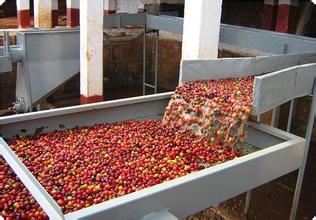
Treatment of raw coffee beans: introduction to the operation method and purpose of washing method
Washing method: 1, select beans: put the harvested fruit in a water tank and soak for about 24 hours. At this time, ripe fruit will sink, while immature and overripe fruit will float up and can be removed. 2. Remove the pulp: use a machine to remove the skin and pulp, leaving only the coffee beans wrapped in the endocarp. At this time, there is a layer of mucous membrane on the outside of the beans, and the process of washing is
2015-12-08 Coffee raw beans treatment washing operation method introduction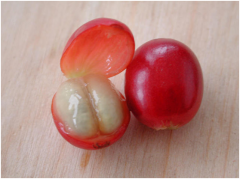
Processing methods of high-quality coffee beans
There are a pair of oval seeds in the center of the fruit of the coffee tree, which are covered with exocarp, endocarp and pulp. Ripe fruit will rot in a short period of time without treatment, so the purpose of refining is to enable coffee beans to be preserved for a long time, easy to store and circulate. Figure (1) Coffee fruit Coffee fresh fruit should be dealt with immediately after being harvested. Refining is to remove the peel and pulp of coffee fruit
2015-10-24 Boutique coffee beans treatment methods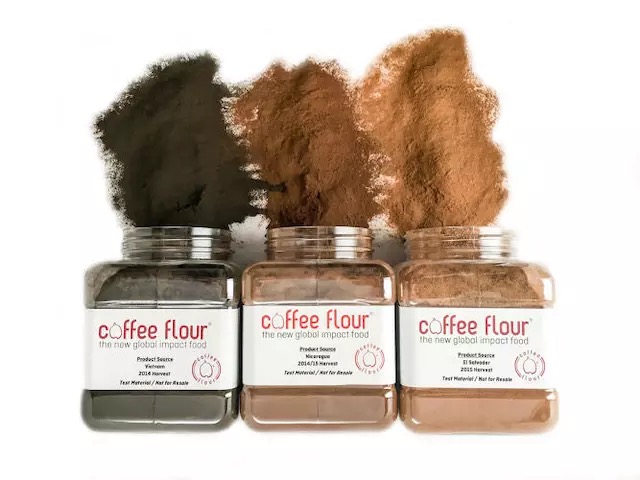
He started a business with coffee pulp that no one asked for.
If you are familiar with coffee, you will probably know that coffee trees produce fruit. After the peel and fruit are removed by washing and sunlight, the remaining seeds, that is, coffee beans, are really used to make coffee. As a result, there are mountains of fruit and peels left in the process of obtaining coffee beans, a small number of which are used as fertilizer by coffee farmers, which are more common.
2016-08-09 No one wants coffee pulp he takes it to do business if you are right.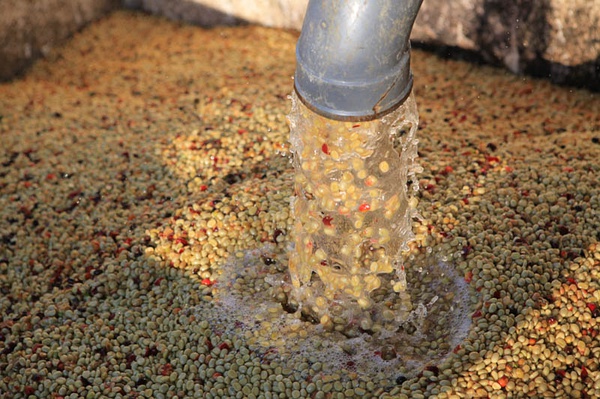
The treatment method of raw coffee bean; the detailed introduction of washing method.
When the coffee fruit is harvested from the mountain, the next step is to remove the peel and pulp of the coffee beans. There are two main ways of treatment: washing and solarization. But the ultimate determining factor is whether there is enough water to use. Some special boutique coffees are both insolated and washed. Washing requires the use of special machinery and equipment and adequate water sources.
2015-12-01 Coffee raw beans treatment method washing method details introduction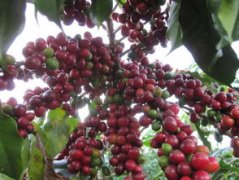
How to deal with high-quality coffee beans
There are a pair of oval seeds in the center of the fruit of the coffee tree, which are covered with exocarp, endocarp and pulp. Ripe fruits will rot in a short time without treatment, so the purpose of refining is to enable coffee beans to be preserved for a long time, easy to store and circulate. (1) Coffee fruits and fresh fruits should be treated immediately after they have been harvested. Refining is to remove the outer skin and pulp of coffee fruit.
2015-03-16 Coffee preparation boutique coffee beans how to deal with
Processing method of high-quality coffee beans coffee refining method
There are a pair of oval seeds in the center of the fruit of the coffee tree, which are covered with exocarp, endocarp and pulp. Ripe fruit will rot in a short period of time without treatment, so the purpose of refining is to enable coffee beans to be preserved for a long time, easy to store and circulate. Figure (1) Coffee fruit Coffee fresh fruit should be dealt with immediately after being harvested. Refining is to remove the peel and pulp of coffee fruit
2015-04-11 Boutique coffee beans treatment method coffee making method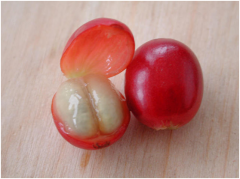
Processing method of high-quality coffee beans coffee refining method
There are a pair of oval seeds in the center of the fruit of the coffee tree, which are covered with exocarp, endocarp and pulp. Ripe fruit will rot in a short period of time without treatment, so the purpose of refining is to enable coffee beans to be preserved for a long time, easy to store and circulate. Figure (1) Coffee fruit Coffee fresh fruit should be dealt with immediately after being harvested. Refining is to remove the peel and pulp of coffee fruit
2015-01-23 Boutique coffee beans treatment method coffee fruit center pair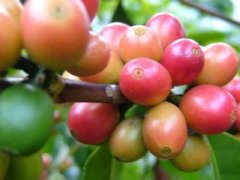
Processing of high-quality coffee beans by wet treatment
The wet treatment process requires more capital investment and more energy, but this method helps to ensure the quality of coffee beans and reduce damage. The main difference between the wet and dry methods is that during the wet treatment, the pulp is immediately separated from the coffee beans instead of drying them. The pulp is separated in this way in a separator with a fixed surface and a moving surface.
2014-12-29 Boutique coffee beans processing process need large capital investment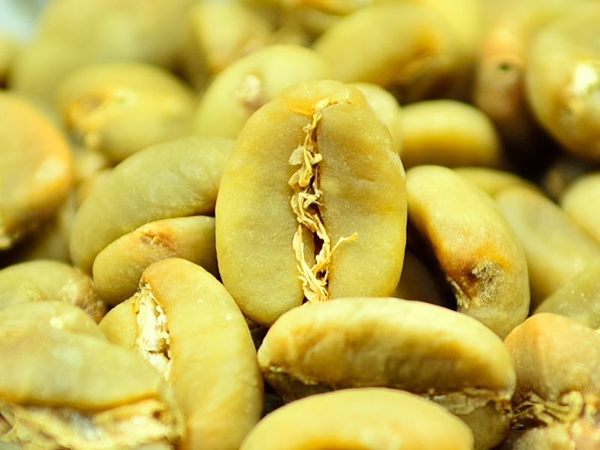
Treatment of raw coffee beans from planting to transportation: pulp peeling, fermentation, drying, selection
The harvested coffee fruit is transported to the processing plant. The factory processes peeling, fermentation, drying, sorting and other processes for processing coffee beans. Remove the pulp, pick out the bad beans, soak and ferment in water, and re-dry in the sun. After this series of complex processes, you can get fresh raw beans. This process has a great impact on the quality of coffee beans.
2015-12-17 Coffee raw beans planting transportation process treatment pulp peeling fermentation drying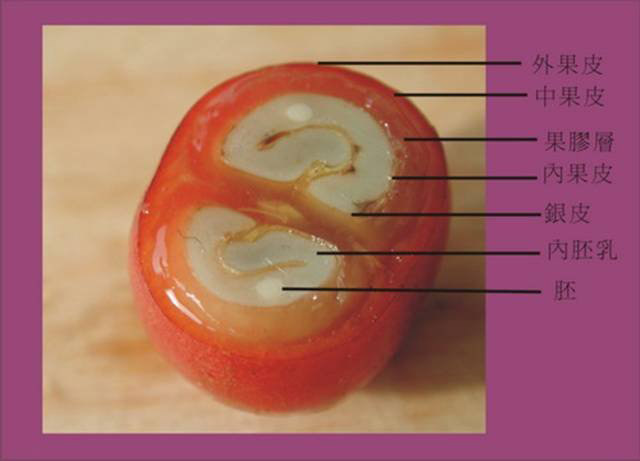
The treatment method of high-quality coffee beans-details of coffee refining method
There are a pair of oval seeds in the center of the fruit of the coffee tree, which are covered with exocarp, endocarp and pulp. Ripe fruit will rot in a short period of time without treatment, so the purpose of refining is to enable coffee beans to be preserved for a long time, easy to store and circulate. Figure (1) Coffee fruit Coffee fresh fruit should be dealt with immediately after being harvested. Refining is to remove the peel and pulp of coffee fruit
2015-11-30 Boutique coffee beans treatment method coffee making method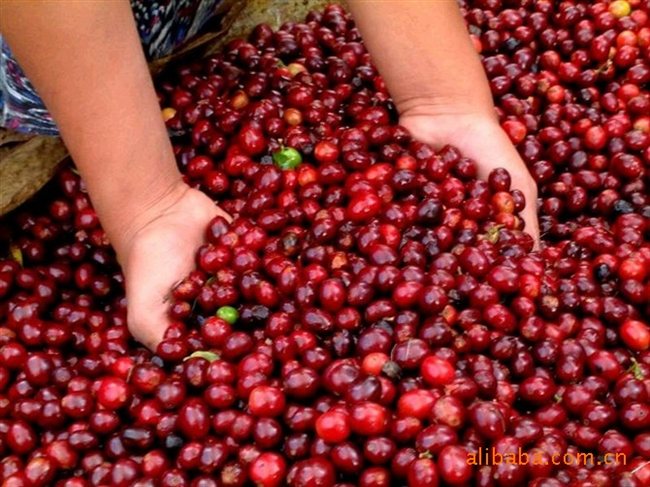
The evolution of coffee from fruit to raw beans to understand the change process of coffee beans
In the middle of the fruit of coffee is a pair of oval seeds, which are covered with outer skin, inner pulp and pulp. Ripe fruit spoils in a short time without treatment. Refining is to remove the skin and pulp of the coffee fruit, and then take out the seeds. Generally speaking, about 1 kg of raw coffee beans can be obtained from 5 kg of coffee fruit. The refining methods include drying type, washing type, and compromise between the two.
2016-01-04 Coffee fruit change raw beans evolution process understanding coffee beans artifacts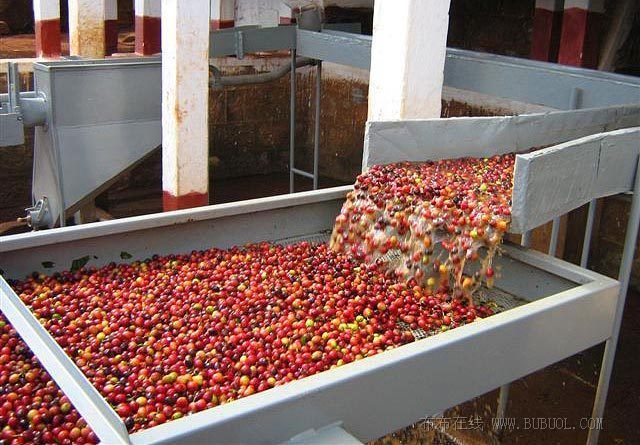
The treatment method of Coffee Fruit-- the introduction of Water washing method and the difference between Water washing method and Solar method
When the coffee fruit is harvested from the mountain, the next step is to remove the peel and pulp of the coffee beans. There are two main ways of treatment: washing and solarization. But the ultimate determining factor is whether there is enough water to use. Some special boutique coffees are both insolated and washed. Washing requires the use of special machinery and equipment and adequate water sources.
2016-01-11 Coffee fruit treatment method washing introduction and sun difference explanation
Coffee bean production process and common coffee processing methods
Process Description: 1. Remove the shell and remove the coffee shell. 2, choose beans, remove moldy coffee beans. 3, cleaning, washing coffee with water to wash away surface dirt. 4. Bake, bake at 90~100℃ for half an hour. 5. Grinding: grinding and crushing the processed coffee with a roller grinder. 6, pulping (add water), add coffee about 3 times the 95℃ hot water
2014-07-08 Coffee knowledge Coffee bean production Coffee encyclopedia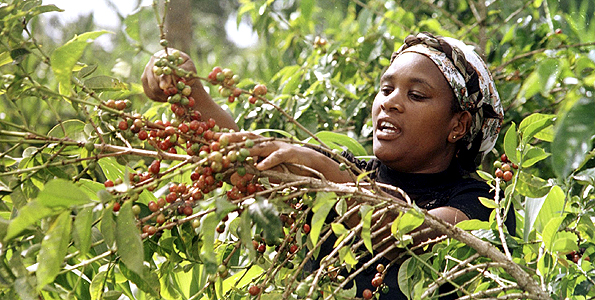
Coffee from fruit to raw bean dry washing semi-washing refined Colombian coffee beans
Coffee changes from fruit to raw bean there is a pair of oval seeds in the middle of the fruit, which are covered with outer skin, inner pulp and pulp. Ripe fruit spoils in a short time without treatment. Refining is to remove the skin and pulp of the coffee fruit, and then take out the seeds. Generally speaking, about 1 kg of raw coffee beans can be obtained from 5 kg of coffee fruit. The refining methods include drying and washing.
2016-03-29 Coffee fruit turn raw beans dried washed refined Colombian coffee beans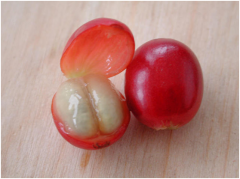
The processing method of high-quality coffee beans how to turn coffee fruits into coffee beans?
There are a pair of oval seeds in the center of the fruit of the coffee tree, which are covered with exocarp, endocarp and pulp. Ripe fruit will rot in a short period of time without treatment, so the purpose of refining is to enable coffee beans to be preserved for a long time, easy to store and circulate. Figure (1) Coffee fruit Coffee fresh fruit should be dealt with immediately after being harvested. Refining is to remove the peel and pulp of coffee fruit
2015-11-10 Boutique coffee beans treatment method coffee how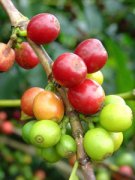
What is honey treatment? Costa Rican honey treated boutique coffee beans
Honey treatment is a kind of treatment between sun treatment and water washing. It keeps the coffee clean by washing, and because it is dried in the sun together with the pulp mucosa, it greatly increases the sweetness and caramel flavor of the coffee (the sugar content of the pulp mucosa is extremely high). Honey treatment first appeared in Costa Rica in Central America, mainly because of some high elevations in Central America.
2016-05-14 What treatment Costa Rica boutique coffee beans a kind of between the sun
Honey-treated boutique coffee beans different coffee flavors in Costa Rica
Honey treatment is a kind of treatment between sun treatment and water washing. It keeps the coffee clean by washing, and because it is dried in the sun together with the pulp mucosa, it greatly increases the sweetness and caramel flavor of the coffee (the sugar content of the pulp mucosa is extremely high). Honey treatment first appeared in Costa Rica in Central America, mainly because of some high elevations in Central America.
2016-05-08 Processing boutique coffee beans Costa Rica ways different coffee flavor treatment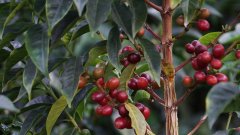
What is honey treated coffee beans treated with honey in different ways
Honey treatment is a kind of treatment between sun treatment and water washing. It keeps the coffee clean by washing, and because it is dried in the sun together with the pulp mucosa, it greatly increases the sweetness and caramel flavor of the coffee (the sugar content of the pulp mucosa is extremely high). Honey treatment first appeared in Costa Rica in Central America, mainly because of some high elevations in Central America.
2016-05-06 What treatment coffee beans different ways a kind of between sun washing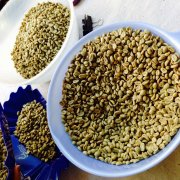
Coffee bean processing coffee washing method or drying method is better
The refined processing of coffee beans has about 8 processes, such as rough processing, separation, classification, fermentation, drying, shelling, polishing, sorting and so on. There are two ways to prepare coffee beans for the baking process. The method chosen has a significant impact on the final value and quality of coffee. The cheapest processing method is called drying, which is used for lower grade coffee beans and higher quality coffee beans.
2015-11-04 Coffee beans processing coffee washing drying which one?
Treatment methods of coffee beans
1.2 washing is the most popular treatment method at present, and most of the boutique coffee beans will choose the washing method. Washing coffee refining process: harvesting storage tank (removal of impurities and immature beans) pulp removal machine (removal of pulp and impurities) fermentation tank (removal of mucous membrane attached to endocarp) washing pool (select light and hard beans) sun drying field (or dryer)
2016-06-05 Coffee beans treatment method