“Plants” search results (4986)
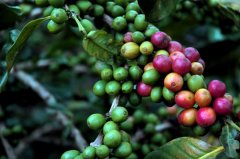
Where do coffee bean brands come from?
Good coffee beans should pay attention to their producing areas. Most coffee beans come from Asia, Africa or North America. Although there are not many places suitable for growing coffee beans in Europe and other places, there are corresponding processing plants there, which have certain disadvantages. The formation of coffee comes from coffee beans, if the coffee beans are not good, then the coffee we taste will have great problems, especially the taste.
2015-08-20 Coffee beans brands from which regions good coffee beans attention producing areas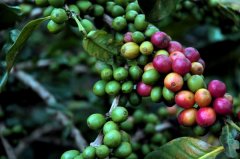
Where do coffee bean brands come from?
Good coffee beans should pay attention to their producing areas. Most coffee beans come from Asia, Africa or North America. Although there are not many places suitable for growing coffee beans in Europe and other places, there are corresponding processing plants there, which have certain disadvantages. The formation of coffee comes from coffee beans, if the coffee beans are not good, then the coffee we taste will have great problems, especially the taste.
2015-11-13 Coffee beans brands from which regions good coffee beans attention producing areas
Know ten wonderful truths about coffee
It all started with dancing goats. According to legend, an Ethiopian shepherd named Caldi discovered the coffee plant. In the process of herding the sheep, he found that when the goat ate a kind of fruit from the coffee tree, it would be very excited and strange, so he tried to eat some. Then a monk found Caldi full of energy and asked him.
2014-09-27 Coffee knowledge coffee truth coffee encyclopedia
Ethiopian Sidamo coffee beans with special flavor introduce boutique coffee Ted Manor
Yejia Xuefei is a brand of beans made up of special flavor beans from special areas. At first, it was named after the homonym of the small town of Yefa, a small producing area in Ethiopia and Sidamo province. There are several places producing Yega Xuefei, and each place has a lot of bean processing plants, which we call processing plants. Yega Xuefei classification is very strict, not high-grade Yega Xuefei, generally to use Xida
2016-07-02 Special flavor Ethiopia Dharma coffee beans introduction boutique coffee Ted
Coffee basics 10 wonderful truths about coffee
It all started with dancing goats, and according to legend, it was an Ethiopian shepherd named Kaldi who discovered the coffee plant, and while he was herding, he noticed that goats acted strangely when they ate a fruit from the coffee tree, so he tried to eat some of it. Then a monk noticed Cardi's energy and asked him
2014-12-24 coffee basics common sense about ten wonderful truth everything is from dance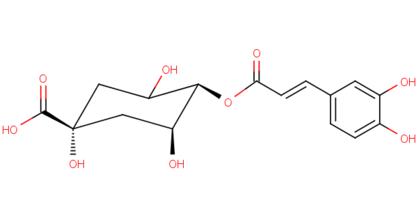
SCAA Emma Bladyka chlorogenic acid: the importance of chemical changes in chemistry and reality baking
What are they? Many plants contain chlorogenic acid in addition to caffeine. Acids have this very similar structure in the Luyuan Group, and the composition of an ester usually includes caffeic acid and quinic acid as components. All chlorogenic acids belong to a larger class of phenolic acids. In nature, phenolic acids are usually used as defensive compounds by plants, or as a signaling mechanism between plants and soil microorganisms. they
2016-01-15 SCAA Emma Bladyka Green Plains Chemistry reality Baking
Dominican Coffee Bean Features Dominican Coffee Estate Santo Domingo Coffee
Dominican coffee is grown in upland and lowlands and tastes slightly different. Highland plants are sour, but rich in taste; lowland plants are less sour and smoother in taste. In recent years, specialty coffee has become popular. Some Dominican estates produce high-quality coffee beans with rich aroma and rich taste, with a moderately bright acidity. They have been compared with the more famous Puerto Rico beans or teeth.
2016-07-26 Dominica Coffee Bean Characteristics Coffee Manor Santo Mingo
Ten wonderful truths about coffee all started with dancing goats.
It all started with dancing goats. According to legend, an Ethiopian shepherd named Caldi discovered the coffee plant. In the process of herding the sheep, he found that when the goat ate a kind of fruit from the coffee tree, it would be very excited and strange, so he tried to eat some. Then a monk found Caldi full of energy and asked him.
2015-10-09 About coffee ten wonderful truth everything it starts with dancing goat
Control of Diseases and pests in Coffee
(1) Pest control 1. Coffee tiger longicorn beetles are distributed in all coffee producing areas in the world, and also occur in Yunnan, Guangxi and Hainan Island in China. It is one of the major pests of coffee. The coffee tiger longicorn beetle harms the coffee trunk for more than 2 years. At first, it eats between the cambium and xylem, and then eats the xylem. The victim was in a curved tunnel filled with sawdust.
2015-10-07 Coffee diseases and pests control diseases pests
Coffee experts may not understand the "cold knowledge" of coffee
There are about 1 billion people around the world, and the first thing they do every morning is to have a cup of coffee to start their day, but the secret behind the coffee may not be known. It is said that the coffee was found by the shepherd. The most widespread story is that an Ethiopian shepherd named Kaldi found his animal excited after eating ripe coffee beans. A coffee tree
2015-10-21 Coffee people not necessarily understand cold knowledge the world about 1 billion people every day
How to classify coffee beans
Plant classification Coffee tree belongs to the evergreen tree of Rubiaceae. Rubiaceae plants have been dominated by plants with special effects since ancient times, such as quinine tree, which is regarded as a specific drug for malaria, and Dugan, which is used to treat Amiba dysentery. Coffee is defined as the most unique alkaloid drinking flora. Usually after sowing for two to three years, coffee trees can grow to a height of about five to ten meters, but to prevent the loss of coffee beans.
2014-07-08 Coffee knowledge coffee bean classification coffee encyclopedia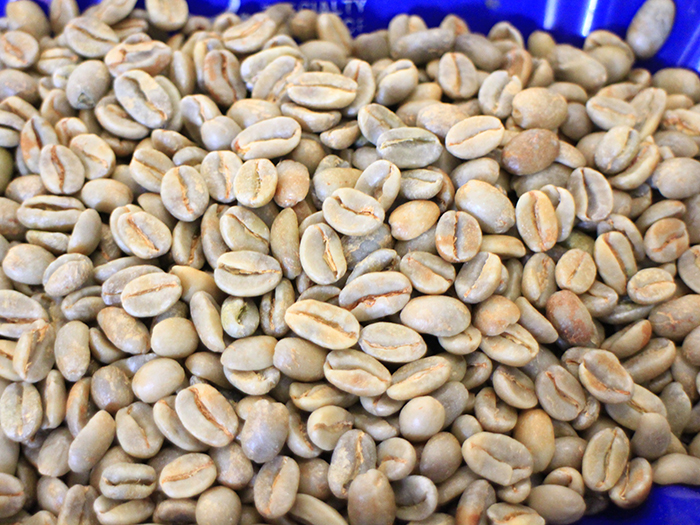
Raw beans of Ethiopian Sidamo Coffee treated with Water washing G2 Grade imported Coffee unbaked beans
Today, there are still a large number of wild Arabica coffee trees growing in many parts of Ethiopia, averaging between 4200 and 6800 feet above sea level. Now there is a trend of small cultivation, generally planting banana trees for shade at the same time, but due to lack of agricultural technology, herbicides and pesticides are less used. Coffee is Ethiopia's main economic crop and the largest in the country.
2016-04-13 Ethiopia Dharma coffee raw beans washing treatment grade import roasting
Vietnam fine coffee beans Vietnam cat shit coffee?
According to the statistics of Vietnam Coffee Association, in 2000-2001 (from October 2000 to September 2001), Vietnam exported 874676 tons of coffee from 149 enterprises, among which the three largest exporters were OLAM Company (foreign-owned enterprise, 21326 tons), DAKMAN Company (joint venture, 18076 tons) and Vinafimex Company (local enterprise, 13719 tons). Vietnamese coffee
2016-07-04 vietnam boutique coffee beans cat poop coffee association business statistics
Coffee lovers have to know the knowledge of coffee cold
Coffee is one of the most popular drinks in the world. Although it is very popular, many people don't know it very well. Here are 15 little secrets behind coffee. After reading it, you'll know where it comes from, how much water it takes to grow a pound of coffee, and the past life of Kopi Luwak. 1. It's a pity that coffee is the second largest commodity in the world. Coffee lost to oil.
2015-11-21 Coffee lovers must not do not know knowledge coffee the world popular drinks
Common Diseases and pests in Coffee cultivation and Prevention and Coffee basic knowledge
(1) Pest control 1. Coffee tiger longicorn beetles are distributed in all coffee producing areas in the world, and also occur in Yunnan, Guangxi and Hainan Island in China. It is one of the major pests of coffee. The coffee tiger longicorn beetle harms the coffee trunk for more than 2 years. At first, it eats between the cambium and xylem, and then eats the xylem. The victim was a curved tunnel filled with sawdust.
2015-10-07 Coffee planting common diseases and insect pests control methods basics common sense
Why is the altitude of coffee plants so important?
Boutique coffee (specialty coffee) is also called specialty coffee selection coffee. It refers to coffee made from a small number of raw beans with excellent taste grown in an ideal geographical environment. Depending on the special soil and climatic conditions in which they grow, they have outstanding flavor. After strict selection and classification, this kind of coffee is hard in texture, rich in taste and stylish.
2016-06-02 Coffee plant altitude why so important
Reveal the magical use of coffee
Coffee is the largest drink in the world, and countless coffee grounds are discarded every day. What effect can coffee grounds have before they are discarded? This article tells you that besides being used as a drink, coffee has at least 20 wonderful uses that you don't care much about. So, please make good use of this common coffee and coffee grounds.
2014-06-04 Knowledge of coffee encyclopedia of coffee wonderful use of coffee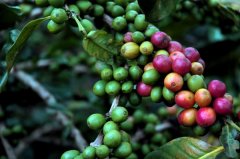
Where do coffee bean brands come from? Good coffee beans should pay attention to their producing areas.
Good coffee beans should pay attention to their producing areas. Most coffee beans come from Asia, Africa or North America. Although there are not many places suitable for growing coffee beans in Europe and other places, there are corresponding processing plants there, which have certain disadvantages. The formation of coffee comes from coffee beans, if the coffee beans are not good, then the coffee we taste will have great problems, especially the taste.
2015-09-17 Coffee beans brands from which region good attention producing area coffee
The appeal of coffee is the perfect blend of caffeine, aroma and flavor
Researchers have sequenced coffee's genome, revealing the evolution of caffeine in the plant and providing insights into the popular drink's flavor and aroma. The genome sequence also gave scientists a tool to quickly locate specific genes on specific coffee chromosomes, a tool that could help them improve coffee breeding and accelerate the development of new coffee products.
2015-09-07 coffee attraction caffeine gas and flavor perfect blend researcher already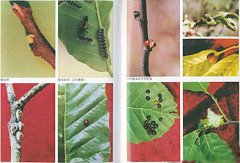
Common Coffee Diseases and pests in Coffee cultivation and Control methods
It is distributed in all coffee producing areas in the world, and it also occurs in Yunnan, Guangxi and Hainan Island in China. It is one of the major pests of coffee. Coffee longicorn beetles, which damage the coffee trunk by larvae for more than 2 years, initially eat between the cambium and xylem, and then eat (1) pest control. 1. Coffee tiger longicorn beetles are distributed in all coffee producing areas in the world. Yunnan, Guangxi and Hainan, China
2015-02-16 Coffee common sense planting common diseases and insect pests prevention and control methods