“Picking” search results (5095)
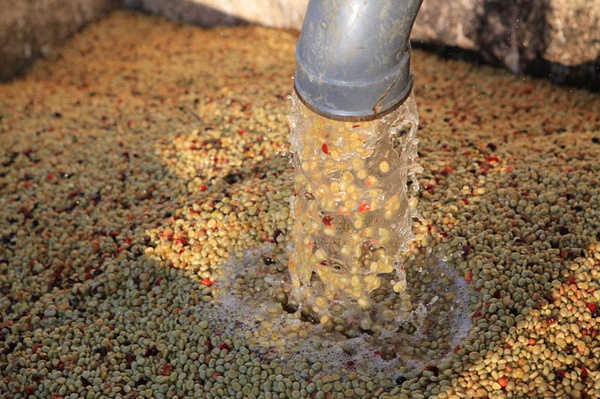
Different treatment methods of raw coffee beans are analyzed in detail.
After picking, coffee fruits need to go through a series of processes before they can become what we call coffee raw beans. This series of processes are often referred to as the handling of raw coffee beans or the rough processing of raw coffee beans in the industry. How do coffee beans get coffee there is a pair of seeds in the middle of the fruit, which are wrapped in the outer skin, pulp and endocarp. The ripe coffee fruit should stand after picking.
2015-11-20 Details analysis coffee raw beans various different treatment methods picking
Introduction of Matagalpa, the best quality coffee producing area in Nicaragua
Matagalpa is the coffee producing area that produces the highest quality coffee in Nicaragua, and there is a lemon tree (El Limoncillo) in a heavyweight coffee estate worth introducing. The manor is located in the plateau of Matagalpa between 950m and 1300m above sea level, and there are towering coniferous forests around the coffee trees, providing shade for the growth of coffee trees. This allows coffee trees to get sunlight.
2016-06-29 Nicaragua premium coffee producing areas Mataga Erpa introduction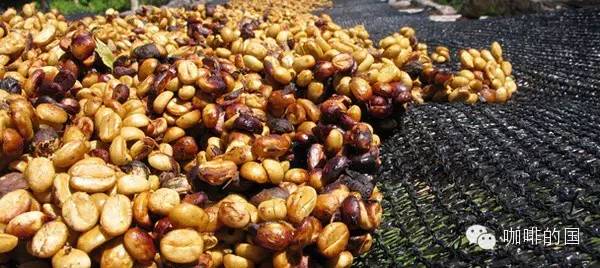
About the treatment of coffee beans after picking, I want to know the difference between washing and sun-drying and honey treatment in Ethiopia.
Tanning is a traditional method for the initial processing of coffee beans, and at present, almost all coffee-growing countries such as Ethiopia and Yemen still use solarization to treat raw beans. Sun treatment will first identify sunken beans in the sink, that is, ripe or half-ripe beans are spread in the drying farm for natural drying. The specific time depends on the local climatic conditions, which usually takes two to four weeks.
2016-04-25 About coffee beans picking after ideal understanding washing tanning treatment difference
World Coffee Manor production area introduction: coffee producing country Brazil Cafes Do Brazil (part two)
Coffee varieties Arabica and Robusta are produced, of which Arabica accounts for 70% to 80%. In Arabica coffee, the more common varieties are Modo Novo, Catuai, Bourbon, Maragoripe and so on. Coffee harvest can have three or four harvest seasons in a year. Mechanical picking is very common. The method of picking is very different from that of other boutique countries. Mechanical picking process
2015-12-18 World Coffee Manor producing area introduction producing country Brazil Cafes Bra
Introduction to the structure diagram and growth process of coffee bean structure roaster
The harvested coffee berries need further treatment, usually in two ways. One is water washing, which is popular in Central America and parts of Africa; freshly harvested coffee berries separate the peel from the beans manually or mechanically, and then soak in water for 2 to 3 days. In this way, the pulp and sticky matter attached to the coffee beans will be removed. Then there is the Qing Dynasty.
2016-10-18 Coffee beans raw beans structure roaster structure diagram growth process introduction harvest
Introduction to the structure diagram and growth process of coffee bean structure roaster
The harvested coffee berries need further treatment, usually in two ways. One is water washing, which is popular in Central America and parts of Africa; freshly harvested coffee berries separate the peel from the beans manually or mechanically, and then soak in water for 2 to 3 days. In this way, the pulp and sticky matter attached to the coffee beans will be removed. Then there is the Qing Dynasty.
2016-10-18 Coffee beans raw beans structure roaster structure diagram growth process introduction harvest
The harvest method of fine coffee varies from place to place.
The harvest time and method of coffee vary from place to place, generally speaking, once or twice a year (sometimes up to three or four times). The harvest time is mostly in the dry season. In Brazil, for example, around June, it starts in the north-eastern state of Bahia and ends in October in the southern state of Parana. The harvest period of Central American countries is from September to next year.
2014-10-15 Coffee knowledge boutique coffee science coffee picking coffee beans
The way of picking beans from Coffee Fruit the processing of Coffee Cherry
The beans are sweeter when the coffee is picked after it is red and ripe. If coffee farmers in order to save trouble, no matter whether the coffee fruit is ripe or not, picking it together will make the coffee sour and astringent, so the fine coffee must choose the ripe red fruit. Distinguish between floating beans and sunken beans: coffee fruits picked from coffee fields should not be mistaken and must be sent to the processing plant on the same day. Immature
2015-03-27 Coffee beans way cherry processing process
Basic knowledge of Fine Coffee the way of picking beans from Coffee Cherry
The beans are sweeter when the coffee is picked after it is red and ripe. If coffee farmers in order to save trouble, no matter whether the coffee fruit is ripe or not, picking it together will make the coffee sour and astringent, so the fine coffee must choose the ripe red fruit. Distinguish between floating beans and sunken beans: coffee fruits picked from coffee fields should not be mistaken and must be sent to the processing plant on the same day. Immature
2014-12-19 Boutique coffee basics common sense cherries beans way red ripe
Taste and Flavor characteristics of Jamaica Blue Mountain Coffee
80% of Jamaica is covered by mountains, with steep mountains and coffee trees almost entirely on rugged slopes. Therefore, the process of picking coffee beans during the harvest period is very difficult, and non-local skilled female workers are simply not competent. When picking, we should choose the right mature coffee beans, immature or ripe coffee beans will affect the quality of coffee. After picking
2016-06-27 Jamaica Blue Mountain coffee taste flavor characteristics introduction boutique
(turn) from coffee tree to coffee
Coffee is a perennial evergreen shrub or small tree of Rubiaceae. It is a horticultural perennial cash crop with the characteristics of fast growth, high yield, high value and wide market. Wild coffee trees can grow to a height of 5 to 10 meters, but coffee trees planted on the manor are often cut to less than 2 meters in order to increase their fruit and facilitate harvesting. The first flowering period of a coffee tree is about the age of the tree.
2014-08-18 Coffee tree coffee tree growth coffee encyclopedia
Honey-treated Nicaraguan Coffee introduces Los Congo Manor Joy Manor Matagalpa producing area
Lemon Tree Manor also processes coffee in a honey-treated way. After the coffee fruit is actually picked, the coffee with its exocarp removed is put on the African shed to dry. Compared with the traditional way of placing coffee directly on the ground to dry coffee, using African shed to dry coffee can reduce more pollution in the drying process, avoid producing more miscellaneous smell, and finally improve the quality of coffee.
2016-06-28 Processing Nicaragua coffee introduction Los Congo Manor Joy Mataga
Introduction of Manor in Coffee producing area of Nicaragua introduction of Tianyi Manor in Matagalpa
Matagalpa is the coffee producing area that produces the highest quality coffee in Nicaragua, and there is a lemon tree (El Limoncillo) in a heavyweight coffee estate worth introducing. The manor is located in the plateau of Matagalpa between 950m and 1300m above sea level, and there are towering coniferous forests around the coffee trees, providing shade for the growth of coffee trees. This allows coffee trees to get sunlight.
2016-07-06 Nicaragua coffee producing area manor introduction boutique coffee beans Mataga Erpa
Introduction to the method of describing the taste and flavor of coffee varieties with the characteristics of coffee grindability in Tian Chi Manor, Nicaragua
The suitable climate provides an excellent growth environment for the cultivation of coffee. The mineral-rich pozzolanic soil provides abundant nutrients for the cultivation of coffee trees. High-quality Nicaraguan coffee is also grown in the northern and central highlands of the country. The best coffee is produced in Matagalpa (Matagalpa), which is highly respected by coffee lovers all over the world.
2016-10-14 Nicaragua Divine Gift Manor Coffee Grinding characteristics Variety Taste Flavor description
Barista course
Climate is the decisive factor for coffee cultivation. Coffee trees are only suitable for growing in the tropics or subtropics, so the zone between latitude 25 degrees south and north is generally called
2014-07-16 Coffee knowledge barista coffee training
The harvest and processing process of coffee beans and two basic processing methods
Picking: due to climatic differences, the harvest season is usually from September to March in the Northern Hemisphere and from April to August in the Southern Hemisphere. When the coffee beans are ripe, they can be picked. In many alpine slopes, coffee must be picked manually. In relatively flat producing areas such as Brazil, Australia and Hawaii, they can be picked by machines. These two methods
2015-11-09 Coffee beans harvesting processing process and two basic treatment methods picking
Introduction to the Environmental Flavor and Taste of the Fine Coffee Bean growing area in Yersaro, Costa Rica
All the coffee trees planted in Costa Rica are Arabica coffee trees. through improvement, the quality of coffee beans is better and more stable. in order to facilitate picking, coffee trees are kept at a height of about 2 meters through continuous pruning. The coffee that people eat is the taste of the seeds in the fruit that are brewed in water. After picking raw coffee beans, the peel, pulp, seed film and sun exposure must be removed.
2016-08-17 Costa Rica Yelsa Romanian boutique boutique coffee beans planting producing areas environment
Coffee knowledge the growth process of coffee
Manual picking: less impurities, good taste, slow speed, high cost machine picking: many impurities, poor taste, high speed, low cost
2014-09-18 Coffee knowledge coffee growth growth process
Taste of Brazilian Coffee Flavor Manor area introduces Brazilian boutique coffee beans
As the largest coffee producer in the country, Brazil supplies commercial beans and fine beans for the global coffee market. Instant coffee is also a critical component of coffee production in Brazil. Western coffee grows mostly at the height of 2000-3000 feet feet, about 500-100m. There are also heights up to 4000 feet, about 1200 m. However, absolutely pay other East Africa, Central and South America need manufacturing countries, easily 5000 feet
2016-07-29 Brazil coffee flavor taste manor producing area introduction boutique coffee beans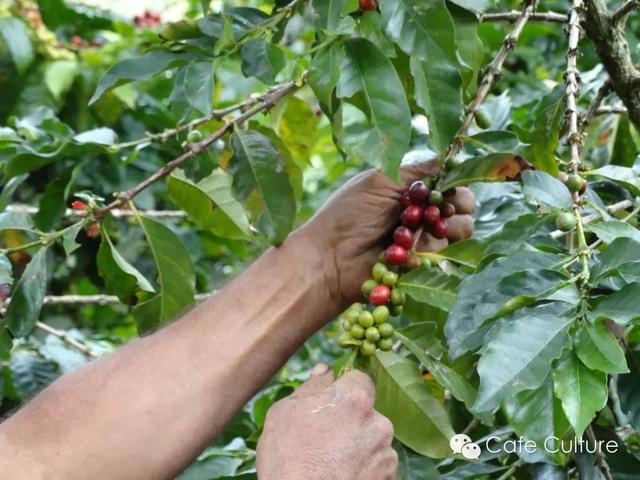
Boutique Coffee beans: boutique Coffee vs Commercial Coffee guarantee the quality of Coffee from the Source
Why is boutique coffee called boutique coffee in the small coffee town of Lisalda in Caldas, Colombia? The quality of fine coffee is much higher than that of ordinary commercial coffee, but why? Does it mean that boutique coffee is born more delicious? Of course not! The process of producing micro-batch boutique coffee is complex and tedious. From the selection of fertilizers to the shaded area of trees, from planting altitude to
2015-12-07 Boutique Coffee beans Coffee Commodity Source guarantee quality Taste honesty Goran