“One Tree” search results (4000)

The planting temperature of coffee tree is between 15 degrees and 25 degrees.
The origin of the coffee tree is Ethiopia in Africa. In botany, coffee trees belong to the evergreen trees of the subgenus Rubiaceae, and coffee beans, commonly known as coffee beans, are actually the seeds of the fruit of coffee trees. They are called coffee beans only because they are shaped like beans. Climate is the decisive factor for coffee cultivation. Coffee trees are only suitable for growing in the tropics or subtropics, so latitude 25 degrees south and north.
2015-10-07 Coffee planting condition temperature between 15 degrees -25 degrees between coffee
Coffee knowledge introduces how many coffee beans can grow from a coffee tree
Production method (for two) 1. Make espresso with 16g coffee powder and 260cc water in Italian steam. You can also get espresso by brewing 40g coffee powder (non-Italian brewing utensils) with 120cc water. 2. First add the appropriate sugar to the espresso, then prepare two glasses and fill them with ice. 3. Pour the pre-brewed espresso into the glass slowly
2016-06-08 Coffee knowledge introduction one tree tree can grow how much coffee beans production method
How many coffee beans can grow from a coffee tree?
From fruit to raw coffee beans: a coffee tree can harvest 3-5 kg of fruit, and raw coffee beans account for 1. 5% of the fruit quality. Going from fruit to raw coffee beans is really a time-consuming and laborious task. Arabica and Robusta Arabica coffee account for about 2% of the world's coffee production. The plant is not suitable for high temperature, low temperature, more rain and less rain. The coffee beans are oval and flat.
2015-10-15 One coffee can grow how much coffee beans fruit one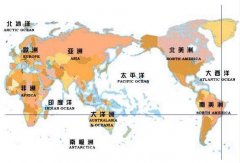
Brazilian Bourbon Santos Coffee Bourbon Indian Arabica Coffee Tree
Brazilian bourbon Santos coffee flavor and taste characteristics: a variety of flavors, low acidity, taste lubrication. Brazil is a rich and beautiful land, with the Atlantic Ocean in the east, more than 7400 meters of coastline and the famous Andes in the west. Brazil is also the world's largest coffee producer, known as the coffee country. Brazil is vividly compared to the giant and monarch of the coffee world. BA
2015-09-12 Brazil Bourbon Doz Coffee Allah Bic du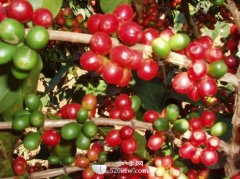
Coffee trees grow Coffee trees, Coffee Flowers and Coffee fruits
The coffee tree is an evergreen tree with small white flowers and green fruit that does not turn red until it is ripe. A normal coffee tree can usually grow to a height of 5 to 10 meters, but bean farmers often prune it to less than 2 meters for harvest convenience. After flowering, there are many dark green oval fruits, and the mature fruits change from dark green to bright red, due to the color and cherry.
2015-01-07 Coffee growth knowledge coffee one evergreen trees white florets green
Brief introduction of Coffee knowledge Coffee Tree species
MARAGOGYPE [Marijib] MARAGOGYPE is pictographic soybean-[elephant bean] in text. First discovered in 1870, it may have originated in southern Africa [Mozambique or Angola]. When introduced to Brazil, it was widely cultivated because of its popularity. Because it belongs to soybeans and crispy tissue, it provides sour, sweet and fragrant, all excellent
2014-09-11 Coffee knowledge coffee tree coffee tree species coffee encyclopedia
Botanical classification of coffee beans
Coffee tree belongs to the evergreen tree of Rubiaceae. Since ancient times, most of the plants of Rubiaceae are plants with special effects, such as quinine tree, which is regarded as a specific drug for malaria, and Dugan, which is used to treat amoeba dysentery. Coffee is defined as the most unique alkaloid drinking flora. Usually after sowing for two to three years, coffee trees can grow to a height of about five to ten meters, but to prevent coffee beans from losing their aroma and flavor.
2016-06-12 Coffee species coffee beans botany taxonomy coffee tree genus grass family evergreen Joe
Introduction of Manor and Lemon Tree Manor in Nicaraguan Coffee Flavor and Taste area
The suitable climate provides an excellent growth environment for the cultivation of coffee. The mineral-rich pozzolanic soil provides abundant nutrients for the cultivation of coffee trees. High-quality Nicaraguan coffee is also grown in the northern and central highlands of the country. The best coffee is produced in Matagalpa (Matagalpa), which is highly respected by coffee lovers all over the world.
2016-07-19 Nicaragua coffee flavor taste producing area manor lemon tree introduction suitable
Coffee tree
Coffee tree coffee (Xoffea arabica Linn) coffee is a perennial evergreen shrub or small tree of Rubiaceae. It is a horticultural perennial cash crop with the characteristics of fast growth, high yield, high value and wide market. Wild coffee trees can grow to 5 to 10 meters high, but coffee trees planted on manors are often cut to less than 2 meters in order to increase fruit and facilitate harvesting.
2014-08-08 Coffee knowledge planting of coffee trees coffee encyclopedia
Coffee is one of the three biggest drinks in the world.
The word Coffee comes from a small town in Ethiopia called kaffa. In Greek, Kaweh means strength and passion. Coffee, tea and cocoa are called the three major drinks in the world. Coffee tree is a small evergreen tree of Rubiaceae. Daily coffee is made of coffee beans combined with a variety of cooking utensils, and coffee beans refer to coffee fruit.
2015-09-02 Coffee World Big three Beverage one the word comes from
Analysis of the process from coffee tree planting to coffee bean harvest
Coffee trees take 3-5 years from planting to fruiting. 6-10 years of coffee trees are the most likely to bear fruit, about 15-20 years, is the harvest period. Coffee trees are usually bred in nurseries and grow into saplings, and then moved to coffee farms a year later, in full compliance with the way the Arabs planted and cultivated coffee trees. Coffee trees will continue to take root downward and upward in the first four or five years of their growth.
2015-05-14 Coffee planting coffee beans harvest process analysis coffee results 3-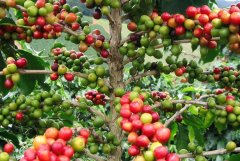
Nicaragua and lemon tree estate manual picking method Matagalpa production
Specialty coffee is also known as specialty coffee. It refers to coffee made from green beans with excellent taste characteristics grown in a few extremely ideal geographical environments. Depending on the particular soil and climatic conditions in which they are grown, they have outstanding flavors. This type of coffee is carefully selected and graded for its hard texture, rich taste and wind.
2016-06-28 Nicaragua lemon tree estate artificial picking method mataga erpa Ma
The production process of coffee beans A coffee tree can harvest 3 Mel 5 kg of fruit.
A coffee tree can harvest 3-5 kg of fruit, and raw coffee beans account for 1. 5% of the fruit quality. Going from fruit to raw coffee beans is really a time-consuming and laborious task. Arabian, Robusta and Librian Arabian coffee account for about 2% of the world's coffee production. The plant is not suitable for high temperature, low temperature, more rain and less rain. Coffee beans are oval flat and have a high height.
2015-11-10 Coffee beans production process one coffee tree can harvest 3-5 kg fruit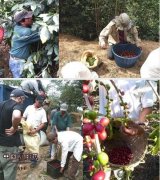
It takes 3-5 years from coffee tree planting to coffee bean harvest.
Coffee trees take 3-5 years from planting to fruiting. 6-10 years of coffee trees are the most likely to bear fruit, about 15-20 years, is the harvest period. Coffee trees are usually bred in nurseries and grow into saplings, and then moved to coffee farms a year later, in full compliance with the way the Arabs planted and cultivated coffee trees. Coffee trees will continue to take root downward and upward in the first four or five years of their growth.
2015-11-02 Coffee planting coffee beans harvest 3-5 years coffee fruit 3-5
The history of coffee, one of the three biggest drinks in the world, how do people know coffee Arabica good coffee
Coffee is a beverage made from roasted coffee beans, which is the main drink popular in the world along with cocoa and tea. Coffee tree is a small evergreen tree of Rubiaceae. Daily coffee is made from coffee beans combined with various cooking utensils, and coffee beans refer to the nuts in the fruit of coffee trees, which are roasted in an appropriate way. A cup of standard coffee
2016-04-06 World Big three drink one Coffee History people how know Rabbi
How much coffee does the coffee tree produce in a year?
At present, the most important coffee beans in the world come from Arabica, Robasta and Liberia. these three varieties of coffee beans are the three original species of coffee trees, and the quality of coffee beans produced by other coffee trees is also higher than that of other coffee trees. Arabica Coffee Tree, which originated in Ethiopia, accounts for 70% of the world's coffee production, and is a world-famous coffee product.
2016-06-04 Coffee year how much coffee type currently the world the most important coffee beans
General knowledge of boutique coffee from coffee tree planting to coffee bean harvest
Coffee trees take 3-5 years from planting to fruiting. 6-10 years of coffee trees are the most likely to bear fruit, about 15-20 years, is the harvest period. Coffee trees are usually bred in nurseries and grow into saplings, and then moved to coffee farms a year later, in full compliance with the way the Arabs planted and cultivated coffee trees. Coffee trees will continue to take root downward and upward in the first four or five years of their growth.
2014-12-19 Boutique coffee common sense planting coffee beans harvest results 3-
Common sense of coffee tree
The origin of the coffee tree is Ethiopia in Africa. In botany, coffee trees belong to the evergreen trees of the subgenus Rubiaceae, and coffee beans, commonly known as coffee beans, are actually the seeds of the fruit of coffee trees. They are called coffee beans only because they are shaped like beans. Climate is the decisive factor for coffee cultivation. Coffee trees are only suitable for growing in the tropics or subtropics, so latitude 25 degrees south and north.
2014-08-08 Coffee knowledge coffee tree common sense coffee encyclopedia
Nicaragua Lemon Tree Estate Coffee Flavor Description Grind Region Characteristics Taste Introduction
Nicaragua is located in central Central America, bordering both the Pacific Ocean and the Caribbean Sea. It has a beautiful tropical feel. Although it is one of the poorest countries in Central America, it produces coffee that is loved by coffee lovers. The development of coffee industry in Nicaragua is not easy. Due to the influence of civil war, coffee production has dropped sharply for a time, but it has shown an upward trend in recent years. although
2016-10-09 Nicaragua lemon tree estate coffee flavor description grind appellation characteristics
The fruit of coffee tree is picked. Introduction to the process of how to make coffee.
In the washing type, the harvested fruit is poured into the sink, the floating matter is removed, the fruit in the water is moved to the pulp removal machine, the outer skin and pulp are removed, and then put back into the tank to remove the floating matter, the core in the water is poured into the fermentation tank, soaked for half a day or one day, the colloid on the surface of fermented beans is removed, washed, dried or mechanically dried, and the endocarp is removed on the sheller to form commercial raw coffee beans.
2016-10-20 Coffee tree fruit really coffee beans how to make process introduction washing harvest