“Nine kinds” search results (600)

Hawaiian Kona Coffee Flavor description Grinding characteristics Price Manor introduction
Kona coffee has always been grown at home. At first, only men were allowed to work in the coffee garden, and later women joined in. This kind of family production of Hawaiians preferred to rely on the efforts of their families rather than hiring workers to work, so it was normal for Hawaiians to have eight or nine children at that time. Since then, there have been new immigrants from the Philippines and the United States.
2016-10-09 Hawaii Kona coffee flavor description grinding characteristics price producing area manor
Hawaiian Coffee, Kona Coffee, Fine Coffee Bean Flavor, taste, Manor characteristics
Kona coffee has always been grown at home. At first, only men were allowed to work in the coffee garden, and later women joined in. This kind of family production of Hawaiians preferred to rely on the efforts of their families rather than hiring workers to work, so it was normal for Hawaiians to have eight or nine children at that time. Since then, there have been new immigrants from the Philippines and the United States.
2016-08-16 Hawaii coffee Kona boutique coffee beans flavor taste manor producing area special
The kind of coffee
When tasting a single cup of coffee, you will see some information about the variety in addition to the country, region and geographical and climatic conditions. Such as Arabica, Robusta, Bourbon and so on.
2014-07-04 Coffee knowledge coffee encyclopedia coffee common sense
Ethiopian coffee producing area of Sidamo
According to the above four different modes of production, Ethiopian coffee can be divided into nine major coffee producing areas, including five boutique coffee areas: Sidamo, Yegashefi, Harald, Lim and Lekampu. and four general commercial bean producing areas: Gemma, Irugbo, Tibby and Bekaa. The sun or water washing methods are used in each district, and different treatment methods also affect the flavor.
2015-10-22 Ethiopia Coffee Xida producing areas according to the above
Introduction to the planting Environment of Kona Coffee area in Hawaii, USA
The planting mode of Kona coffee has always been the family planting mode. At first, only men were allowed to work in the coffee garden, and later women joined in. This kind of family production of Hawaiians preferred to rely on the efforts of their families rather than hiring workers to work, so it was normal for Hawaiians to have eight or nine children at that time. Since then, there have been new immigrants from the Philippines.
2016-06-17 United States Hawaii Kona Coffee producing area planting Environment introduction Model
Xidamo producing area Coffee in China Coffee Network
According to the above four different modes of production, Ethiopian coffee can be divided into nine major coffee producing areas, including five boutique coffee areas: Sidamo, Yegashefi, Harald, Lim and Lekampu. and four general commercial bean producing areas: Gemma, Irugbo, Tibby and Bekaa. Sun or water washing methods are used in each district, and different treatment methods also affect
2016-04-20 Xida producing area China Coffee Fruit Acid Ethiopia according to the above
Hawaiian coffee flavor with strong sour taste characteristics of boutique coffee bean manor
Kona coffee has always been grown at home. At first, only men were allowed to work in the coffee garden, and later women joined in. This kind of family production of Hawaiians preferred to rely on the efforts of their families rather than hiring workers to work, so it was normal for Hawaiians to have eight or nine children at that time. Since then, there have been new immigrants from the Philippines and the United States.
2016-09-22 With strong sour Hawaiian coffee flavor taste variety producing area characteristics
An introduction to Hawaiian Kona Coffee that makes people enjoy unique pleasure.
Kona coffee has always been grown at home. At first, only men were allowed to work in the coffee garden, and later women joined in. This kind of family production of Hawaiians preferred to rely on the efforts of their families rather than hiring workers to work, so it was normal for Hawaiians to have eight or nine children at that time. Since then, there have been new immigrants from the Philippines and the United States.
2016-06-29 Let people enjoy unique happy Hawaii Kona coffee introduction
Hawaiian fine coffee with rich aroma Kona coffee flavor Taste Manor Features
Kona coffee has always been grown using the family farming model. At first, only men were allowed to work in coffee gardens, but later women joined in. Hawaiian family production was more dependent on family effort than on hiring workers, so it was normal for Hawaiian families to have eight or nine children. Since then, there have been new immigrants from the Philippines and the United States.
2016-08-10 rich aromatic hawaiian boutique coffee kona flavor taste manor region
Where does Ethiopian coffee come from in Sidamo, Ethiopia? Ethiopia
According to the above four different modes of production, Ethiopian coffee can be divided into nine major coffee producing areas, including five boutique coffee areas: Sidamo, Yegashefi, Harald, Lim and Lekampu. and four general commercial bean producing areas: Gemma, Irugbo, Tibby and Bekaa. The sun or water washing methods are used in each district, and different treatment methods also affect the flavor.
2016-03-16 Ethiopia coffee Xida producing area from where
Common sense of Coffee in Sidamo producing area of Ethiopian Coffee
According to the above four different modes of production, Ethiopian coffee can be divided into nine major coffee producing areas, including five boutique coffee areas: Sidamo, Yegashefi, Harald, Lim and Lekampu. and four general commercial bean producing areas: Gemma, Irugbo, Tibby and Bekaa. The sun or water washing methods are used in each district, and different treatment methods also affect the flavor.
2015-02-12 Ethiopia Coffee Xida producing area Common sense according to
Coffee maker recommends Pacific Coffee's first capsule coffee machine
Pacific Coffee's first capsule coffee machine was unveiled on October 17th. Pacific Coffee launched its first self-branded capsule machine and a series of beverage capsules with up to 9 different flavors in mainland China, and jointly launched the products with the most unique artist design style with the famous designer, painter and artist, participated in the charity sale of the Sowers Action Scholarship Program in 2012.
2014-11-10 Coffee knowledge coffee machine recommendation capsule coffee machine
General knowledge of boutique coffee beans in Ethiopian coffee Sidamo producing area
According to the above four different modes of production, Ethiopian coffee can be divided into nine major coffee producing areas, including five boutique coffee areas: Sidamo, Yegashefi, Harald, Lim and Lekampu. and four general commercial bean producing areas: Gemma, Irugbo, Tibby and Bekaa. The sun or water washing methods are used in each district, and different treatment methods also affect the flavor.
2015-04-01 Ethiopia coffee Xida producing areas boutique coffee beans common sense
Hawaiian Coffee with slightly sour Flavor description of Grinding degree characteristics of varieties taste manor introduction
Kona coffee has always been grown at home. At first, only men were allowed to work in the coffee garden, and later women joined in. This kind of family production of Hawaiians preferred to rely on the efforts of their families rather than hiring workers to work, so it was normal for Hawaiians to have eight or nine children at that time. Since then, there have been new immigrants from the Philippines and the United States.
2016-10-12 Light sour Hawaiian coffee flavor description grinding characteristics varieties producing areas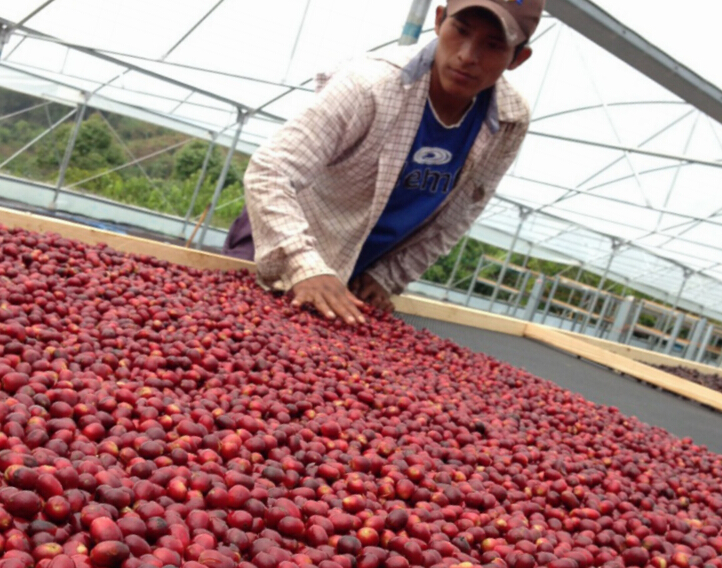
Columbia Super Santa Rita Coffee beans, where can I buy coffee beans online? Where can I buy coffee beans?
1. When buying beans online, you should pay attention to the production date, shelf life, packaging and sealing, the roasting degree of coffee beans, the types of coffee beans, and your utensils to determine what kind of beans you want. If you use blue mountain beans to make ESP, it is indeed a maverick way, but it is also too unprofessional and expensive, and the taste is not very good. The production date must be at least
2016-04-23 Columbia Super Santa Rita Coffee beans online where to buy where to go buy good
Some summaries about Q-GRADER examination
First, about the examination subject Q-GRADER is a test jointly certified by SCAA and CQI. At present, the examination will take 5 days, with a total of 22 subjects. If you pass all the subjects, you can get Q-GRADER certification. If you have failed subjects, you can pass the make-up exam within 18 months. Specific subjects include: ①, 1 general knowledge written test, 100 answers in 1 hour
2015-04-23 About Q-GRADER exams some summaries about exams subjects
Media companies write plans to make coffee in their spare time
In Yangchi Advertising Media Company, there is no one-size-fits-all writing room, no exclusive desk for everyone, let alone a fixed schedule from nine to five. There is only a sunny back garden and a bar responsible for making all kinds of delicious coffee and snacks. To many outsiders, this is coffee located in a remote corner of the Huguang Guild Hall in Chaotianmen.
2014-04-27 Media company busy hour plan leisure time coffee
World boutique Coffee Manor beans: a detailed introduction of beans from Sidamo, Ethiopia
According to the above four different modes of production, Ethiopian coffee can be divided into nine major coffee producing areas, including five boutique coffee areas: Sidamo, Yegashefi, Harald, Lim and Lekampu. and four general commercial bean producing areas: Gemma, Irugbo, Tibby and Bekaa. The sun or water washing methods are used in each district, and different treatment methods also affect the flavor.
2015-12-22 World boutique coffee manor Ethiopia Xida producing areas beans details
The famous boutique coffee area in the south of Egypt, Sidamo coffee producing area.
According to the above four different modes of production, Ethiopian coffee can be divided into nine major coffee producing areas, including five boutique coffee areas: Sidamo, Yegashefi, Harald, Lim and Lekampu. and four general commercial bean producing areas: Gemma, Irugbo, Tibby and Bekaa. The sun or water washing methods are used in each district, and different treatment methods also affect the flavor.
2016-06-18 Egypt South famous boutique coffee area Cedar coffee producing area Ethiopia
Some summaries about the Q-GRADER exam the barista exam
First, about the examination subject Q-GRADER is a test jointly certified by SCAA and CQI. At present, the examination will take 5 days, with a total of 22 subjects. If you pass all the subjects, you can get Q-GRADER certification. If you have failed subjects, you can pass the make-up exam within 18 months. Specific subjects include: ①, 1 general knowledge written test, 100 answers in 1 hour
2015-10-19 About Q-GRADER exam some summary coffee about