“Native” search results (3130)

How many varieties of coffee beans are there in the world
There are more than 70 kinds of coffee in the world, of which 3 are mainly cultivated in China. ① small seed species, also known as Arabica coffee, is native to Ethiopia and is cultivated in Taiwan, Fujian, Guangdong, Guangxi, Yunnan and Sichuan. Shrub, 4-6 m tall, with many branches in the basal part; leaves thinly leathery, ovate-lanceolate or lanceolate, entire or undulate, terminal bud green or bronzed, so
2016-06-05 Global total how many coffee beans varieties
Malaysian white coffee is a native product of Malaysia.
White coffee is a native product of Malaysia with a history of more than 100 years. White coffee does not mean that the color of coffee is white, but uses high-grade Liberica, Arabica and Robusta coffee beans and super skim cream raw materials to remove a large amount of caffeine after moderate and mild low temperature baking and special processing, remove the bitter and sour taste produced by high temperature carbon roasting, and remove the bitterness of coffee.
2015-06-23 Malaysia white coffee coffee local specialties
Ethiopian sun Ye Jia Xuefei Coffee cooked Bean Woka Cooperative Alim smallholder Yega Snow Coffee
Coffee bean details: country: Ethiopian level: G1 producing area: Yejia Xuefei Baking degree: shallow Baking method: traditional Solar treatment Variety: local Native species treatment Plant: Waka Cooperative Flavor: complex Fruit, Citrus raspberry, Black Chestnut, Green Apple Waka Cooperative is part of the YCFCU Cooperative Alliance (Yirgacheffe Coffee Farmers).
2015-07-24 Ethiopia Sun Yejia Sheffield Coffee cooked beans Waka Cooperative Ali
Sidamo Coffee Coffee producing area Coffee Manor Coffee Bean Cooking method
Why does Sidamo coffee taste so good? why is Sidamo coffee so popular? please look down at the coffee flavor is very diverse. And Sidamo coffee tastes good with different types of soil, microclimate and countless native coffee species, with towering mountains, highlands, plateaus, valleys and plains, diverse topography, and the geology of the area belongs to
2016-05-22 Boutique Coffee Dharma producing area Manor Coffee beans Cooking
Coffee botany
There are more than 60 kinds of coffee, but there are roughly two varieties of coffee grown commercially on a large scale, one is Arabica, accounting for about 70 percent of the world's coffee planting area, and the other is Robasta, accounting for about 30 percent of the world's coffee planting area. According to our national standards, the classification of coffee is mainly divided into the following five varieties. 1. Small seed coffee, that is, Arabian species. Originated in Ethiopia
2014-08-05 Coffee knowledge Coffee Botany Coffee Encyclopedia
Basic knowledge of Coffee beans (1)
Coffee belongs to the evergreen shrub of the genus Rubiaceae, which is centered in the tropics. There are about 6000 species of Rubiaceae belonging to 500 genera.
2014-07-15 Coffee knowledge coffee basics coffee encyclopedia
Qianjie Cafe Ethiopia Sun Kong plus Cooperative Yejia Xuefei
Coffee bean details: country: Ethiopian Grade: G3 producing area: Yirgacheffe, Keble Konga altitude: 1800-2000 m treatment method: sun varieties: Ethiopian Native seed treatment Plant: konga Flavor: berry, cantaloupe, Lemon, Citrus, Litchi Conga Cooperative was established in 2002 and is located in the town base of Yega Snow in southern Ethiopia.
2015-02-13 Qianjie Cafe Ethiopia Sunshine Conga Cooperative Yejia Sheffield Caf é
Fine Coffee learn the growing environment of coffee
Coffee is native to tropical Africa, the small seed is originated in the tropical plateau of Ethiopia, between 900 and 1800 meters above sea level, with an average annual temperature of 19C; the medium seed is native to the tropical rain forest region of the Congo, below 900 meters above sea level, with an average annual temperature of 2126. C 1. Different varieties of temperature coffee have different requirements for temperature. Small seed species need a cooler climate and an annual average temperature of 1.
2014-10-16 Coffee knowledge boutique coffee science coffee growing environment
Knowledge about coffee botany
According to the botanical description of coffee: coffee is Rubiaceae, coffee genus, perennial evergreen shrubs or small trees. There are more than 60 types of coffee classified, but there are roughly two varieties of coffee grown commercially on a large scale, one is Arabica, accounting for about 70 percent of the world's coffee planting area, and the other is Robasta, accounting for about 30 percent of the world's coffee planting area. According to our country
2014-08-29 Coffee plants coffee knowledge coffee encyclopedia
Knowledge of coffee botany.
9bf95f67gw1dzk8j7xbi4j.jpg (135.26 KB, downloads: 0) download attachment to photo album 2012-12-7 09:12 upload according to botanical description of coffee is: coffee is Rubiaceae, coffee, perennial evergreen shrubs or small trees. There are more than 60 types of coffee, but there are roughly two varieties of coffee grown on a large scale.
2014-07-23 Botanical knowledge coffee knowledge coffee culture
Introduction to Indonesian Musk Coffee Fine Coffee
Civet Coffee (Kopi Luwak), native to Indonesia. It is one of the most expensive coffee in the world, with a price of several hundred dollars per pound. It is extracted from the feces of the civet and processed. The civet eats the ripe coffee fruit and is excreted through the digestive system. After it is fermented through the stomach, the coffee produced has a special taste and has become a grab in the international market.
2015-11-23 India Nisi Musk Coffee Fine goods introduction Cat shit produced in
Basic knowledge of coffee botany
According to the botanical description of coffee: coffee is Rubiaceae, coffee genus, perennial evergreen shrubs or small trees. There are more than 60 types of coffee classified, but there are roughly two varieties of coffee grown commercially on a large scale, one is Arabica, accounting for about 70 percent of the world's coffee planting area, and the other is Robasta, accounting for about 30 percent of the world's coffee planting area. According to our country
2015-04-23 Coffee botany knowledge basics common sense
The Lutesilo producing area of the western province of Rwanda coffee beans with bright sour fruit taste.
Catimor Katim (Timor and Caturra hybrid). Was found in Portugal in 1959. The palate is obvious and easy to distinguish, bitter acid with a bit of astringency, and the finish is often salty. It is a high-yield variety with high planting density and strong resistance to leaf rust. Timor Timm (a hybrid of Arabica and Robusta found in East Timor, but closer to Arabica because of its infection
2016-06-30 With bright fruit sour Rwanda coffee beans western province Texi producing areas
Boutique Coffee knowledge about Coffee Botany
According to the botanical description of coffee: coffee is Rubiaceae, coffee genus, perennial evergreen shrubs or small trees. There are more than 60 types of coffee classified, but there are roughly two varieties of coffee grown commercially on a large scale, one is Arabica, accounting for about 70 percent of the world's coffee planting area, and the other is Robasta, accounting for about 30 percent of the world's coffee planting area. According to our country
2014-10-13 Coffee knowledge boutique caffeine coffee botany
Description of Coffee Flavor in Xidamo Shaqiso area; introduction to the characteristics of grindness and taste of varieties
Production area: Sidamo varieties: Native Arabica treatment: washing flavor: moderate sweet and sour sun berry aroma, citrus aroma, slightly fermented fruit aroma, fruit wine flavor. Palate: comfortable and interesting sour fruit, good sweetness and low thickness. Baking degree: medium baked Ethiopia Sidamo G2 (Ethiopia Sidamo G2): Sidamo production area is located in Ethiopia
2016-10-12 Dharma Shaquiso producing area Coffee Flavor description Grinding characteristics Variety Taste
Talking about Coffee beans
1. Summary: coffee is a perennial evergreen shrub or small tree of Rubiaceae. It is native to tropical Africa and has been cultivated for more than 2000 years. The Arabs began to grow coffee in 525 BC, and it was popular for Arabs to stir-fry coffee beans. They began to grow coffee beans on a large scale after the 15th century, and were widely distributed in the tropics and subtropics of Europe, Asia, Africa and Latin America after the 18th century.
2014-07-02 Coffee beans coffee bean history coffee bean uses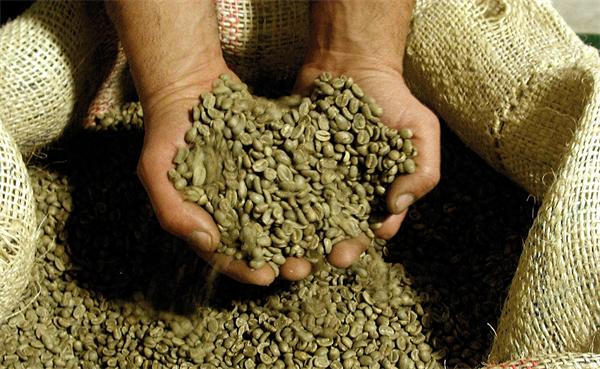
Species of coffee trees Arabica species Robasta species Liberian species Esselsa species
There are more than 6000 species of coffee trees, most of which are tropical trees and shrubs. There are four main coffee trees in the world, of which only two are of real commercial value and are planted in large quantities, and the quality of the coffee beans produced by other coffee trees is also higher than that of other coffee trees. The first is Arabica beans, which account for 70% of the world's output, the world-famous Blue Mountain.
2016-03-15 Coffee species rabbi card species Robbas Buzz Libby subspecies Ethel Serbia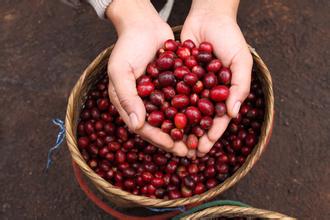
Coffee rookie entry-level learning coffee lesson 1 basic knowledge of coffee introduction to coffee varieties
Coffee belongs to the evergreen shrub of the genus Rubiaceae, which is centered in the tropics. There are about 6000 species of Rubiaceae belonging to 500 genera. Coffee has always been thought to have certain effects, such as strengthening the stomach, waking up the brain, stopping bleeding, dissipating heat, strengthening the body, and so on. The more famous Rubiaceae plant is Gardenia jasminoides, whose fruit was dried and used as medicinal material a long time ago. The three native species of coffee
2016-02-17 Coffee rookie introduction learning one lesson fundamentals knowledge learning variety coffee
Introduction of Brand types of Coffee beans introduction of Coffee planting Environment
. The Robusta species (scientific name Coffea robusta Linden) is a leaf rust-resistant variety found in the African Congo, which teaches the Arabica species to be more resistant to the disease. People like to compare robusta species with Arabica coffee. In fact, robusta species is a mutant of Congo species (scientific name Cofffea canephora), so it should be compared with Arabica species.
2016-07-06 Coffee beans brands types introductions coffee planting environment Robes Booth learning
A brief talk on understanding coffee beans
1. Summary: coffee is a perennial evergreen shrub or small tree of Rubiaceae. It is native to tropical Africa and has been cultivated for more than 2000 years. The Arabs began to grow coffee in 525 BC, and it was popular for Arabs to stir-fry coffee beans. They began to grow coffee beans on a large scale after the 15th century, and were widely distributed in the tropics and subtropics of Europe, Asia, Africa and Latin America after the 18th century.
2014-09-25 Understand coffee beans and talk about coffee beans