“National Geographic” search results (200)
Indonesian civet coffee Kopi Luwak introduces flavor, taste, characteristics of fine coffee beans
The company M.P. Mountanos, which first introduced Kopi Luwak coffee to the United States, pointed out that at first, when I heard about this kind of coffee fermented in the body, I thought it was a joke in the industry, but I didn't take it seriously. later, I saw a special report on Kopi Luwak in National Geographic Magazine and became interested in her. it took seven years to find a stable source of supply and began to introduce a small amount to the United States.
2016-09-23 Indonesia musk coffee cat poop introduction flavor taste boutique coffee beans characteristics
Indonesian Coffee Muscat Coffee with unique Flavor introduction to the characteristics of manor production area
Kopi Luwak fermentation environment, the flavor becomes unique, especially thick and mellow. The coffee beans fermented by civets' intestines and stomach are very thick and mellow, so they collect civets' feces, sift out the coffee beans and brew them to drink. Due to the scarcity of production and the unique fermentation process, the flavor is very different from that of ordinary coffee. Eva, the owner of the special cafe, is a coffee enthusiast who meets every year.
2016-08-01 Flavor unique Indonesia coffee musk taste manor producing area characteristics introduction
Introduction to the extra thick and mellow Indonesian civet coffee manor with special flavor and taste
Kopi Luwak is produced by the feces of Indonesian coconut cats (a kind of civet) as raw materials, so it is called Kopi Luwak. This kind of animal mainly feeds on coffee beans. After completing fermentation in the coconut cat's stomach, it destroys proteins, produces short peptides and more free amino acids, reduces the bitterness of coffee, and then excretes feces as the main raw material. Because coffee beans cannot be digested, they will be
2016-09-12 Extra thick mellow Indonesian musk coffee manor producing area characteristics flavor
Introduction to the Origin of civet Coffee the characteristics of civet coffee
Muscat coffee (Kopi Luwak), Kopi (Indonesian, coffee), Luwak refers to a kind of arboreal wild animal commonly known as civet in Indonesia. In Sumatra, Indonesia, locals call civets Musang rather than the commonly used Luwak,Kopi Musang is civet coffee, commonly known as Kopi Luwak. From "Coffee Fine Science"
2016-05-06 Musk coffee origin introduction characteristics musk Kopi Luwa
A brief introduction to the main features of civet coffee
Coffee beans generally go through the process of shell fermentation, coffee beans in the civets' intestines, special bacteria provide a unique fermentation environment, the flavor becomes unique, particularly thick and mellow. The coffee beans fermented by civets' intestines and stomach are very thick and mellow. Eva, the owner of the special cafe, is a coffee enthusiast who travels around the world every year in search of rare goods. She told the reporter
2016-05-31 Musk coffee introduction main characteristics coffee beans in general through shell
When was the coffee fermentation method discovered by Kopi Luwak?
The company M.P. Mountanos, which first introduced Kopi Luwak coffee to the United States, pointed out that at first, when I heard about this kind of coffee fermented in the body, I thought it was a joke in the industry, but I didn't take it seriously. later, I saw a special report on Kopi Luwak in National Geographic Magazine and became interested in her. it took seven years to find a stable source of supply and began to introduce a small amount to the United States.
2016-05-23 Cat shit coffee when was discovered fermentation method first Kopi L
Introduction to the varieties of Fuyin Manor coffee with unique flavor and mellow taste.
This is the natural fermentation method that was once scoffed by Americans. It is said that when Americans heard of such a way of making coffee, it was regarded as a fantasy. It was not until it was reported by National Geographic magazine that they became interested in it. Coffee bean screening: this digestion process, so that coffee beans have an unparalleled magic change, the flavor tends to be unique, taste
2016-09-14 Flavor tending unique taste special mellow fuyin manor coffee
Description of the flavor of civets coffee with special flavor the characteristics of varieties and the price of fine coffee beans in producing areas
The company M.P. Mountanos, which first introduced Kopi Luwak coffee to the United States, pointed out that at first, when I heard about this kind of coffee fermented in the body, I thought it was a joke in the industry, but I didn't take it seriously. later, I saw a special report on Kopi Luwak in National Geographic Magazine and became interested in her. it took seven years to find a stable source of supply and began to introduce a small amount to the United States.
2016-10-10 Aroma special musk coffee flavor description variety characteristics producing area taste
Civet coffee flavor taste manor production area introduction of civet boutique coffee Kopi Luwak
Coffee beans generally go through the process of shell fermentation, coffee beans in the civets' intestines, special bacteria provide a unique fermentation environment, the flavor becomes unique, particularly thick and mellow. The coffee beans fermented by civets' intestines and stomach are very thick and mellow. Eva, the owner of the special cafe, is a coffee enthusiast who travels around the world every year in search of rare goods. She told the reporter
2016-07-27 Musk coffee flavor taste manor producing area introduction boutique cat shit coffee beans
Bali Kopi Luwak Flavor Manor with a Special Flavor characteristics of boutique coffee beans
It is said that coffee farmers in early Indonesia regarded civet cats that ate ripe coffee fruits as mortal enemies, but at some point someone began to think of picking coffee beans from the civet droppings to make coffee with unique flavor. Coffee experts everywhere have tried and were amazed. Since then, local farmers spend a lot of time collecting civet droppings in the forest every day during the coffee ripening season.
2016-08-09 A special flavor Bali island cat coffee taste manor producing area characteristics
Flavor description of Indonesian civet coffee with special flavor introduction of boutique coffee in producing area
Kopi Luwak is produced by the feces of Indonesian coconut cats (a kind of civet) as raw materials, so it is called Kopi Luwak. This kind of animal mainly feeds on coffee beans. After completing fermentation in the coconut cat's stomach, it destroys proteins, produces short peptides and more free amino acids, reduces the bitterness of coffee, and then excretes feces as the main raw material. Because coffee beans cannot be digested, they will be
2016-09-26 Special aroma Indonesian musk coffee flavor description producing area characteristics boutique
The eight favorite cafes of literati taste the aroma of bookish coffee.
It is said that the brilliant ideas of many Nobel laureates benefit from that strong cup of coffee. So where are the cafes that scholars and calligraphers like to patronize? Now follow National Geographic to uncover the secret. Fesavi Cafe (El Fishawy Coffee Shop)
2014-08-01 Eight literati love cafe taste bookish coffee one cup steaming hot
Introduction to the Origin of Bali Coffee from the Flavor Manor of Muscat Coffee in Bali, Indonesia
The animal excrement of the civet (commonly known as the civet in Indonesia), although it comes from smelly poop, is full of sweetness and a burst of indescribable sweetness. This wild musk cat likes to eat fat and pulpy coffee fruits, but the hard hard nuts (raw beans) are indigestible and are excreted with feces. After being cleaned, they become Kopi Luwak coffee raw beans! Because of
2016-08-04 Indonesia Bali Musk Coffee Flavor Taste Manor producing area characteristics introduction
Origin of boutique Kopi Luwak Coffee Coffee Price death wish Coffee Blue Mountain Coffee
Muscat coffee (Kopi Luwak), Kopi (Indonesian, coffee), Luwak refers to a kind of arboreal wild animal commonly known as civet in Indonesia. In Sumatra, Indonesia, locals call civets Musang rather than the commonly used Luwak,Kopi Musang is civet coffee, commonly known as Kopi Luwak. From "Coffee Fine Science"
2016-05-04 Boutique cat shit coffee origin musk price death wish blue mountain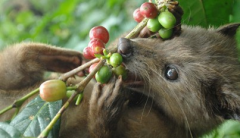
Introduction to the Origin and characteristics of Musk Coffee Coffee
1 Coffee principle Kopi Luwak civets like to choose the most ripe, sweet, juicy coffee fruits in the coffee tree as food. The coffee fruit passes through its digestive system, and only the pulp on the outside of the fruit is digested, and the hard coffee beans are then excreted intact by the civet's digestive system. In this way, in the process of digestion, the coffee beans are incomparable.
2016-03-08 Musk cat coffee principle coffee source development course characteristics introduction origin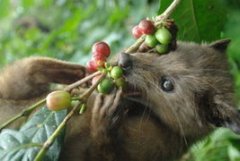
The reason why Kopi Luwak is so expensive is the characteristics of Kopi Luwak
Coffee beans generally go through the process of shell fermentation, coffee beans in the civets' intestines, special bacteria provide a unique fermentation environment, the flavor becomes unique, particularly thick and mellow. The coffee beans fermented by civets' intestines and stomach are very thick and mellow. Kopi Luwak was once a tribute from Indonesia to the Dutch royal family. At that time, the industry regarded this kind of coffee in the name of cat shit as a kind of
2015-03-13 Why cat shit coffee then expensive reasons characteristics coffee beans in general all
Introduction of varieties and brands in Bali coffee producing area Kopi Luwak introduction to Bali Kopi Luwak
The coffee comes from the excrement of an animal called the civet (commonly known as the civet in Indonesia). Although it comes from smelly poop, it is full of sweetness and a burst of indescribable sweetness. This wild musk cat likes to eat fat, pulpy coffee fruit, but the hard hard nut (raw bean) cannot be digested. It is excreted with feces and becomes Kop after cleaning.
2016-07-25 Bali coffee producing areas varieties brands introductions cat droppings island cats this
Is Kopi Luwak really worth that much? Coffee bean cloth powder is the most expensive in the coffee bean market.
Kopi Luwak's unexpected popularity over the past 20 years, Kopi Luwak has been the ultimate coffee. With its excellent taste and hard-won, Kopi Luwak is regarded as a treasure by coffee sellers all over the world, and even appeared in CNN News, Oprah Show and Hollywood movies. I first read the description of Kopi Luwak in a National Geographic magazine in 1981. decennium
2016-04-19 Cat shit coffee really worth so a lot of money coffee beans market expensive cloth powder cat shit
The flavor of Kopi Luwak how much is the origin of Kopi Luwak boutique coffee Kopi Luwak
Kopi Luwak is produced by the feces of Indonesian coconut cats (a kind of civet) as raw materials, so it is called Kopi Luwak. This kind of animal mainly feeds on coffee beans. After completing fermentation in the coconut cat's stomach, it destroys proteins, produces short peptides and more free amino acids, reduces the bitterness of coffee, and then excretes feces as the main raw material. Because coffee beans cannot be digested, they will be
2016-05-10 Cat shit coffee flavor origin boutique less money cat shit is made by Indonesia
Introduction of Cat shit Coffee beans
Coffee beans generally go through the process of shell fermentation, coffee beans in the civets' intestines, special bacteria provide a unique fermentation environment, the flavor becomes unique, particularly thick and mellow. The coffee beans fermented by civets' intestines and stomach are very thick and mellow. Eva, the owner of the special cafe, is a coffee enthusiast who travels around the world every year in search of rare goods. She told the reporter
2016-05-09 Cat shit coffee beans introduction boutique coffee in general pass