“Matari” search results (156)

Introduction of Yemeni mocha Coffee Flavor and Taste the practice of Mocha Coffee Yemen Moha Coffee introduces boutique coffee
There are many varieties of Yemeni coffee, most of which are named after their origin and type, with different flavors, such as fresh wood, tobacco, musk, fruit wine, roasted nuts, cocoa and warm seasonings, especially Moha coffee. At present, Yemeni Moha coffee is the most famous Yemeni Moha coffee on the market, such as Isemary, Matari, Sanani and so on. Sanani coffee has medium grain size and fruit wine style.
2016-07-11 Yemen Mocha coffee flavor taste introduction practice Moha boutique
Introduction to the characteristics of Yemeni Coffee Flavor Manor production area
There are many varieties of Yemeni coffee, most of which are named after their origin and type, with different flavors, such as fresh wood, tobacco, musk, fruit wine, roasted nuts, cocoa and warm seasonings, especially Moha coffee. At present, Yemeni Moha coffee is the most famous Yemeni Moha coffee on the market, such as Isemary, Matari, Sanani and so on. Sanani coffee has medium grain size and fruit wine style.
2016-08-04 Flavor different Yemen coffee taste manor producing area characteristics introduction boutique
Refreshing Yemeni coffee flavor, characteristics, taste and manor
Yemeni coffee originated from Arabian coffee trees hundreds of years ago, all produced in areas above 3000 feet above sea level. For hundreds of years, the unique planting and production methods of Yemeni coffee have remained almost unchanged. The seedlings of Yemeni coffee trees are first cultivated in nurseries and then transplanted to high elevations. Pesticides and fertilizers are not used in the breeding process. Mature coffee beans are naturally dried on coffee trees and shelled by stone grinding.
2016-08-30 Refreshing Yemeni coffee flavor specialty taste manor Yemen
The latest introduction of Yemeni coffee boutique coffee
Yemeni coffee originated from Arabian coffee trees hundreds of years ago, all of which are produced in areas above 3000 feet above sea level. For hundreds of years, the unique planting and production methods of Yemeni coffee have remained almost unchanged. The seedlings of Yemeni coffee trees are first cultivated in nurseries and then transplanted to high elevations. Pesticides and fertilizers are not used in the breeding process. Mature coffee beans are naturally dried on coffee trees and shelled by stone mill.
2015-12-02 Yemen coffee boutique introduction latest origin hundreds
Yemeni coffee flavor Yemeni coffee characteristics Yemeni coffee taste
Yemeni coffee originated from Arabian coffee trees hundreds of years ago, all produced in areas above 3000 feet above sea level. For hundreds of years, the unique planting and production methods of Yemeni coffee have remained almost unchanged. The seedlings of Yemeni coffee trees are first cultivated in nurseries and then transplanted to high elevations. Pesticides and fertilizers are not used in the breeding process. Mature coffee beans are naturally dried on coffee trees and shelled by stone grinding.
2016-08-29 Yemen coffee flavor characteristics taste origin hundreds years ago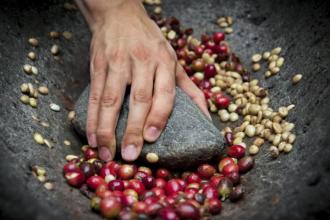
Refreshing and refreshing Yemeni coffee flavor, characteristics, taste and manor
Yemeni coffee originated from Arabian coffee trees hundreds of years ago, all produced in areas above 3000 feet above sea level. For hundreds of years, the unique planting and production methods of Yemeni coffee have remained almost unchanged. The seedlings of Yemeni coffee trees are first cultivated in nurseries and then transplanted to high elevations. Pesticides and fertilizers are not used in the breeding process. Mature coffee beans are naturally dried on coffee trees and shelled by stone grinding.
2016-08-30 Refreshing refreshing endless aftertaste Yemen coffee flavor specialty mouth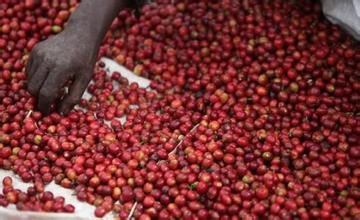
Refreshing, giving people an endless aftertaste of Yemeni coffee flavor, characteristics, taste and manor
Yemeni coffee originated from Arabian coffee trees hundreds of years ago, all produced in areas above 3000 feet above sea level. For hundreds of years, the unique planting and production methods of Yemeni coffee have remained almost unchanged. The seedlings of Yemeni coffee trees are first cultivated in nurseries and then transplanted to high elevations. Pesticides and fertilizers are not used in the breeding process. Mature coffee beans are naturally dried on coffee trees and shelled by stone grinding.
2016-08-30 Refreshing refreshing endless aftertaste Yemen coffee flavor specialty mouth
Yemeni Moha Coffee the latest introduction of Yemeni coffee Yemeni coffee has a unique flavor
Yemeni coffee originated from Arabian coffee trees hundreds of years ago, all of which are produced in areas above 3000 feet above sea level. For hundreds of years, the unique planting and production methods of Yemeni coffee have remained almost unchanged. The seedlings of Yemeni coffee trees are first cultivated in nurseries and then transplanted to high elevations. Pesticides and fertilizers are not used in the breeding process. Mature coffee beans are naturally dried on coffee trees and shelled by stone mill.
2015-11-29 Yemen Moha Coffee latest introduction Flavor unique from
Coffee development history of Yemeni coffee beans and some African countries
Yemeni coffee bean planting area is also very large, coffee beans occupy an important position in the national economy. Yemeni Matari 999 mocha coffee (Mattar 999) has a unique wild and strong flavor. Yemen, a rather poor region of the Arab countries, was formed in May 1990 by the merger of the Arab Republic of Yemen (Northern Yemen) and the Democratic people's Republic of Yemen (Southern Yemen). Yemenis are used to drinking tea.
2014-06-28 Yemeni coffee beans African national development history African coffee bean development history boutique coffee
Introduction of Yemeni coffee
Yemeni coffee originated from Arabian coffee trees hundreds of years ago, all of which are produced in areas above 3000 feet above sea level. For hundreds of years, the unique planting and production methods of Yemeni coffee have remained almost unchanged. The seedlings of Yemeni coffee trees are first cultivated in nurseries and then transplanted to high elevations. Pesticides and fertilizers are not used in the breeding process. Mature coffee beans are naturally dried on coffee trees and shelled by stone mill.
2016-08-30 Yemen coffee introduction originating from hundreds of years ago Arab produced in
Yemeni Coffee
Coffee has been Yemen's traditional export product for hundreds of years and is still one of Yemen's most important cash crops and export products. Statistics show that among Yemen's top 30 exports in 2000, cooked coffee beans, raw coffee beans and coffee shells ranked second, eighth and 21st respectively, with a total value of about 17.5 million US dollars, of which raw coffee is about 12.25 million US dollars
2016-08-31 Yemen coffee presentation centuries has been tradition export
Yemeni coffee features Yemeni coffee flavor
Coffee has been a traditional export product of Yemen for hundreds of years, and it is still one of the most important cash crops and export products of Yemen. Statistics show that among the top 30 exports of Yemen in 2000, cooked coffee beans, raw coffee beans and coffee shells ranked second, eighth and 21st respectively, with a total value of about $17.5 million, of which raw coffee was about $12.25 million.
2016-08-31 Yemeni coffee specialty flavor hundreds of years has always been Yemen tradition
Introduction of Yemeni coffee
Coffee has been a traditional export product of Yemen for hundreds of years, and it is still one of the most important cash crops and export products of Yemen. Statistics show that among the top 30 exports of Yemen in 2000, cooked coffee beans, raw coffee beans and coffee shells ranked second, eighth and 21st respectively, with a total value of about $17.5 million, of which raw coffee was about $12.25 million.
2016-08-29 Yemen coffee introduction hundreds of years has been Yemen tradition export
Introduction of Yemeni coffee
Coffee has been a traditional export product of Yemen for hundreds of years, and it is still one of the most important cash crops and export products of Yemen. Statistics show that among the top 30 exports of Yemen in 2000, cooked coffee beans, raw coffee beans and coffee shells ranked second, eighth and 21st respectively, with a total value of about $17.5 million, of which raw coffee was about $12.25 million.
2016-08-30 Yemen coffee introduction hundreds of years has been Yemen tradition export
Introduction of Yemeni coffee
Coffee has been a traditional export product of Yemen for hundreds of years, and it is still one of the most important cash crops and export products of Yemen. Statistics show that among the top 30 exports of Yemen in 2000, cooked coffee beans, raw coffee beans and coffee shells ranked second, eighth and 21st respectively, with a total value of about $17.5 million, of which raw coffee was about $12.25 million.
2016-08-30 Yemen coffee introduction hundreds of years has been Yemen tradition export
Yemeni coffee bean mocha coffee
Coffee has been a traditional export product of Yemen for hundreds of years, and it is still one of the most important cash crops and export products of Yemen. Statistics show that among the top 30 exports of Yemen in 2000, cooked coffee beans, raw coffee beans and coffee shells ranked second, eighth and 21st respectively, with a total value of about $17.5 million, of which raw coffee was about $12.25 million.
2016-08-30 Yemeni coffee beans mocha coffee for hundreds of years always Yemen biography.
Introduction of boutique Yemeni coffee manor with fruit wine flavor
Moha is a small seaport on the red sea in the south of Yemen. for hundreds of years, most of the famous Yemeni coffee is exported to all countries of the world, so Yemeni coffee is gradually named after Moha. For many years, Yemeni Moha coffee has been regarded as the best coffee in the world, and its excellent quality has always been praised by the world. Moha coffee was first exported to Europe and then gradually became popular in neighboring countries.
2016-07-04 Fruit wine flavor boutique Yemen coffee manor producing area introduction Moha
Yemeni Coffee with unique Flavor description processing method Grinding degree Taste characteristics Fine Coffee introduction
[acidity Acidity]: the strong acidity of all coffee grown on the plateau. The sour here is different from bitterness and Sour, and has nothing to do with pH value. It refers to a fresh and lively quality that promotes coffee to exert its functions of invigorating the mind and clearing the taste. The acidity of coffee is not the acidity or sour smell of acidity and alkalinity, nor is it unpleasant to enter the stomach.
2016-10-06 Flavor unique Yemeni coffee description treatment way grinding taste characteristics
Introduction to the taste of famous Asian coffee
Indonesia Sumatra SumatraTobaBlueEyeMandheling Coffee: Asian countries: northern Sumatra, Indonesia: TobaLake (the mountain lake near Lake Dorba is clear and blue, so it is named after Blue Eye Manning). Flavor: full of ripe comprehensive fruit flavor, low acidity, creamy aroma, long flavor! Golden Manning Coffee Indonse
2014-07-02 Coffee knowledge coffee taste coffee encyclopedia Asian coffee beans
Description of coffee bean flavor introduction to the taste of famous coffee in Asia
Indonesia Sumatra SumatraTobaBlueEyeMandheling Coffee: Asian countries: northern Sumatra, Indonesia: TobaLake (the mountain lake near Lake Dorba is clear and blue, so it is named after Blue Eye Manning). Flavor: full of ripe comprehensive fruit flavor, low acidity, creamy aroma, long flavor! Golden Manning Coffee Indonse
2015-01-09 Coffee beans flavor description Asia famous coffee taste introduction Indonesia