“Introduce coffee” search results (3400)

Famous Coffee Raw beans introduce Yunnan small Coffee
The western and southern parts of Yunnan small grain coffee Bourbon Bobang AA Yunnan Province are located between 15 N and the Tropic of Cancer, most areas are 1000-2000 meters above sea level, and the topography is mainly mountainous and sloping, with large ups and downs, fertile soil, sufficient sunshine, rich rainfall and large temperature difference between day and night. These unique natural conditions form the particularity of Yunnan small grain coffee taste.
2015-06-04 Well-known coffee raw beans introduction Yunnan small grains
Soft, fragrant, full-grained Rwandan coffee beans introduce boutique coffee
The characteristics of Rwandan coffee: the taste of Rwandan coffee is described as grass aroma, with tropical climate characteristics, this coffee presents a sweet fruit taste, it also makes people taste refreshing, clear, and fresh. Bourbon coffee grown in Rwanda is amazing for its sweet fruit, full-bodied, unrestrained and lingering aftertaste.
2016-07-01 Soft fragrant granulated full Rwanda coffee beans introduction boutique coffee Lu
Smooth, aromatic, mellow Mexican coffee beans introduce boutique coffee
The characteristics of Mexican coffee: some people think that the best giant coffee beans are produced in Mexico rather than in Guatemala, but the supply and quality of coffee beans in both places can change. The coffee beans, known as Maragogype, have large particles, and the coffee produced is smooth, mellow and fragrant. The poverty of farmers has caused most coffee to grow under natural conditions, that is, do not use except
2016-06-23 Smooth aromatic thick Mexico coffee beans introduction boutique coffee
Salvadoran coffee producing areas introduce Salvadoran coffee beans
In the early 1990s, guerrilla warfare greatly damaged the country's national economy, reducing coffee production from 3.5 million bags in the early 1970s to 2.5 million bags in 1990-1991. The eastern part of the country was most affected by guerrilla warfare, and many farmers and workers were forced to leave the manor. The shortage of funds has led to a sharp drop in coffee production, from 1200 kg per hectare in the past to no yield per hectare today.
2016-08-30 El Salvador coffee producing areas introduction coffee beans early 1980s guerrilla warfare land
Salvadoran coffee producing areas introduce Salvadoran coffee beans
In the early 1990s, guerrilla warfare greatly damaged the country's national economy, reducing coffee production from 3.5 million bags in the early 1970s to 2.5 million bags in 1990-1991. The eastern part of the country was most affected by guerrilla warfare, and many farmers and workers were forced to leave the manor. The shortage of funds has led to a sharp drop in coffee production, from 1200 kg per hectare in the past to no yield per hectare today.
2016-08-31 El Salvador coffee producing areas introduction coffee beans early 1980s guerrilla warfare land
Salvadoran coffee producing areas introduce Salvadoran coffee beans
In the early 1990s, guerrilla warfare greatly damaged the country's national economy, reducing coffee production from 3.5 million bags in the early 1970s to 2.5 million bags in 1990-1991. The eastern part of the country was most affected by guerrilla warfare, and many farmers and workers were forced to leave the manor. The shortage of funds has led to a sharp drop in coffee production, from 1200 kg per hectare in the past to no yield per hectare today.
2016-08-31 El Salvador coffee producing areas introduction coffee beans early 1980s guerrilla warfare land
Salvadoran coffee producing areas introduce Salvadoran coffee beans
In the early 1990s, guerrilla warfare greatly damaged the country's national economy, reducing coffee production from 3.5 million bags in the early 1970s to 2.5 million bags in 1990-1991. The eastern part of the country was most affected by guerrilla warfare, and many farmers and workers were forced to leave the manor. The shortage of funds has led to a sharp drop in coffee production, from 1200 kg per hectare in the past to no yield per hectare today.
2016-08-31 El Salvador coffee producing areas introduction coffee beans early 1980s guerrilla warfare land
Ethiopian Coffee the most famous boutique coffee beans introduce Ethiopian coffee features Ethiopia
1. Limu coffee grows between 1400 meters and 2000 meters above sea level. Wash the coffee. Excellent quality, with strong nut aromas, suitable acidity, with the intensity of wine. The annual output is 29000 tons. 2. Jima Coffee grows between 1400 and 1800 meters above sea level. Sun-baked coffee. Slightly sour, with nutty aromas and a long finish. The annual output is 70000 tons. 3. Growth of Gamby Coffee
2016-03-23 Ethiopia Coffee well-known Fine goods Coffee beans introduction Features Essel Limu
Full grain Rwanda coffee beans taste manor introduce boutique coffee beans
The taste of Rwandan coffee is described as a grassy aroma with tropical climates. in addition to the sweetness of fruit, this coffee also gives people a feeling of freshness, clarity, and freshness. Bourbon coffee grown in Rwanda is amazing for its sweet fruit, full-bodied, unrestrained and lingering aftertaste. This kind of coffee is delicious
2016-07-19 Granules full Rwanda coffee beans flavor taste manor introduction boutique Lu
World coffee producing countries introduce Asian producing countries
China in China Coffee is cultivated in Yunnan, Hainan and other places in China. Among them, due to the unique geographical environment and climatic conditions, Yunnan coffee has formed a unique flavor of strong but not bitter, fragrant but not strong, with a little fruit flavor. World-class coffee experts evaluate it as the best coffee in the world, and its cultivation techniques. Per unit yield is also world-class. 2. Indonesia
2015-04-23 World Coffee producer introduction Asia China Chin
Boutique coffee bean producing countries introduce Panamanian coffee
Coffee was first grown in America around the 1820s. Today, coffee farming occupies an extremely important economic position in Panama. The Republic of Panama was founded on November 3, 1903. The nearly century-old coffee factory is located in a charming dense rainforest valley. Panama Coffee: Panamanian Coffee Coffee is grown in the western part of the country, near
2015-05-14 Boutique coffee beans producing countries introduction Panama coffee first time America species
The characteristics of Venezuelan coffee with different tastes introduce fine coffee
The characteristics of Venezuelan coffee: Venezuelan coffee taste is different from other coffee in Latin America, it is delicious, light, less sour than traditional coffee, which makes it not only blended but also unique. Flavor: rich and delicious fruit flavor suggested baking method: medium to deep roasting, multi-purpose ★★: good Venezuelan coffee market: at present
2016-06-27 Taste different Venezuela coffee specialty introduction boutique
Bitter Ugandan coffee beans introduce boutique coffee
Later, when the ship replaced the sailboat, due to the shortened delivery time, people drank relatively fresh coffee beans. But people who are used to drinking Chen beans are not used to the fresh taste, so they desperately pursue old Java coffee, so that the Indonesian government and some businessmen deliberately store fresh beans in warehouses for one or two years and then sell them to consumers. In fact, compared with fresh beans, aged beans
2016-06-27 Bitter strong Uganda coffee beans introduction boutique coffee later steamship take
Nicaraguan coffee producing areas with hazelnut and cocoa aromas introduce Matagalpa
Dry aromas are full of chocolate, with aromas of hazelnut and cocoa. The wet aroma also has the smell of chocolate, accompanied by the smell of orange peel. With the baking degree of city+, the bright lemon acid and long cocoa finish are wonderful. Dry aroma (1-5): 3.8 wet aroma (1-5): 3.8 acidity (brightness) (1-10): 8.9 taste (layered) (1
2016-06-27 Accompanied by hazelnut cocoa fragrance Nicaragua coffee producing area introduction Mataga
Two methods of coffee blending that are well known in business introduce commercial coffee blending
The taste classification of coffee beans is sour: mocha, Hawaiian sour coffee, Mexico, Guatemala, Costa Rica high real estate, Gillimanjaro, Colombia, Zimbabwe, El Salvador, Western Hemisphere washable premium new beans. Bitter: all kinds of old beans from Java, Mantenin, Bogota, Angola, Congo, Uganda. Sweetness: Colombia's Maitenin, Venezuela
2016-07-11 Business familiarity coffee blending two methods introduction commercialization coffee beans flavor
Slightly sour, dark chocolate aftertaste of Yega Chevy Coffee beans introduce Yega Chet Coffee Gediyo East High
[product name]: Ethiopia Ethiopia Yirgacheffe [quality rating]: WP Grade 2 [baking]: recommended moderate baking (Medium Roast or City Roast) [grade]: excellent [granule]: ★ full [acidity]: ★★★★ slightly sour, dark chocolate aftertaste [balance]: ★★★★ is very stable
2016-06-21 Slightly sour chocolate aftertaste Yega Sheffield coffee beans introduction snow caffeine Gedi
Musk cat poop coffee beans introduce Musk Kopi Luwak characteristics Musk Kopi Luwak taste musk deer
Is a recently invented coffee, produced in Indonesia, coffee beans are one of the civets' food range, but the coffee beans cannot be completely digested by the digestive system. The coffee beans are fermented in the civets' intestines and stomach and excreted by feces. The local people take out the coffee beans in the civet feces and then do the processing, that is, the so-called Kopi Luwak, this coffee has a unique taste, different taste, but habits.
2016-03-24 Indonesia Musk Cat shit Coffee beans introduction Coffee characteristics Taste recent Invention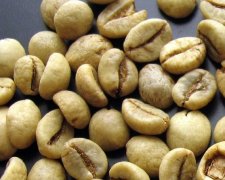
Well-known coffee raw beans introduce raw beans in Robusta, Java, Indonesia
Java Robusta raw beans Indonesia Java robusta green bean in Indonesia in the early 1970s, Java cut down Arabica trees introduced by most Dutch and planted Robbosa beans instead. Since then, Java coffee has become greasy, plain, and has a strong smell of wheat and tea. Of the few remaining Arabica estates, Djampit is the most famous.
2015-09-22 Well-known coffee raw beans introduction Indonesia Java Robbs Booth
Coffee producing countries in the world introduce coffee bean producing countries in Africa
African producing countries 1. Ethiopia Ethiopia Ethiopian coffee is neither strong nor irritating. It is produced in Harald (Harrar), Yega Xuefei (Yirgacheffe), Sidamo (Sidamo), Limu (Limu), Djimmah (Djimmah), Lekempti (Kepa), Kapa and other places. Among them, Harald coffee is the substitute of Ethiopian coffee.
2015-01-29 World Coffee producer introduction Africa Coffee beans Ethiopia
Sidamo Coffee beans introduce boutique coffee
17 grams of coffee, 300 milliliters of water, about 265 milliliters of coffee, steaming temperature 86 degrees, brewing temperature about 83 degrees. When the coffee is hot, it is not strong and very light. As the temperature decreases, the sensitivity of the tongue to the taste increases gradually, and the taste becomes more complex. The fragrance of the fruit is the most obvious, mixed with a hint of tea. I can't find anything in the taste.
2016-06-14 Dharma coffee beans 17 grams coffee water injection 300 milliliters get about 2