“Hainan coffee beans Xinglong coffee beans” search results (72)

History of introduction and expansion of Coffee in early China (5)
1. From the first peak period of the development of China's coffee industry (1952-1961) to the late 1940s, according to recorded figures, there are 2173.33 hectares of rubber plantations in Hainan Island, with a total of 867600 rubber trees, with an annual output of 199,000 tons of dry rubber, and more than 300,000 coffee plants. the annual output of coffee beans is 1 ton. According to a survey in the early 1950s, there was a large amount of coffee left in Fushan area of Chengmai County, with a total of 70,000.
2015-04-28 Early China coffee introduction expansion
Coffee planting History of Coffee introduction and expansion in China in the early stage (5)
1. From the first peak period of the development of China's coffee industry (1952-1961) to the late 1940s, according to recorded figures, there are 2173.33 hectares of rubber plantations in Hainan Island, with a total of 867600 rubber trees, with an annual output of 199,000 tons of dry rubber, and more than 300,000 coffee plants. the annual output of coffee beans is 1 ton. According to a survey in the early 1950s, there was a large amount of coffee left in Fushan area of Chengmai County, with a total of 70,000.
2014-10-14 Coffee knowledge coffee growing history Chinese coffee
The History of Coffee introduction and expansion in China in the early stage (5)
1. From the first peak period of the development of China's coffee industry (1952-1961) to the late 1940s, according to recorded figures, there are 2173.33 hectares of rubber plantations in Hainan Island, with a total of 867600 rubber trees, with an annual output of 199,000 tons of dry rubber, and more than 300,000 coffee plants. the annual output of coffee beans is 1 ton. According to a survey in the early 1950s, there was a large amount of coffee left in Fushan area of Chengmai County, with a total of 70,000.
2014-12-01 Coffee History Common sense early China introduction expansion planting Industry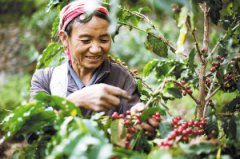
Yunnan Coffee and Chinese Coffee Market
Coffee trees need high altitude, tropical climate and fertile soil to grow the best coffee beans. Such climatic conditions on earth surround the equator, about between 25 degrees north latitude and 30 degrees south latitude. This zone, commonly known as the golden coffee belt, belongs to tropical and subtropical regions and is technically called coffee belt. When it comes to coffee in the world, let's talk about Chinese coffee first.
2016-06-07 Yunnan Coffee China Market need High altitude altitude Tropical Climate
When is the first peak period for the development of coffee planting industry in China?
By the end of the 1940s, according to recorded figures, there were 2173.33 hectares of rubber plantations on Hainan Island, with a total of 867600 rubber trees, with an annual output of 199,000 tons of dry rubber, more than 300,000 coffee plants and an annual output of 1 ton of coffee beans. According to a survey in the early 1950s, a large number of coffee was left in Fushan area of Chengmai County, with a total of 70,000 plants, including more than 40,000 plants in Daji Village and Fushan Farm (Hongguang Farm) 1
2015-02-07 China coffee planting industry development the first peak period when the 1940s
The Peak period of Comprehensive Development of Coffee industrialization in China
In 1992, Yunnan Coffee Factory was established. It is a coffee cooperation project of the United Nations Development Programme (UNDP) of the Chinese government. The total assets of the enterprise are 23 million yuan, which belongs to Yunnan Land Reclamation Group. The company moved to Kunming National Economic and technological Development Zone in 2004 and now covers a total area of 15751 square meters and a construction area of 4200 square meters. Main building: workshop 1248 square meters
2015-02-07 China Coffee industrialization Comprehensive Development Peak 1992 Yunnan
Chinese Coffee Development Agricultural Research Institutes promote Chinese Coffee
At this point, the author's mood is agitated and dignified. Today, when Chinese coffee, especially Yunnan small-grain coffee, has developed to large-scale industrialization through the persistent cultivation of several generations of Chinese mainland and after several ups and downs, it is not easy to be rated as a first-class product by the International Coffee Organization (ICO). The author believes that Yunnan small-grain coffee can quickly rise in Chinese mainland and China's agricultural scientific research.
2015-02-07 China coffee development agriculture scientific research institutes boost author draft so far heart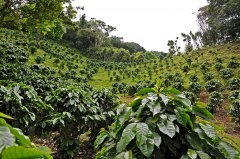
Yunnan Coffee Pu'er Coffee
Pu'er, a heaven-given treasure land, is not only the source of tea in the world, but also an important coffee producing area in China. Both planting area and output account for half of China's coffee, and it is a veritable coffee capital. In recent years, the Pu'er coffee industry has developed rapidly and has formed a complete coffee industry chain from planting to processing. Pu'er coffee has been exported to America, Europe, Asia, etc.
2016-05-21 Yunnan coffee sudden rise of a new force Pu'er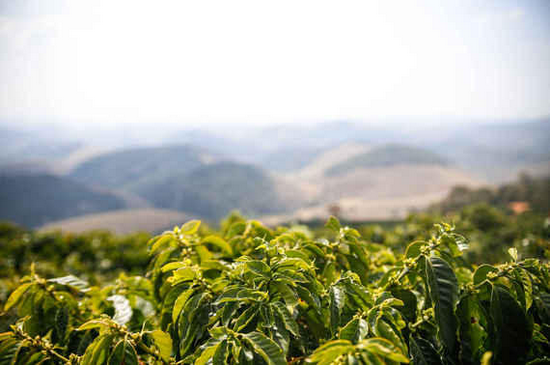
Pu'er Coffee with a sudden rise in China's Coffee Market
Pu'er, a heaven-given treasure land, is not only the source of tea in the world, but also an important coffee producing area in China. Both planting area and output account for half of China's coffee, and it is a veritable coffee capital. In recent years, the Pu'er coffee industry has developed rapidly and has formed a complete coffee industry chain from planting to processing. Pu'er coffee has been exported to America, Europe, Asia, etc. 3
2015-07-29 China coffee market sudden rise of a new force Pu'er
Coffee beans from all over the world
Coffee beans from all over the world
2014-06-05 Coffee beans by country
The planting characteristics of Coffee Bean in the World
Coffee beans from various countries, Asia, most of the Buddhist countries in Asia, the atmosphere of drinking coffee is generally not popular, so most of the coffee produced is exported to Europe and the United States. It is generally known that selected coffee is produced in countries such as Indonesia, Yemen and Papua New Guinea in Asia. In fact, as early as more than 100 years ago, the Chinese nation planted coffee. 1. At the end of the 18th century in Taiwan, coffee
2014-09-01 Coffee knowledge coffee beans and planting characteristics of coffee trees in various countries
Comprehensive introduction-Coffee
1. Tea, coffee and cocoa are called the three major drinks in the world. Coffee tree is a small evergreen tree of Rubiaceae. Coffee beans are used for daily drinking.
2014-08-13 Introduce coffee