“Hainan Island” search results (300)

Common Coffee Tree Diseases and pests and Control methods in Coffee planting
1. Coffee tiger longicorn beetles are distributed in all coffee producing areas in the world, and also occur in Yunnan, Guangxi and Hainan Island in China. It is one of the major pests of coffee. The coffee tiger longicorn beetle harms the coffee trunk for more than 2 years. At first, it eats between the cambium and xylem, and then eats the xylem. The victim was a curved tunnel filled with sawdust, which had a great impact on coffee.
2015-03-23 Coffee common sense planting common diseases and pests control methods coffee longicorn beetles the world
Fushan Coffee Town will develop into a tourist town
"Chengmai Fushan Coffee Culture Town Master Plan" review meeting said that "within ten years, Fushan Coffee Town will develop into a western tourism town in our province!"
2014-05-30 Fushan Coffee Town
A Summary of the Development History of Coffee in Yemen
Coffee scientific name: Coffea arabica), also known as coffee tree, Arabica coffee, etc., is the national flower of Yemen. Before the 6th century in the park, Yemen was called Arab, so the coffee trees transported from them to other places were also called Arabian coffee trees. The name coffee comes from the Arabic Qahwah, which means plant drink. Later, the coffee spread all over the world, and it was picked.
2014-05-27 Coffee history coffee calendar
A Summary of the Development History of Coffee in Yemen
Coffee scientific name: Coffea arabica), also known as coffee tree, Arabica coffee, etc., is the national flower of Yemen. Before the 6th century in the park, Yemen was called Arab, so the coffee trees transported from them to other places were also called Arabian coffee trees. The name coffee comes from the Arabic Qahwah, which means plant drink. Later, the coffee spread all over the world, and it was picked.
2016-10-15 Yemen Coffee History Overview Scientific name Coffea arab
The development and change of coffee!
With the development of the times and the further change of people's concept of life, the coffee industry is also developing at a rapid speed. The promotion of urbanization and the construction of culture are the driving force for the development of coffee shops.
2014-05-19 Coffee News Coffee knowledge Coffee Development
The origin of the word "coffee" in the basic knowledge of coffee
Coffee (scientific name: Coffea arabica), also known as coffee tree, Arabica coffee, etc., is the national flower of Yemen. Before the 6th century AD, Yemen was called Arabian, so the coffee trees shipped from them to other places were also called Arabian coffee trees. The name coffee comes from the Arabic Qahwah, which means plant drink. Later, the coffee spread all over the world, and it was picked.
2015-03-06 Coffee basic knowledge word origin coffee scientific name Coffea ara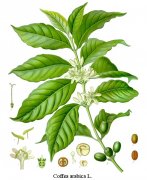
Coffee cultivation techniques detailed explanation of planting knowledge of Coffee trees
Coffee, cocoa and tea are called the three major beverages in the world, and their output, consumption and output value all rank first. In addition to being used as a beverage, coffee can also extract caffeine and coffee oil; in medicine, it can be used as an anesthetic, stimulant and diuretic cardiotonic agent. Coffee pulp can be used to make wine, vinegar, pectin and molasses; dried pulp can be used as animal feed; dried fruit shell can be used as fertilizer and burning
2015-02-16 Coffee cultivation techniques planting knowledge detailed explanation
Basic knowledge of Fine Coffee an overview of the history of Yemeni coffee
Coffee scientific name: Coffea arabica), also known as coffee tree, Arabica coffee, etc., is the national flower of Yemen. Before the 6th century in the park, Yemen was called Arab, so the coffee trees transported from them to other places were also called Arabian coffee trees. The name coffee comes from the Arabic Qahwah, which means plant drink. Later, the coffee spread all over the world, and it was picked.
2015-06-17 Boutique Coffee Basics Common sense Yemen Development History Overview Scientific name Co
Major Coffee producing areas in the World (1)
Coffee production zones (commonly known as coffee belts) range from 25 degrees north latitude to 30 degrees south latitude, covering many countries in Central, West Africa, the Middle East and South Asia, the Pacific, Latin America and the Caribbean. The reason why coffee cultivation is concentrated in this area is mainly due to the limitation of temperature. Because coffee trees are vulnerable to frost, neither north nor south latitude is suitable, especially in the tropics.
2014-08-14 Coffee producing area world coffee producing area coffee encyclopedia
The main producing areas and characteristics of Coffee in the World
Coffee production zones (commonly known as coffee belts) range from 25 degrees north latitude to 30 degrees south latitude, covering many countries in Central, West Africa, the Middle East and South Asia, the Pacific, Latin America and the Caribbean. The reason why coffee cultivation is concentrated in this area is mainly due to the limitation of temperature. Because coffee trees are vulnerable to frost, neither north nor south latitude is suitable, especially in the tropics.
2015-02-11 World coffee major producing areas characteristics common sense production zone called
Coffee Culture and Cafe Worker Evaluation of Coffee
Coffee Culture and Cafe Worker Evaluation Coffee Culture Coffee Culture to me means: the environment in which the aura coincides, the coffee in line with the standard, and the right mood. I appreciate the concept of the third space put forward by a coffee shop. The coffee shop should be a place different from the home and work environment, and it is a buffer zone in life, where people can devote themselves to it.
2014-08-28 Coffee Culture Cafe Worker
Introduction to the price of Arabica coffee beans during the harvest season
Arabica is deeply loved by Chinese people with a short history of coffee contact because of its strong fruity aroma. it was introduced to China by missionaries in the 19th century and was widely planted in Panzhihua, Sichuan, and the dry-hot valley of the Jinsha River in western Yunnan, where the sunshine was long and there was a big temperature difference between day and night. The local people solved the problem of insufficient seasonal rainfall by diverting water up the mountain.
2016-10-20 Rabbi coffee beans harvest picking season origin price introduction rabbi because of its
Coffee Culture and Cafe Worker Evaluation of Coffee
Coffee culture to me, coffee culture means: the environment where the aura is in harmony, the coffee that meets the standard, and the right mood. I appreciate the concept of the third space put forward by a coffee shop. Coffee shop should be a place different from home and work environment, and it is a buffer zone in life, where people can relax and adjust wholeheartedly, whether in a daze or at work.
2015-10-20 Coffee culture Cafe Worker evaluation coffee
Blue Hawaii: description of the only remaining coffee flavor in the United States introduction to grind Dokona Coffee
Chinatown in Hawaii used to be the largest overseas Chinatown for Chinese. Chinese people came to Hawaii earlier than Americans. In 1779, Chinese people came to develop and work on farms. Between 1852 and 1882, nearly 50,000 Chinese came to work. At that time, Chinatown was the largest Chinatown in the world. Due to the construction of Chinatown
2016-10-13 Blue Hawaii USA only left Coffee Flavor description Grinding Doc introduction
Basic knowledge of fine coffee knowledge of small-grain coffee
Coffee (scientific name: Coffea arabica), also known as coffee tree, Arabica coffee, etc., is the national flower of Yemen. Before the 6th century in the park, Yemen was called Arab, so the coffee trees transported from them to other places were also called Arabian coffee trees. The name coffee comes from the Arabic Qahwah, which means plant drink. Later, the coffee spread all over the world, and it was picked.
2015-07-28 Boutique coffee basics common sense granule knowledge scientific name Coffea
Cultivation techniques and Biological habits of Coffee Tree
2. Biological habits (1) Botanical characteristics (2) growth and flowering habits (3) requirements for environmental conditions (1) Botanical characteristics 1. Root coffee root is a conic root system, its morphology, distribution and depth vary with agro-technical measures, soil conditions and varieties. In the case of a political party, there is a thick and short main root and many developed lateral roots. According to the observation in Hainan Island
2015-10-07 Coffee cultivation techniques biology learning
Practical explanation on the examination rules of roasting Coffee production license [GB]
The coffee tree belongs to the Rubiaceae. Out of a total of 73 varieties, only Arabica (Coffea ara-bica Linnaeus) and Canifera (Coffea canephora Pierre) are cultivated by humans. The remaining 71 varieties are wild, but of no value to growers.
2014-08-15 Coffee knowledge coffee production license coffee roasting
Practical explanation on the examination rules of roasted Coffee production license
First, the general situation of the development of the industry. Coffee tree belongs to Rubiaceae. Out of a total of 73 varieties, only Arabica (Coffea ara-bica Linnaeus) and Canifera (Coffea canephora Pierre) are cultivated by humans. The remaining 71 varieties are wild, but of no value to growers. The 200 varieties of Arabica include the previous varieties of Mocha, Bourbon and Horse.
2015-04-14 Roasting coffee production license review details utility description
The development and change of coffee!
1. Macro-environmental analysis with the development of the times and the further change of people's concept of life, the coffee industry is also developing at a rapid speed. The promotion of urbanization and the construction of culture are the driving force for the development of coffee shops. Government policy support for college students to start a business. With the popularity of coffee culture and the rise of petty bourgeoisie sentiment, coffee shops are becoming one of the ways for people to communicate and enjoy themselves.
2014-08-28 The development of coffee
The development and change of coffee!
1. Macro-environmental analysis with the development of the times and the further change of people's concept of life, the coffee industry is also developing at a rapid speed. The promotion of urbanization and the construction of culture are the driving force for the development of coffee shops. Government policy support for college students to start a business. With the popularity of coffee culture and the rise of petty bourgeoisie sentiment, coffee shops are becoming one of the ways for people to communicate and enjoy themselves.
2014-08-28 The development of coffee