“Guangdong and Guangxi” search results (200)
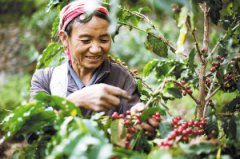
Yunnan Coffee and Chinese Coffee Market
Coffee trees need high altitude, tropical climate and fertile soil to grow the best coffee beans. Such climatic conditions on earth surround the equator, about between 25 degrees north latitude and 30 degrees south latitude. This zone, commonly known as the golden coffee belt, belongs to tropical and subtropical regions and is technically called coffee belt. When it comes to coffee in the world, let's talk about Chinese coffee first.
2016-06-07 Yunnan Coffee China Market need High altitude altitude Tropical Climate
Basic knowledge of Fine Coffee Culture characteristics of Western Coffee Culture
Like the tea culture in China, coffee culture also contains rich history and connotation. The Arabs first dried and boiled the coffee beans and drank the juice as a stomach medicine, thinking that it could help digestion. It was later found that coffee also had a refreshing effect. Because Islam forbids religious people to drink alcohol, coffee is used instead of alcoholic beverages as a refreshing drink. ten
2015-06-18 Boutique coffee culture basics common sense western characteristics China tea culture the same
A brief discussion on the knowledge of Coffee beans Encyclopedia
1. Summary: coffee is a perennial evergreen shrub or small tree of Rubiaceae. It is native to tropical Africa and has been cultivated for more than 2000 years. The Arabs began to grow coffee in 525 BC, and it was popular for Arabs to stir-fry coffee beans. They began to grow coffee beans on a large scale after the 15th century, and were widely distributed in the tropics and subtropics of Europe, Asia, Africa and Latin America after the 18th century.
2014-11-12 Coffee knowledge boutique coffee science coffee beans coffee encyclopedia
Coffee beans are important raw materials for making beverages
1. Summary: coffee is a perennial evergreen shrub or small tree of Rubiaceae. It is native to tropical Africa and has been cultivated for more than 2000 years. The Arabs began to grow coffee in 525 BC, and it was popular for Arabs to stir-fry coffee beans. They began to grow coffee beans on a large scale after the 15th century, and were widely distributed in the tropics and subtropics of Europe, Asia, Africa and Latin America after the 18th century.
2015-09-22 Talking about coffee beans production beverages important raw materials overview coffee grass for many years
Coffee Culture Coffee Culture in China
The history of the introduction of coffee into China is not long, and it was not until 1884 that coffee was first planted in Taiwan Province. In terms of natural conditions, many parts of China are very close to Latin America, South America, India, Indonesia and other places, with congenital conditions for coffee cultivation, but Chinese people have been drinking tea for thousands of years. As the origin of tea in the world, people are consuming.
2014-10-16 Coffee Culture Coffee Chinese Culture Coffee Encyclopedia
Description of Musk Coffee Flavor introduction to the taste characteristics of high-quality coffee beans in producing areas
The cat is lonely, nocturnal, alert, sensitive to hearing and smell, day and night, agile, sensitive, cunning and suspicious, so it is called fox cat. Hiding in thickets, grass, tree caves, soil caves and caves during the day, he began to move in the morning and dusk, often looking for food at the edge of the forest, near agricultural land, in valleys, or even near settlements, and returned to his habitat two or three hours later.
2016-09-28 Musk coffee flavor description producing area boutique coffee beans taste characteristics introduction
A brief talk on the basic knowledge of Fine Coffee with Coffee beans
1. Summary: coffee is a perennial evergreen shrub or small tree of Rubiaceae. It is native to tropical Africa and has been cultivated for more than 2000 years. The Arabs began to grow coffee in 525 BC, and it was popular for Arabs to stir-fry coffee beans. They began to grow coffee beans on a large scale after the 15th century, and were widely distributed in the tropics and subtropics of Europe, Asia, Africa and Latin America after the 18th century.
2015-06-04 Talking about coffee beans boutique coffee basics common sense overview grass for many years
The main ingredients of coffee. Types of coffee.
The history of the introduction of coffee into China is not long, and it was not until 1884 that coffee was first planted in Taiwan Province. In the mainland of the motherland, the earliest coffee cultivation began in Yunnan. At the beginning of the 20th century, French missionaries brought the first batch of coffee saplings to Binchuan County, Yunnan Province, and began to grow coffee in the mainland. Chinese people have been drinking tea for thousands of years.
2016-05-29 Coffee main ingredient type coffee introduced China history not long until
Introduction to the Soul of Coffee Bean
What is the essence of a cup of coffee? Coffee as its name implies, the raw material of coffee is the most important. The main raw materials for making coffee are small and round dark brown coffee beans, which quietly emit a fragrant fragrance in the grinder and show a beautiful amber color in the cup. These are the three very deep impressions that ordinary people have on coffee. While you are exploring the history and grace of coffee
2015-09-07 Coffee medium soul boutique coffee beans introduction
The source of coffee, the method of making and blending coffee, and matters needing attention.
Coffee is the transliteration of English Coffee. It is a drink made from roasted coffee beans, ground into powder and then brewed.
2014-07-01 Coffee knowledge source of coffee coffee encyclopedia
Coffee Culture History Coffee Culture in China
The history of the introduction of coffee into China is not long, and it was not until 1884 that coffee was first planted in Taiwan Province. In the mainland of the motherland, the earliest coffee cultivation began in Yunnan. At the beginning of the 20th century, French missionaries brought the first batch of coffee saplings to Binchuan County, Yunnan Province, and began to grow coffee in the mainland. In terms of natural conditions, many parts of our country and
2015-04-07 Coffee Cultural History China Coffee Culture introduction History not long
Coffee in Chinese Culture the leading role of Coffee in Taiwan
The history of the introduction of coffee into China is not long, and it was not until 1884 that coffee was first planted in Taiwan Province. In the mainland of the motherland, the earliest coffee cultivation began in Yunnan. At the beginning of the 20th century, French missionaries brought the first batch of coffee saplings to Binchuan County, Yunnan Province, and began to grow coffee in the mainland. In terms of natural conditions, many parts of our country
2015-11-07 Coffee China Culture Taiwan Forerunner role introduction History
Chinese coffee culture the history of coffee introduced into China is not long.
The history of the introduction of coffee into China is not long, and it was not until 1884 that coffee was first planted in Taiwan Province. In the mainland of the motherland, the earliest coffee cultivation began in Yunnan. At the beginning of the 20th century, French missionaries brought the first batch of coffee saplings to Binchuan County, Yunnan Province, and began to grow coffee in the mainland. In terms of natural conditions, many parts of our country and
2015-08-07 China Coffee Culture Coffee introduction History short Calendar
The origin of coffee and the method of making and brewing coffee
Coffee is English transliteration of Coffee, it is coffee tree seeds roasted coffee beans ground into powder and then brewed from the beverage. Coffee originated in Ethiopia, Africa. There are many accounts about its discovery. One of the legends accepted by most people is that about 3000 years ago, a shepherd saw his sheep eat an unnamed
2014-11-10 Coffee knowledge coffee sources coffee making brewing methods
Slightly fermented civet boutique coffee flavor and taste introduction to the characteristics of the manor area
The cat is slender, much larger than a domestic cat and similar in size to a domestic dog. it weighs 6 to 10 kilograms as an adult and is 60 to 80 centimeters long, with a maximum length of 100 centimeters. The head is slightly pointed, the ear is small, the forehead is broad, the snout is slightly protruding, and the third and fourth toes of the forefoot have claws composed of skin flaps. The body hair is brownish gray, with dark brown markings, gray-white lips, and small gray spots around the forehead and eyes. Dorsal center
2016-08-20 Fermentation flavor strong musk boutique coffee taste manor producing area
The source of coffee and the method of making and blending coffee.
Coffee is the transliteration of English Coffee. It is a drink made from roasted coffee beans, ground into powder and then brewed. (1) A brief introduction to Coffee 1. The origin of coffee Coffee originated in Ethiopia in Africa. There are many theories about discovering it, among which a legend accepted by most people is that about 3000 years ago, a shepherd saw the sheep he was herding ate a kind of nameless food.
2015-04-20 Coffee Source production blending method English transliteration
The source of coffee, the method of making and blending coffee, and matters needing attention.
Coffee is the transliteration of English Coffee. It is a drink made from roasted coffee beans, ground into powder and then brewed. (1) A brief introduction to Coffee 1. The origin of coffee Coffee originated in Ethiopia in Africa. There are many theories about discovering it, among which a legend accepted by most people is that about 3000 years ago, a shepherd saw the sheep he was herding ate a kind of nameless food.
2014-08-11 Coffee source production blending method precautions coffee English Coff
Introduction to the characteristics of manor producing area with unique flavor of Indonesian civet coffee
The cat is lonely, nocturnal, alert, sensitive to hearing and smell, day and night, agile, sensitive, cunning and suspicious, so it is called fox cat. Hiding in thickets, grass, tree caves, soil caves and caves during the day, he began to move in the morning and dusk, often looking for food at the edge of the forest, near agricultural land, in valleys, or even near settlements, and returned to his habitat two or three hours later.
2016-08-24 Unique flavor Indonesia musk coffee taste manor producing area characteristics introduction
The origin of coffee, the method of making and blending coffee, and pay attention to the details.
Coffee is the transliteration of English Coffee. It is a drink made from roasted coffee beans, ground into powder and then brewed. (1) A brief introduction to Coffee 1. The origin of coffee Coffee originated in Ethiopia in Africa. There are many theories about discovering it, among which a legend accepted by most people is that about 3000 years ago, a shepherd saw the sheep he was herding ate a kind of nameless food.
2015-09-11 Coffee origin production blending method attention details coffee English Cof
A preliminary study on the Origin, Development, spread and Beverage Culture of Coffee
Coffee, tea and cocoa are the three major beverages in the world, which are consumed by about LM people all over the world, and their consumption is second only to drinking coffee in Europe and the United States. Coffee consumption is also becoming more and more popular in China and other eastern countries. However, in Chinese academic circles, there are no papers and monographs on coffee from the perspective of agricultural history and custom history.
2014-10-13 Coffee culture coffee origin coffee development coffee dissemination