“Frost” search results (2802)
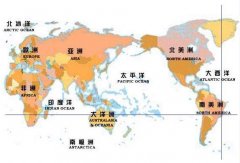
Boutique coffee what is the main producing country of boutique coffee
Major coffee producing countries: coffee production zones generally range from 25 degrees north to 30 degrees south, covering most countries in Central Africa, East Africa, the Middle East, India, South Asia, the Pacific, Latin America and the Caribbean. The reason why coffee is mainly concentrated in this area is that coffee is very vulnerable to frost, and the temperature and humidity are most suitable for coffee in the tropics.
2016-05-16 Boutique coffee what main producing country production zone
Boutique coffee what is the main producing country of boutique coffee
Major coffee producing countries: coffee production zones generally range from 25 degrees north to 30 degrees south, covering most countries in Central Africa, East Africa, the Middle East, India, South Asia, the Pacific, Latin America and the Caribbean. The reason why coffee is mainly concentrated in this area is that coffee is very vulnerable to frost, and the temperature and humidity are most suitable for coffee in the tropics.
2016-05-16 Boutique coffee what main producing country production zone
Bolivian boutique coffee
Bolivia in the past coffee trees in Bolivia used to act as hedges and ornaments around the garden. Real commercial production began in the early 1950s. The coffee industry in Brazil was badly damaged by the great frost in 1957, while Bolivia (Bolivia) benefited and developed rapidly. Bolivian coffee is grown at an altitude of 180,670 meters above sea level.
2016-05-17 Bolivia boutique coffee single product in the past tree often planted in
Bolivian boutique coffee Bolivian coffee cultivation
In the past, coffee trees in Bolivia used to act as hedges and ornaments around the garden. Real commercial production began in the early 1950s. The coffee industry in Brazil was badly damaged by the great frost in 1957, while Bolivia (Bolivia) benefited and developed rapidly. Bolivian coffee is grown at an altitude of 180,670 meters above sea level, including Allah.
2016-05-18 Bolivia boutique coffee planting in the past tree often planted in
Bolivian coffee boutique coffee black coffee
Coffee trees that go to Bolivia are often planted around the garden as hedges, decorating flowers and trees. Real commercial production began in the early 1950s. The coffee industry in Brazil was badly damaged by the great frost in 1957, while Bolivia (Bolivia) benefited and developed rapidly. Bolivian coffee is grown at an altitude of 180,670 meters above sea level.
2016-05-19 Bolivia coffee boutique trees planted in garden around
South African coffee-flavored coffee bean producing area
South Africa is fragrant with less acidity, reminiscent of Central American coffee beans. Coffee production in South Africa (SouthAfrica) is mainly in the northeast of the country, from Natal between Transvaal and Mozambique, extending northward to Transvaal, with a southernmost limit of latitude 30 south. Further south, it cannot be planted due to the harm of early frost.
2016-05-19 South Africa coffee flavor coffee beans origin
Introduction of Bolivian coffee beans
In the past, coffee trees in Bolivia used to act as hedges and ornaments around the garden. Real commercial production began in the early 1950s. The great frost of 1957 seriously damaged Brazil's coffee industry, while Bolivia (Bolivia) benefited from it and developed rapidly. Bolivian coffee is grown at an altitude of 180,670 meters above sea level.
2016-06-04 Bolivia coffee beans introduction in the past coffee trees plants flowers
Pagabana Manor Bolivian Coffee from Lake Titicaca American boutique coffee
The advantage of Bolivian coffee lies in its high altitude and excellent varieties of coffee, where the traditional Tibica and a small amount of Kaddura are highly valued in the world market. In the past, coffee trees in Bolivia used to act as hedges and ornaments around the garden. Real commercial production began in the early 1950s. The great frost in 1957 seriously damaged Pakistan.
2016-07-04 Tupa Panas Manor Bolivia Coffee of Lake Titicaca producing area America
Coffee small farmers in Lake Titicaca, Bolivia
The advantage of Bolivian coffee lies in its high altitude and excellent varieties of coffee, where the traditional Tibica and a small amount of Kaddura are highly valued in the world market. In the past, coffee trees in Bolivia used to act as hedges and ornaments around the garden. Real commercial production began in the early 1950s. The great frost in 1957 seriously damaged Pakistan.
2016-07-07 Coffee Bolivia of Lake Titicaca Tupa Panas smallholder coffee
Bolivian coffee boutique coffee flavor taste the characteristics of manor producing areas introduce the types of Bolivian coffee
Arabica coffee cannot be grown in cold places above 2000 meters above sea level. if the altitude is too high, coffee trees will frost because the temperature is too low. So Bolivian coffee is mainly grown in the Yungas region northeast of La Paz. It borders the Amazon basin and is about 1500-2500 meters above sea level with an average annual temperature of about 10-15 ℃. Therefore, it ensures the growth of coffee.
2016-08-04 Bolivia coffee boutique flavor taste manor producing area characteristics introduction species
Basic knowledge of boutique coffee coffee from Honduras
Coffee in Honduras is imported from El Salvador. Coffee production in Honduras increased significantly after the Brazilian frost in 1975, more than tripling in 20 years. Coffee producing area in Honduras: as in other places, the coffee grade in Honduras depends on altitude: coffee grown at 700-1000 meters above sea level is medium, 1000-1000 above sea level.
2014-12-19 Boutique coffee basics common sense Honduras
A brief introduction of Bolivian Fine Bean Flavor in South America description and Evaluation of Bolivian Coffee Flavor
In the past, coffee trees in Bolivia used to act as hedges and ornaments around the garden. Real commercial production began in the early 1950s. The great frost of 1957 seriously damaged Brazil's coffee industry, while Bolivia (Bolivia) benefited from it and developed rapidly. Bolivian coffee is grown at an altitude of 180,670 meters above sea level.
2016-01-13 American countries Bolivia boutique flavor profile coffee description evaluation past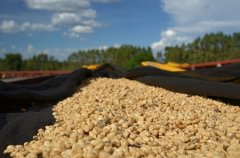
Guatemala Micro Nanguo Highland Coffee Manor introduction of boutique coffee producing areas introduction of Guatemala
Of the three major non-volcanic coffee-producing regions in Guatemala, the Weitango Highlands has the driest climate and the highest elevation. The dry and hot wind from Mexico's Tehuantepec plateau protects the coffee from frost and can be grown to 2000 meters (6500 feet). Because of its remote location, all coffee farmers have to process their own coffee, but fortunately there are no streams in the area.
2016-03-31 Guatemala Micro Tenan Highlands Coffee Manor introduction Fine goods producing areas danger
Boutique single Coffee Lake Titicaca in Bolivia tapping Pagabana small farmers wash iron pickup truck
The advantage of Bolivian coffee lies in its high altitude and excellent varieties of coffee, where the traditional Tibica and a small amount of Kaddura are highly valued in the world market. In the past, coffee trees in Bolivia used to act as hedges and ornaments around the garden. Real commercial production began in the early 1950s. The great frost in 1957 seriously damaged Pakistan.
2016-07-04 Boutique individual Coffee Bolivia Lake Titicaca producing area Tupa Panas
South Africa is fragrant with less acidity, reminiscent of Central American coffee beans
South Africa is fragrant with less acidity, reminiscent of Central American coffee beans. Coffee production in South Africa (South Africa) is mainly in the northeast of the country, from Natal between Transvaal and Mozambique, extending northward to Transvaal, with a southernmost limit of latitude 30 south. Further south, it cannot be caused by early frost.
2016-05-31 South Africa taste aroma acidity less reminiscent Central America coffee beans
Bolivian Coffee Flavor description Grinding characteristics introduction of High-quality Coffee beans in producing areas
We know that Arabica coffee cannot be grown in cold places above 2000 meters above sea level. if the altitude is too high, coffee trees will frost because the temperature is too low. So Bolivian coffee is mainly grown in the Yungas region northeast of La Paz. It borders the Amazon basin and is about 1500-2500 meters above sea level with an average annual temperature of about 10-15 ℃. Therefore, guarantee
2016-10-13 Bolivia coffee flavor description grinding characteristics variety producing area boutique
Three primary coffee beans
Arabica: Origin of Ethiopia, equivalent to the rich and handsome coffee beans, belong to the precious coffee beans. It is grown at an altitude of 700-2000 meters and accounts for 75-80% of the world's coffee production. It has excellent flavor and aroma, low caffeine content, caffeine content of about 1-1.5% of its weight, but for drying, frost, disease
2016-08-30 coffee three big original bean seed rabbi card seed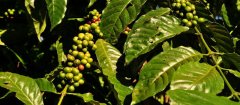
South Africa is fragrant with less acidity, reminiscent of Central American coffee beans
It is fragrant with less acidity, reminiscent of coffee beans from Central America. Coffee production in South Africa (SouthAfrica) is mainly in the northeast of the country, from Natal between Transvaal and Mozambique, extending northward to Transvaal, with a southernmost limit of latitude 30 south. Further south, coffee cannot be grown due to the harm of early frost.
2016-05-20 South Africa taste aroma acidity less reminiscent Central America coffee beans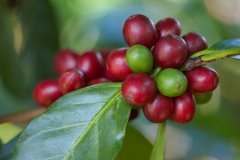
Bolivia's coffee production Metro Bica varieties of American boutique coffee beans in Lake Tata
Bolivian coffee market: coffee grown in Bolivia, in which Arabic washed coffee beans are exported to Germany and Sweden, is not the best taste today, and with a bit of bitterness. In the past, Bolivian coffee trees used to act as hedges around gardens and decorate flowers and trees. Real commercial production began in the early 1950s. The great frost of 1975 was severe.
2016-07-08 Bolivia coffee subway Bika variety America boutique coffee beans tower
Guatemala boutique coffee producing area introduces Wei Wei coffee beans in Mini Nanguo Highland Coffee Manor.
Of the three major non-volcanic coffee-producing regions in Guatemala, the Weitango Highlands has the driest climate and the highest elevation. The dry and hot wind from Mexico's Tehuantepec plateau protects the coffee from frost and can be grown to 2000 meters (6500 feet). Because of its remote location, all coffee farmers have to process their own coffee, but fortunately there are no streams in the area.
2016-03-25 Guatemala boutique coffee producing area introduction Wei Tenan Highland Manor