“Flowering” search results (668)

Introduction to high-quality coffee
Introduction of coffee [scientific name] small seed species is Coffea arabica L., medium grain species is Coffea canephora, large seed species is Coffea liberica [alias] small seed species, also known as Arabian species, medium seed species is also known as Ganfla species, large grain species are also known as Liberian species, there are two common species: Arabica and Robusta. Coffea, Rubiaceae (Rubia)
2014-11-06 Coffee knowledge boutique coffee science coffee introduction
Yunnan small Coffee Fine Coffee Bean introduction Iron Card
Typica and Bourbon, two classic high-quality coffee varieties, are the main coffee varieties in Yunnan. In 1991, Katimo Catimor series varieties were introduced from Kenya (with stronger anti-virus ability and higher yield). A variety of Arabian species (also known as small seed species). Because the morphology and habits of the two varieties are similar, the two varieties are mostly mixed. Iron
2016-07-15 Yunnan small grains coffee boutique coffee beans introduction pickup Tiebi Typic
Coffee tree common sense introduction
The coffee tree is native to Ethiopia in Africa. Coffee tree in botany, belongs to the Rubiaceae coffee subgenus evergreen tree, and generally known as coffee beans, in fact, coffee tree fruit seeds, only because of the shape like beans, so called coffee beans.
2014-07-17 Coffee knowledge coffee tree knowledge coffee encyclopedia
Coffee trees-production conditions Coffee pull flowers & #160; pull is not round
1. Planting conditions of coffee trees the ideal planting conditions of coffee trees are as follows: the temperature climate is between 15-25 ℃, and the annual rainfall must reach 1500-2000 mm, and the rainfall time should be in line with the flowering cycle of coffee trees. Of course, in addition to the seasonal rainfall, there should also be fertile soil and good drainage. Fertile soil containing volcanic ash
2016-06-12 Coffee production conditions coffee planting conditions optimal temperature intermediate
Boutique Coffee Science talk about Coffee Fruit
The fruit is a berry, also known as comb fruit. Oval, 9-14 mm long, young fruit green, red at maturity, purplish red. Each fruit generally has two seeds, but also one or three, showing a semi-oval, there is a longitudinal groove, called grooves. The structure of a fruit in which the exocarp consists of a thin layer of hardwood human cells with stomata; the mesocarp (that is, pulp) is large and Lignified by several layers of polygons.
2014-10-15 Coffee knowledge coffee fruit boutique coffee science
Introduction to coffee tree knowledge
The coffee tree is native to Ethiopia in Africa. Coffee tree in botany, belongs to the Rubiaceae coffee subgenus evergreen tree, and generally known as coffee beans, in fact, coffee tree fruit seeds, only because of the shape like beans, so called coffee beans. Climate is the decisive factor for coffee cultivation. Coffee trees are only suitable for growing in the tropics or subtropics, so latitude 25 degrees north and south.
2015-02-11 Boutique Coffee Common sense Basics Introduction Origin Africa Ethiopia
Cultivation techniques of small-grain coffee: irrigation and fertilization
Fertilization is one of the key measures for high yield of cultivated coffee. According to the data, for every 1 kg of dried beans harvested, coffee trees absorb 70 grams of nitrogen, 14 grams of phosphorus and 76 grams of potassium from the soil.
2014-06-17 Coffee knowledge small grain coffee coffee cultivation techniques
Common sense of coffee tree
The origin of the coffee tree is Ethiopia in Africa. In botany, coffee trees belong to the evergreen trees of the subgenus Rubiaceae, and coffee beans, commonly known as coffee beans, are actually the seeds of the fruit of coffee trees. They are called coffee beans only because they are shaped like beans. Climate is the decisive factor for coffee cultivation. Coffee trees are only suitable for growing in the tropics or subtropics, so latitude 25 degrees south and north.
2014-08-08 Coffee knowledge coffee tree common sense coffee encyclopedia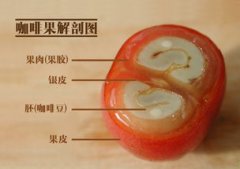
What does coffee look like, the first step to coffee?
The fruit is oval, berry, dark red, and contains two seeds, known as coffee beans. The first flowering period of the white flower red fruit coffee tree is about three years old. The white flower has five tubular flowers, with a faint jasmine fragrance. The inflorescences are dense and arranged in clusters. Flowers, flowering two or three days later will die, a few months later began to bear fruit. the fruit is
2015-03-14 coffee tree length what appearance recognition first step
Planting techniques of small Coffee trees in Yunnan: irrigation and fertilization
Fertilization is one of the key measures for high yield of cultivated coffee. According to the data, for every 1 kg of dried beans harvested, coffee trees absorb 70 grams of nitrogen, 14 grams of phosphorus and 76 grams of potassium from the soil.
2014-09-02 Coffee knowledge small grain coffee coffee tree planting techniques irrigation fertilization
Introduction to the common sense of coffee tree
The origin of the coffee tree is Ethiopia in Africa. In botany, coffee trees belong to the evergreen trees of the subgenus Rubiaceae, and coffee beans, commonly known as coffee beans, are actually the seeds of the fruit of coffee trees. They are called coffee beans only because they are shaped like beans. Climate is the decisive factor for coffee cultivation. Coffee trees are only suitable for growing in the tropics or subtropics, so latitude 25 degrees south and north.
2014-11-26 Coffee knowledge coffee tree knowledge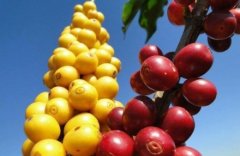
Coffee tree common sense Coffee tree origin in Ethiopia
The coffee tree is native to Ethiopia in Africa. Coffee tree in botany, belongs to the Rubiaceae coffee subgenus evergreen tree, and generally known as coffee beans, in fact, coffee tree fruit seeds, only because of the shape like beans, so called coffee beans. Climate is the decisive factor for coffee cultivation. Coffee trees are only suitable for growing in the tropics or subtropics, so latitude 25 degrees north and south.
2015-01-19 coffee common sense origin Ethiopia Africa
Basic knowledge of fine coffee Coffee tree knowledge Introduction
The coffee tree is native to Ethiopia in Africa. Coffee tree in botany, belongs to the Rubiaceae coffee subgenus evergreen tree, and generally known as coffee beans, in fact, coffee tree fruit seeds, only because of the shape like beans, so called coffee beans. Climate is the decisive factor for coffee cultivation. Coffee trees are only suitable for growing in the tropics or subtropics, so latitude 25 degrees north and south.
2015-03-04 Boutique Coffee Basics Common Sense Introduction Origin Africa Ethiopia
A brief introduction to the basic knowledge of Coffee
The origin of the coffee tree is Ethiopia in Africa. In botany, coffee trees belong to the evergreen trees of the subgenus Rubiaceae, and coffee beans, commonly known as coffee beans, are actually the seeds of the fruit of coffee trees. They are called coffee beans only because they are shaped like beans. Climate is the decisive factor for coffee cultivation. Coffee trees are only suitable for growing in the tropics or subtropics, so latitude 25 degrees south and north.
2014-10-29 Coffee knowledge coffee basics coffee tree common sense
Common sense of Coffee Tree introduces the basic knowledge of coffee
The origin of the coffee tree is Ethiopia in Africa. In botany, coffee trees belong to the evergreen trees of the subgenus Rubiaceae, and coffee beans, commonly known as coffee beans, are actually the seeds of the fruit of coffee trees. They are called coffee beans only because they are shaped like beans. Climate is the decisive factor for coffee cultivation. Coffee trees are only suitable for growing in the tropics or subtropics, so latitude 25 degrees south and north.
2015-04-24 Coffee common sense introduction basics coffee origin Africa Ethiopia plants
Yunnan Tieka Coffee Bean processing Variety taste characteristics Grinding degree Manor production area introduction
The so-called new variety of Yunnan Tiepika boutique coffee beans actually refers to catimor (Katimo), which is a hybrid of the timor species of the Roberta family and Arabica. Compared with the old varieties, it lacks rich aroma and taste, and has a relatively shallow smell of grass and soil, but its advantages are resistance to diseases and insect pests, easy to manage, high yield, and its yield per mu can reach up to 35.
2016-10-24 Yunnan pickup coffee beans treatment variety taste characteristics grinding manor region
Introduction to the flavor and taste characteristics of Panamanian coffee manor Baru volcano
Microclimatic characteristics average annual rainfall: 2400 mm, rainy season (May to November) the main sunshine period: the flowering period from the end of February to early May has 4-5 times a year. In the dry season with abnormal climate, there is often thick fog and high humidity in the first half of the dry season. The main cup test report of Arida's award-winning batches is dry aroma: dark berries, sweetness, manor chocolate, flower aroma, grease aroma. Damp fragrance
2016-07-12 Panama Coffee Manor producing area Flavor palate characteristics introduction Allie Baru
Yunnan Arabica Coffee Introduction Boutique Coffee
Arabica coffee is suitable for growing in the mountains of 800~1800 meters above sea level. If the altitude is too high, it tastes sour, and if it is too low, it tastes bitter. Arabica coffee is mostly planted in dry and hot valleys at an altitude of about 1100 meters, so the acidity is moderate, the aroma is rich and mellow. Many areas of Yunnan Province have unique environments suitable for the growth of Arabica coffee, and the Arabica coffee produced is of excellent quality. plantation owner
2016-07-04 red top coffee yunnan small grain introduction fine main origin
Introduction to the quality and taste characteristics of Yunnan Tieka coffee bean flavor description treatment
Yunnan coffee beans introduce that the quality of coffee depends on the environment, climate, cultivation and management techniques and other factors. Its excellent growth environment is low latitude, high altitude, sufficient rainfall and suitable sunshine, so the north latitude is 15. The ideal growing area for coffee is between the Tropic of Cancer and the Tropic of Cancer. Our planting base in Yunnan is located at 23 ℃ north latitude and 99 ℃ east longitude. The base is 1230 meters above sea level and high.
2016-10-20 Yunnan pickup coffee beans flavor description treatment quality taste characteristics grinding
Introduction to the planting environment of varieties in Yunnan Huaguoshan flavor coffee by cold extraction time grinding scale treatment
Baoshan: the cultivation of coffee in Baoshan began in the mid-1950s, and the first coffee seedling was introduced by the late patriotic overseas Chinese Mr. Liang Jinshan in Southeast Asia. The local famous Lujiangba small grain coffee is of excellent quality. It was rated as first class in London, England as early as the late 1950s. In recent years, with the expansion of international trade, Lujiangba's small-grain coffee is more famous. Europe, the United States, Afghanistan
2016-10-19 Yunnan Huaguoshan Flavor Coffee extract time Grinding scale treatment Variety