“Fertile” search results (7618)

Taste of Nicaraguan Coffee with fertile soil introduces Matagalpa
Dipilto is one of the smallest municipalities directly under the Central Government in Nicaragua, covering an area of 106square kilometers. 90% of the population, 5000 of the residents live in rural areas. Dipilto is famous for its pine forests, warm climate, religion, people's loyalty and its high-quality coffee. Coffee cultivation is one of the traditions maintained by the local people of Dipilto. The fertile soil is full of organic matter
2016-07-13 Have fertile soil Nicaragua coffee flavor taste introduction Mataga
Introduction of Nicaraguan coffee with a unique environment and fertile volcanic soil
Madriz is an ecological coffee with a very hard shell. In the pure natural planting environment, it uses more complex operations to maintain the delicate aroma and taste of the coffee; it is produced in northern Nicaragua between Matagalpa and Jinotega, with an average annual rainfall of 1500-1700mm and a temperature of 20-29 degrees Celsius. All use manual selection of coffee.
2016-06-24 Have Tiandu thick environment all over fertile volcano soil Nicaragua coffee
A coffee-producing country in Jamaica with fertile new volcanic soil conducive to growing coffee
Most of the Blue Mountains are more than 1800 meters above sea level, of which the highest peak is 2256 meters above sea level. It is also the highest peak in the Caribbean and is a famous tourist attraction. The unique flavor of Blue Mountain Coffee is related to its unique geographical location and climatic conditions. Blue Mountain is located in the coffee belt between 25 degrees north latitude and 25 degrees south latitude, with fertile new volcanic soil, fresh air, no pollution, all the year round.
2016-06-18 Have benefit grow coffee fertile new volcano volcano soil Jamaica produce
Introduction of fertile volcanic soil and low moisture Antigua coffee in Guatemala
Like all Guatemalan boutique coffee, Antigua coffee is grown in shade. In Antigua, shade is mainly used to protect coffee trees from frost, which is cold and sometimes frosty from December to February every year. Dense shade and extremely shallow aquifers work together to create a unique micro-climate for the coffee trees living in it.
2016-06-21 Fertile volcano soil moisture Guatemala Antioch coffee introduction all danger
Bolivian coffee grown from melted snow from alpine mountains, pollution-free and fertile volcanic soil
Takesi Manor, drinking water and coffee after harvest treatment, using alpine melting cold snow landscape, so we give her a nickname: Takesi Snow vein Manor; in addition to low temperature, pollution-free environment, fertile and well-drained volcanic soil, is also an element of coffee flavor, although the owner of Agrotakesi SA is rich, but deep respect for nature and the way to get along, but
2016-06-22 From alpine melted snowy pollution-free and fertile volcanic soil Bolivia
Introduction to Joy Manor, a coffee farm in Nicaragua, which is covered with fertile volcanic ash soil.
Nicaragua | Nicaraguan Coffee Nicaragua coffee Nicaraguan Coffee beans w.kaf.name "Nicaragua is one of the major coffee producing countries and produces high quality coffee. Even coffee from the Antigua Mountains of Guatemala, which is famous in Asia, imports raw beans from Nicaragua. Nicaraguan coffee is not well known in Asia, but in fact, Nicaraguan coffee is already
2016-07-13 Spread fertile volcanic ash soil Nicaragua coffee manors producing areas joy
More fertile soil in the south-central coffee producing area of Puerto Rico Larez Yaoke Coffee
Yaocote's choice of coffee, which is grown only on three farms in the southwest of the island, is fragrant and has a long aftertaste. This kind of coffee is very expensive and its flavor is comparable to that of any other coffee variety in the world. In the Yauco area, the coffee is owned and operated by local planters. The mountain climate here is mild, and the plants have a long mature period (from October to February of the following year).
2016-06-30 Soil more fertile Puerto Rico Coffee producing areas South Central Les Yaoke
Introduction to Rwanda Malaba Coffee grown in fertile volcanic soil on high-altitude hills
In 2000, the Mayor of Malaba requested development assistance from the National University of Rwanda (UNR), which is located near the city of Butare, and the following year, the National University of Rwanda assisted in the establishment of the Joint strengthening Rwanda Agricultural Partnership (PEARL). PEARL is also supported by several organizations: the United States Agency for International Development (USAID), Michigan State University, Texas A & M University, and
2016-06-20 Planting high altitude hills fertile volcanoes soil Rwanda Malaba la
Introduction of Kenyan coffee beans in the central mountain area of Nyeri, which is covered with coffee on fertile land.
The government takes the coffee industry very seriously, where it is illegal to cut down or destroy coffee trees. Kenyan coffee buyers are world-class buyers of premium coffee, and no country can grow, produce and sell coffee on a continuous basis like Kenya. All the coffee beans were first acquired by the Kenya Coffee Commission (coffee Board of Kaeya, referred to as CBK).
2016-06-20 Tread fertile land knot coffee Nyeri central mountain area
Introduction to the taste of Panamanian boutique coffee bean rose summer coffee with rich nutrition and fertile soil
Democratic Reform Party: the largest party. It was established in May 1998 and merged into the former Patriotic Union Party in March 2011. There are now 473000 party members. The chairman is current President Ricardo Martinelli and General Secretary Romulo Ross. Nationalist Republican Freedom Movement: founded in August 1982 and now has 112000 party members. The party emphasizes the incorruptible politics of representative democracy, and advocates with the United States and the United States.
2016-08-19 Rich nutritious fertile soil Panama boutique coffee beans rose summer coffee wind
With fertile land and humid climate, Rain Water's rich Cuban coffee producing country introduces fine coffee.
Cuba is like a crocodile crouching in the Caribbean, her tail brushing right on the Tropic of Cancer. Cubans have always been known for their enthusiasm, but they are also very sincere and stubborn. The same is true of their coffee, which has always been carried out in accordance with Arab coffee washing standards, and they have always adhered to their unique traditional methods of making coffee, which is extremely extreme in controlling roasting.
2016-06-23 Land fertile climate humid Rain Water abundant Cuba coffee producing country introduction
Introduction of Cuban coffee beans with humid climate, abundant Rain Water and fertile land
In Cuba, most of the coffee beans are picked by hand. Coffee beans are picked about every half a month during the ripening period. During or after picking, coffee beans are classified and those immature and bad beans are removed to ensure the quality of the coffee. Cubans usually deal with coffee beans in two ways: sun exposure and water washing. Sunbathing is the easiest,
2016-06-17 Climate moist Rain Water abundant land fertile Cuba coffee beans introduction
Coffee Development History of Rwanda Coffee Culture of Rwanda Coffee Origin of Rwanda
The country mainly produces coffee the country opens the international road with the coffee industry in Rwanda coffee production in Rwanda: there are about 33000 hectares of coffee plantations in Rwanda and 500000 people are engaged in the coffee industry. With good natural conditions of high altitude and fertile volcanic soil, the country's fertile soil and suitable climate contribute to plant growth, and coffee trees seem to be driven or driven.
2016-05-29 Rwanda Coffee Development History Coffee Culture Origin country Major
Global Coffee producing area-introduction to the characteristics of Rwandan Coffee
Coffee production in Rwanda: there are about 33000 hectares of coffee plantations in Rwanda and 500000 people are engaged in coffee cultivation. With the good natural conditions of high altitude and fertile volcanic soil, the country's fertile soil and suitable climate contribute to plant growth, and coffee trees seem to be driven or forced to grow upward, or because they grow too fast to produce the best coffee beans.
2016-06-05 Global Coffee Origin Rwanda characteristics introduction about
Coffee growing environment
A warm climate with temperatures ranging from 15 ° C to 25 ° C, and rainfall of 1500 mm to 2000 mm throughout the year, at the same time, its rainfall should be able to match the flowering cycle of coffee trees. Of course, in addition to seasonal and rainfall coordination, there must be fertile soil. The soil most suitable for coffee cultivation is fertile, well drained soil containing pozzolanic matter. In addition, although sunlight is coffee
2015-03-02 planting coffee environment temperature intermediate warm climate and annual
Introduction of Costa Rican Coffee producing area with very fertile soil
The research center, located about 30 kilometers northeast of San Jose, the capital of Costa Rica, belongs to the Costa Rican Coffee Association and is the research institution for planting, breeding and quality inspection of Brazilian coffee fruits in Costa rica. in addition, it also has 10 hectares of experimental plots, planting a number of excellent varieties. Coffee is the main agricultural product in Costa Rica, with an annual output of more than 2 million bags
2016-06-23 Volcano soil very fertile Costa Rica coffee producing area introduction located in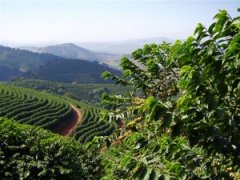
Costa Rican boutique coffee roasting training
As many people know in the boutique coffee world, Costa Rica Tarazhu is located in the fertile volcanic region of Central America, where it has a humid climate and fertile volcanic soil, abundant rainfall throughout the year, high altitude and dense forest natural shade. It provides a unique growth environment for coffee growth. Today, the Brista Coffee West Point training school is going to bring for friends.
2014-09-25 Coffee knowledge Costa Rica coffee roasting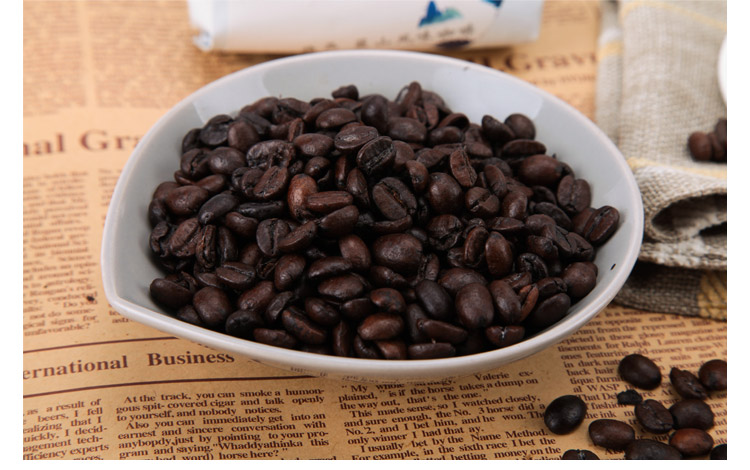
Rwanda Coffee Flavor Rwanda Coffee characteristics Rwanda coffee taste
There are about 33000 hectares of coffee plantations in Rwanda, with 500000 people engaged in the coffee industry. With the good natural conditions of high altitude and fertile volcanic soil, the country's fertile soil and suitable climate contribute to plant growth, and coffee trees seem to be driven or forced to grow upward, or because they grow too fast to produce the best coffee beans. Luwang, the beautiful land of a thousand hills
2016-08-29 Rwanda coffee flavor characteristics taste about 33000 ha
Rwanda coffee producing area China Coffee Network delicious single coffee fruit sour coffee black coffee
Coffee production in Rwanda: there are about 33000 hectares of coffee plantations in Rwanda and 500000 people are engaged in coffee cultivation. With the good natural conditions of high altitude and fertile volcanic soil, the country's fertile soil and suitable climate contribute to plant growth, and coffee trees seem to be driven or forced to grow upward, or because they grow too fast to produce the best coffee beans.
2016-04-16 Rwanda coffee origin China delicious single product fruit acid black
Introduction to the characteristics of coffee producing areas in Rwanda
Coffee production in Rwanda: there are about 33000 hectares of coffee plantations in Rwanda and 500000 people are engaged in coffee cultivation. With the good natural conditions of high altitude and fertile volcanic soil, the country's fertile soil and suitable climate contribute to plant growth, and coffee trees seem to be driven or forced to grow upward, or because they grow too fast to produce the best coffee beans.
2016-06-12 Rwanda coffee origin characteristics introduction approx. 3