“Exporters” search results (2172)

Ethiopian Solar Yega Shifeiwaka Coffee Flavor description Grinding degree Taste treatment method
The world-famous Ethiopian coffee is mainly as follows: 1. Limu coffee grows between 1400 meters and 2000 meters above sea level. Wash the coffee. Excellent quality, with strong nut aromas, suitable acidity, with the intensity of wine. The annual output is 29000 tons. 2. Jima Coffee grows between 1400 and 1800 meters above sea level. Sun-baked coffee. Slightly sour, with nutty aromas and a long finish. Annual output
2016-10-06 Ethiopia Sun Yega Sheffield Wauka Coffee Flavor description Grinding
Introduction to the characteristics of Indonesian Mantenin Coffee beans Lindong, Sumatra Island
This coffee trip visited several famous coffee exporters in MEDAN, the capital of Sumatra. The first is, of course, my supplier PAWANI. I am now their first authorized distributor in China. Hehe, PAWANI has a history of 56 years since its establishment. The founder, Mr. Dudebar, and two companions founded PAWANI, which means a long time.
2016-06-15 Nieman Tenin coffee beans characteristics introduction Sumatra Lin Dong this time coffee
Introduction of Brazilian Coffee Brand characteristics, Flavor description, Price, taste and Fine Coffee
Other kinds of Brazilian coffee, such as Rio and Parana, can be produced in large quantities because they do not need too much care. Although they taste rough, they can be regarded as a kind of good and cheap coffee. Because they are distributed all over Brazil and their solid quality varies, they have their own standards (NO.2~NO.8 according to the number of sundries, NO.13~NO.19 according to the size of beans, and six according to taste).
2016-10-11 Brazil coffee brand characteristics flavor description price taste boutique introduction
Introduction to the Export and sales of Colombian Coffee Lazmus Manor
Colombia is one of the most important coffee exporters in the world. According to the statistics of the International Coffee Organization, Colombian coffee exports accounted for an average of 17% of the world's total coffee exports in 1991 and 1996, second only to Brazil (24% of the world's total exports). In 1998, the total coffee exports of the member states of the organization were 79.5 million bags, of which Brazil accounted for 22.9%, Colombia 14.2% and Vietnam 8.1%.
2016-07-14 Colombia Coffee Export and its sales situation introduction Raz Moss Chuang
Brazilian Coffee with mellow Flavor: introduction to Brazilian Fine Coffee
Brazilian coffee generally refers to coffee produced in Brazil. There are many kinds of coffee in Brazil. Like other Arabica coffee, Brazilian coffee is called Brazilian coffee Brazils to distinguish it from Milds coffee. The vast majority of Brazilian coffee is unwashed and sun-dried and is classified according to the name of the state of origin and port of transport. Brazil has 21 states and 17 states produce coffee, but among them
2016-07-19 Taste mellow Brazil coffee flavor characteristics introduction boutique
Sumatran Coffee Flavor production area introduces Sumatran Coffee Variety La Suna Wahanna Manor
The second coffee trip visited several famous coffee exporters in MEDAN, the capital of Sumatra. The first is, of course, my supplier PAWANI. I am now their first authorized distributor in China. Hehe, it has been 56 years since the establishment of PAWANI. The founder, Mr. Dudebar, and two companions founded PAWANI, which means a long time. P
2016-07-26 Sumatra Coffee Flavor producing area introduction Variety Lassu Nava Hana Zhuang
Ethiopian boutique coffee Ethiopia boutique coffee flavor Ethiopian boutique coffee
Coffee is Ethiopia's most important export cash crop and the main source of Ethiopia's foreign exchange earnings. Ethiopia's coffee exports account for about 3% of the world market, making it the eighth largest coffee exporter in the world. Coffee exports increased steadily from 58000 tons in 1990-91 to 110000 tons in 1995-96 and remained at this level in the following years. 2001-2002
2016-03-19 Ethiopia boutique coffee flavor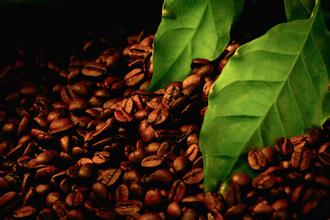
Ethiopian Coffee Flavor description Grinding degree Taste characteristics introduction of fine coffee beans
Washed coffee accounts for 35% of exports. Good quality washed coffee is processed with freshly picked fully ripe fruit, picked carefully and closely monitored by professionals. The picked clean coffee beans are pulped on the day of picking, then fermented, washed, dried and peeled. The humidity of processed coffee beans is kept at about 12%. Sun-cured coffee accounts for 65% of exports. Mainly by
2016-10-07 Ethiopia coffee flavor description grinding taste characteristics variety boutique
Introduction to the flavor and taste characteristics of moderately roasted Brazilian boutique coffee beans
Brazilian coffee generally refers to coffee produced in Brazil. There are many kinds of coffee in Brazil. Like other Arabica coffee, Brazilian coffee is called Brazilian coffee Brazils to distinguish it from Milds coffee. The vast majority of Brazilian coffee is unwashed and sun-dried and is classified according to the name of the state of origin and port of transport. Brazil has 21 states and 17 states produce coffee, but among them
2016-07-13 Medium roasted Brazil boutique coffee beans flavor taste characteristics introduction
Mild aromas Brazilian coffee Flavor description Treatment characteristics Variety Taste
Coffee production has gradually become a science since the introduction of coffee trees from Guyane française in 1720. Before 1990, the Brazilian government strictly controlled the coffee industry, with both severe interference and price protection measures, and the state has always implemented minimum price protection measures for farmers, resulting in coffee overproduction. Before World War II, surplus stocks amounted to 780
2016-10-15 Aroma Softness Brazilian Coffee Flavor Description Handling Characteristics Variety Taste
Ethiopian fine coffee with intense nutty aromas Taste Introduction
Coffee is Ethiopia's most important export cash crop and the main source of foreign exchange earnings. Ethiopia's coffee exports account for about 3% of the world market share, making it the eighth largest coffee exporter in the world. Coffee exports increased steadily from 58,000 tons in 1990-1991 to 110,000 tons in 1995 - 1996 and remained at that level for the next few years. 2001 - 2002
2016-07-19 rich nutty aroma ethiopia fine coffee flavor taste presentation
Taste of Brazilian Coffee introduce the characteristics of Brazilian Coffee Brand Brazilian Coffee in Manor
Old bourbon coffee is grown on some estates in the Serrado district of Minas Greais state in southeastern Brazil. Old varieties of bourbon coffee grown on these estates, such as Capin Branco and Vista Allegre, are also sold on the market. Although they come from the same area, there are different kinds of coffee.
2016-07-20 Brazil Coffee Flavor Taste Manor producing area introduction Brand characteristics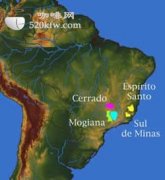
Coffee knowledge Coffee Origin Brazil
The low-acidity, moderately roasted coffee beans from the World Coffee Center are vividly compared to the giants and monarchs of the coffee world. There are about 3.97 billion coffee trees there, and small farmers now grow 75% of the country's coffee. The number of coffee producers in Brazil is twice or even three times that of Colombia, the second largest coffee producer in the world. With
2014-10-09 Coffee knowledge coffee producing area
Ethiopian Limu Coffee introduces the Manor of Coffee producing area
Coffee is Ethiopia's most important export cash crop and the main source of Ethiopia's foreign exchange earnings. Ethiopia's coffee exports account for about 3% of the world market, making it the eighth largest coffee exporter in the world. Coffee exports increased steadily from 58000 tons in 1990 to 110000 tons in 1995-1996 and remained at this level in the following years. 2001-2002
2016-06-16 Ethiopia Tochigi Coffee introduction producing area Manor
What kinds of coffee do you have in Brazil
Brazilian coffee generally refers to coffee produced in Brazil. There are many kinds of coffee in Brazil, and like other Arabica coffee, Brazilian coffee is called "Brazils" to distinguish it from "Milds" coffee.
2014-07-15 Coffee knowledge Brazilian coffee coffee types
Colombian coffee is classified according to defective beans.
According to the classification of defective beans, defective beans can be divided into two types:-first: called first-class defects-second: called second-level defects. First: main defects (defects that affect the taste characteristics of coffee): black beans. Private exporters of moldy beans or sour beans: no more than 12 national coffee committees: no more than 8 first-level defective beans, second: secondary defects
2015-04-15 Columbia coffee grading according to defect classification basis score
Introduction to Ethiopian Coffee
Ethiopia is one of the major producers of Arabica coffee in Africa, producing the best Arabian coffee in the world.
2014-07-09 Coffee knowledge Ethiopia Coffee Encyclopedia
Boutique Coffee Coffee from Brazil
The low-acidity, moderately roasted coffee beans from the World Coffee Center are vividly compared to the giants and monarchs of the coffee world. There are about 3.97 billion coffee trees there, and small farmers now grow 75% of the country's coffee. The number of coffee producers in Brazil is twice or even three times that of Colombia, the second largest coffee producer in the world. With
2014-10-23 Coffee knowledge boutique caffeine coffee origin Brazil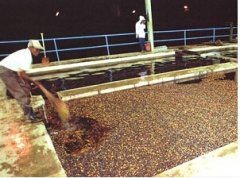
Characteristics of Colombian boutique coffee beans Colombian boutique coffee
According to the classification of defective beans, defective beans can be divided into two types:-first: called first-class defects-second: called second-level defects. First: main defects (defects that affect the taste characteristics of coffee): black beans. Private exporters of moldy beans or sour beans: no more than 12 national coffee committees: no more than 8 first-level defective beans, second: secondary defects
2016-03-18 Columbia boutique coffee grading coffee beans characteristics according to defects classification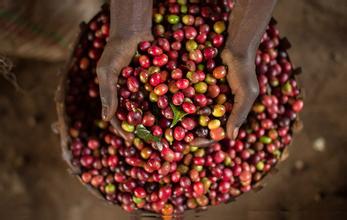
Boutique coffee beans Ethiopian coffee the latest coffee introduction unique flavor
Coffee is Ethiopia's most important export cash crop and the main source of Ethiopia's foreign exchange earnings. Ethiopia's coffee exports account for about 3% of the world market, making it the eighth largest coffee exporter in the world. Coffee exports increased steadily from 58000 tons in 1990 to 110000 tons in 1995-1996 and remained at this level in the following years. 2001-2002
2016-01-01 Boutique coffee beans Ethiopia coffee latest introduction flavor unique