“Essel” search results (173)

The characteristics of Essex Coffee Yega Snow Coffee Manor
The natural characteristics of coffee beans include large
2016-06-14 Essex coffee specialty Yega snow coffee manor
Ethiopian coffee producing region Flavor Description Ethiopian Yegashfi coffee characteristics Taste introduction
The coffee tree originated in Ethiopia, where it was originally a wild plant, and the name coffee comes from the Ethiopian town of Kaffa. Humans probably knew how to cultivate coffee trees as early as the 9th century. Ethiopia coffee origin: Ethiopia many coffee
2023-01-05 Ethiopia Coffee Unique Flavor Characteristics Origin
Boutique Coffee introduction to the coffee industry in Ethiopia
Ethiopian coffee is one of the objects studied by many coffee people, and the export of Ethiopian coffee is also very influential in the international arena. Coffee is Ethiopia's most important export cash crop and the main source of Ethiopia's foreign exchange earnings. Ethiopia's coffee exports account for about 3% of the world market, making it the eighth largest coffee exporter in the world. Coffee export volume from 1990 to 1991
2015-12-08 Boutique coffee Ethiopia introduction
Introduction to the blending method of Italian Coffee and single Coffee
Indonesia AP-1 is located in Java, Indonesia, robusta coffee, sweat-resistant and insect-resistant; bitter taste, but bitter with fragrance, especially after cooling with a unique sweet taste, suitable for the preparation of cold coffee, is mellow and extremely bitter. Tanzania Kilimanjaro Tanzania Chag AA Coffee (Chagga AA) is famous for its full-grained and fragrant quality. Brazilian texture
2016-06-27 Italian style coffee single product blending method introduction
Taste characteristics of Ethiopian Coffee Manor Flavor description and introduction of varieties producing areas
Ethiopian coffee beans grow in close to the natural environment, after years of planting under the same growth conditions, Ethiopian coffee beans have gradually adapted to the environment here. More than 60% of coffee beans are grown in forests or semi-forests. Large-scale coffee-growing villages account for about 35% of the country's total coffee production. Many of these are used.
2016-10-15 Ethiopia Coffee Manor Flavor description processing Taste characteristics varieties
Flavor description method of Ethiopian Coffee Manor introduction to the taste of varieties in producing areas
Ethiopia's geographical environment is very suitable for coffee growth. Coffee is mainly grown in the southern highlands between 1100 and 2300 meters above sea level. The main coffee producing areas are Harar, Limu, Djimma, Sidamo, Kaffa, Yergacheffe and Wellega. The soil drainage in these areas is good.
2016-10-13 Ethiopia Coffee Manor Flavor description treatment characteristics Variety producing area
Introduction to the Flavor and Taste Manor of Ethiopian Fine Coffee beans
Ethiopian people are addicted to coffee. In 2003, domestic consumption accounted for 42.3% of the total output, with a per capita consumption of 3 kg. But more than half of the coffee produced each year is used for export to earn foreign exchange. The main exporters include the United States, Italy, the United Kingdom, Sweden, Norway, Greece, France, Belgium, Germany and Australia. Before 1974, the right to produce, process and trade coffee was controlled by
2016-08-01 Dried fruit fragrant Ethiopia boutique coffee beans flavor taste manor producing area
Fragrant Ethiopian coffee flavor and taste introduce fine coffee beans in Ethiopian coffee producing areas
Ethiopian people are addicted to coffee. In 2003, domestic consumption accounted for 42.3% of the total output, with a per capita consumption of 3 kg. But more than half of the coffee produced each year is used for export to earn foreign exchange. The main exporters include the United States, Italy, the United Kingdom, Sweden, Norway, Greece, France, Belgium, Germany and Australia. Before 1974, the right to produce, process and trade coffee was controlled by
2016-07-29 Strong Ethiopian coffee flavor taste introduction producing area boutique coffee beans
What is the etiquette of drinking coffee?
In every corner of Ethiopia, coffee ceremonies are held at any time, and the air here is always filled with the fragrance of coffee. Those beautiful coffee girls always wear white dress with embroidered hem and smile gently and shyly, leaving a very good impression on people. Every time the reporter was invited to coffee, he drank it down and then reached for a second cup. The owner is always very
2016-06-06 coffee etiquette what dainty ethiopia every corner anytime hold

Ethiopian coffee flavor description processing characteristics of varieties of production area taste processing introduction
In the southwestern highlands of Ethiopia, the Kaffa, Sheka, Gera, Limu and Yayu Senli coffee ecosystems are considered home to Arabica coffee. These forest ecosystems are also home to a variety of medicinal plants, wildlife, and endangered species, large coffee farming villages.
2016-10-17 Ethiopia Coffee Flavor Description Processing Characteristics Variety Region Taste
Ethiopian coffee
Ethiopia is the hometown of Arabica coffee, and it is in the forests of Kaffa that you can see wild Arabica coffee. In Ethiopian, coffee is called "Bun" or "Buna". Coffee beans (coffee bean) may be translated from "Kaffa Bun". Arabica coffee was discovered early in the Harald area.
2014-06-23 Coffee knowledge Ethiopia Coffee Encyclopedia
Brief introduction of Ethiopian Coffee
Ethiopia is the hometown of Arabica coffee, and it is in the forests of Kaffa that you can see wild Arabica coffee. In Ethiopian, coffee is called "Bun" or "Buna". Coffee beans (coffee bean) may be translated from "Kaffa Bun".
2014-06-14 Coffee knowledge Ethiopia
Introduction to the methods of variety treatment in Ethiopian coffee flavor description and grinding degree production area
Washed coffee accounts for 35% of exports. Good quality washed coffee is processed with freshly picked fully ripe fruit, picked carefully and closely monitored by professionals. The picked clean coffee beans are pulped on the day of picking, then fermented, washed, dried and peeled. The humidity of processed coffee beans is kept at about 12%. Sun-cured coffee accounts for 65% of exports. Mainly by
2016-09-28 Ethiopia Coffee Flavor description Grinding degree producing area Variety treatment
Ethiopian Coffee Manor Flavor description Grinding characteristics introduction to the taste price of varieties in producing areas
Ethiopian coffee beans grow in close to the natural environment, after years of planting under the same growth conditions, Ethiopian coffee beans have gradually adapted to the environment here. More than 60% of coffee beans are grown in forests or semi-forests. Large-scale coffee-growing villages account for about 35% of the country's total coffee production. Many of these are used.
2016-10-10 Ethiopia Coffee Manor Flavor description Grinding characteristics varieties producing areas
The characteristics of Ethiopian Coffee Flavor and Taste Manor introduce the varieties of Ethiopian coffee
The natural characteristics of coffee beans include large coffee beans.
2016-07-25 Ethiopia coffee flavor taste manor producing area characteristics introduction variety
Ethiopian boutique coffee introduces Ethiopian boutique coffee taste Ethiopian coffee
Ethiopia is one of the major producers of Arabica coffee in Africa, producing the best Arabian coffee in the world. It is said that coffee was first discovered by shepherds in Essekafa, and the name of coffee evolved from Kafa, so Essex is still the hometown of coffee. The geographical environment of coffee production and processing is very suitable for coffee growth. Coffee is mainly cultivated.
2016-03-28 Ethiopia boutique coffee introduction taste
Introduction to the flavor of Ethiopian coffee
Coffee is Ethiopia's most important export cash crop and the main source of Ethiopia's foreign exchange earnings. Ethiopia's coffee exports account for about 3% of the world market, making it the eighth largest coffee exporter in the world. Coffee exports increased steadily from 58000 tons in 1990 to 110000 tons in 1995-1996 and remained at this level in the following years. 2001-2002
2016-06-05 Ethiopia coffee flavor introduction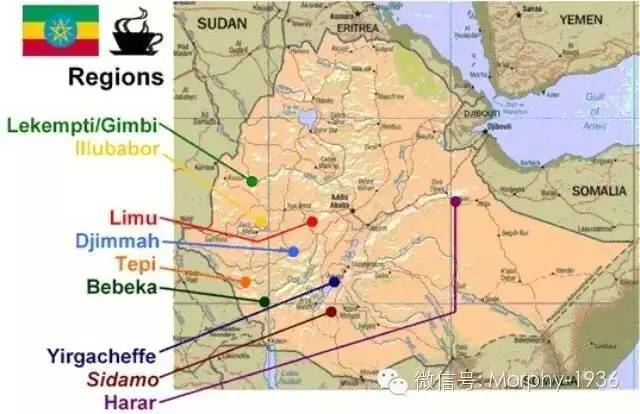
Introduction of boutique coffee beans Ethiopian coffee
Ethiopia is the hometown of Arabica coffee, and it is in the forests of Kaffa that you can see wild Arabica coffee. In Ethiopian, coffee is called Bun or Buna, and coffee beans (coffeebean) may be translated from Kaffa Bun. Arabica coffee was discovered early in the Harald area, probably from Kafa.
2015-07-09 Boutique coffee beans Ethiopia coffee introduction
Introduction to the characteristics of grinding degree of Ethiopian coffee bean name manor producing area flavor description treatment method
Ethiopian coffee bean flavor description method introduces Ethiopia, known as the birthplace of coffee, which has a history of coffee origin and traditional agricultural cultivation techniques. It is said that the English word coffee also comes from the place name kaffa in Ethiopia. Legend has it that around 900 AD, a shepherd in the Cafa region of Ethiopia was grazing in the mountains.
2016-10-21 Ethiopia coffee beans name manor producing area flavor description processing