“Environment” search results (11778)

Colombian coffee growing environment
The pure taste of Colombian coffee comes from Colombia's natural environment with the most favorable conditions for coffee growth. But beyond that, it is inseparable from the hard work of local growers. In Colombia, coffee cultivation has reached 1.07 million hectares, there are about 302000 coffee plantations in the country, and 30 to 40 per cent of the rural population depends directly on coffee production. Columby
2016-06-06 Colombia coffee planting environment pure taste from
The impact of environmental changes on coffee what affects the quality of coffee? The relationship between coffee and environment
1. Temperature change: the higher the external temperature, the finer the coffee beans will be ground; otherwise, the coffee beans will be ground coarsely. Generally speaking, the environment for coffee production is 18 to 23 degrees. two。 Changes in humidity: the greater the humidity, the thicker the coffee beans are ground. Compared with temperature and humidity, coffee production is mainly affected by ambient temperature. 3. Water quality requirements: generally speaking 70ppm (minerals in water)
2016-03-17 Environment change coffee influence what sound quality temperature outside world
The planting method of Coffee Tree the planting environment of coffee tree introduces what kind of environment is most suitable for growing coffee
Coffee fruit contains two seeds, namely coffee beans. The two beans are connected face to face with each other on one side of the plane. Each coffee bean has a thin outer film, which is called silver skin, and its outer layer is covered with a yellow outer skin, called endocarp. The whole coffee bean is wrapped in a sticky pulp to form coffee pulp, which is soft and sweet.
2016-07-11 Coffee planting way environment introduction what kind suitable coffee fruit contains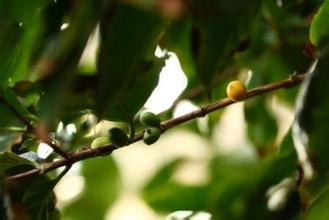
Coffee growing environment affects coffee growing environment and coffee quality Suitable soil and conditions
Coffee originated in tropical Africa, the origin of small species is the tropical plateau of Ethiopia, between 900 and 1800 meters above sea level, with an average annual temperature of 19. C. The medium-grained species originated in the tropical rain forest area of Congo, below 900 meters above sea level, with an annual average temperature of 21~26. C。They are native to shady or semi-shady forests and river valleys, so coffee needs calm wind, warm and humid
2016-01-22 coffee growth environment impact quality suitability soil condition origin
Introduction of Coffee Bean growing Environment in Ethiopia
Ethiopian coffee beans grow in close to the natural environment, after years of planting under the same growth conditions, Ethiopian coffee beans have gradually adapted to the environment here. More than 60% of coffee beans are grown in forests or semi-forests. Large-scale coffee-growing villages account for about 35% of the country's total coffee production. Many of these are used.
2016-07-05 Ethiopia coffee beans growth environment introduction coffee manor producing area
Introduction of American Hawaiian coffee beans with special growth and climatic environment
Such superior natural conditions make Arabica coffee in Kona produce more coffee than any other plantation in the world, and maintain high quality, unique growth and climate environment to create a stronger coffee flavor. But to the regret of coffee fans, only about 1400 hectares of Kona coffee is produced, although Hawaii is often affected by tornadoes.
2016-06-20 Growth climate environment United States Hawaii coffee beans introduction so superior since
Introduction to Lazmus Manor in Colombia Coffee producing area with the most favorable Natural Environment
The pure taste of Colombian coffee comes from Colombia's natural environment with the most favorable conditions for coffee growth. But beyond that, it is inseparable from the hard work of local growers. In Colombia, coffee cultivation has reached 1.07 million hectares, there are about 302000 coffee plantations in the country, and 30 to 40 per cent of the rural population depends directly on coffee production. Columby
2016-06-28 Favorable conditions natural environment Colombia coffee producing areas introduction Raz Moss
Panamanian Coffee Ilieta Manor with unique geographical environment introduces the flavor and taste of Panamanian coffee
● 's unique geographical environment Central America is a long isthmus from northern Mexico to southern Colombia, connecting North and South America. Panama is located in the southernmost part of Central America, so the country runs from east to west, not from north to south as people think. This means that the coast of the Caribbean (Atlantic) is in its north, while the Pacific is in the south. So far, Ba
2016-08-05 Unique geographical environment Panama coffee Ireta manor introduction flavor taste
The planting Environment of Colombian Coffee Tree Manning Indonesia
The pure taste of Colombian coffee comes from Colombia's natural environment with the most favorable conditions for coffee growth. But beyond that, it is inseparable from the hard work of local growers. In Colombia, coffee cultivation has reached 1.07 million hectares, there are about 302000 coffee plantations in the country, and 30 to 40 per cent of the rural population depends directly on coffee production. Columby
2016-06-08 Colombia coffee planting environment Neiman Tenin pure
Introduction to the flavor and taste characteristics of coffee growing environment in Puerto Rico with beautiful environment
Puerto Rico has been in the news lately because its government, which has been saddled with $70 billion in debt for years, officially defaulted in August. Its embarrassing situation originated from the Spanish-American War in 1898, when Spain surrendered Puerto Rico to the United States, making it a commonwealth of the United States in the Caribbean. Unlike the 50 native states,
2016-07-12 Environment Beautiful Puerto Rico Coffee planting Flavor Taste characteristics introduction Wave
The influence of the water content of coffee beans and the external environment on the formation of spices during roasting
The aromatherapy compounds of coffee beans are mainly produced by a series of complex aromatherapy reactions during the roasting period.
2014-07-04 Coffee knowledge coffee bean roasting coffee encyclopedia
Introduction of Panamanian Poket Flower Butterfly Coffee Bean Alida Manor in High altitude Environment
Coffee is grown from 1670 to 1850 meters above sea level, making it one of the two highest coffee farms in Panama (the other estate with these elevations should be Carmen in the Vulcan Valley). At such a high altitude, the low temperature delays the ripening of coffee berries, about a month later than the normal ripening period, while the fertile volcanic soil provides coffee.
2016-07-11 High altitude altitude environment Panama Pokui special flowers butterflies coffee beans Lida
Coffee Manor introduces the growing environment of boutique coffee coffee introduces what kind of environment is most suitable for growing coffee.
La Minita Farm (La Minita) most of Costa Rica's farms use water washing to produce bright, lively and sour coffee beans, and the neatness of the farm and the good security of the area make it known as Switzerland in the country's coffee country. La Minita Farm is located in a place called Tarrazu south of the capital San Jose; marks the Tarra
2016-07-06 Coffee manor introduction boutique planting environment what kind suitable Lamy Nita
Introduction to the requirements of planting environment and natural weather and climate of coffee trees in Colombia
Different kinds of coffee mature at different times. And fortunately, unlike Brazil, Colombia doesn't have to worry about frost. Approximately 2.7 billion coffee trees have been documented in Colombia, 66 per cent of which are planted in modern plantations and the rest on small traditionally run farms. The pure taste of Colombian coffee comes from Columbia, which has a coffee maker.
2016-06-12 Colombia coffee planting environment nature weather climate requirements introduction same
Introduction of Panamanian Coffee planting Environment introduction of strong varieties of Coffee Flavor
Panama Coffee growing Environment Panama is a small country located in the center of the American continent. The waters of the Atlantic and Pacific oceans flood its beaches. Panama is located at 9 degrees north latitude, the meeting point of the Central Mountains, where Mount Baru, one of the highest volcanoes in Central America, is located. The Baru volcano has an altitude of more than 11400 feet, and the land around it is rich in nutrients and fertile
2016-06-16 Panama coffee planting environment introduction strong planted flavor Bana
The Bolivian Coffee Manor in a perennial low temperature environment introduces the raw beans of Bolivian coffee
Bolivia's high-quality estates, very high altitude, perennial low temperature environment, so that coffee fruit growth is slow, tight enough, aroma is also charming, floral aroma is obvious, such as careful handling, cherries with the same maturity, often have a clean and meticulous high-end taste, this elegant vanilla and honey aromas are very attractive, this champion bean has a variety of floral aromas, vanilla and sweet very long-lasting. Whole
2016-07-05 Perennial low temperature environment Bolivia coffee manor producing area introduction raw beans glass
Introduction to the Grinding scale of planting Environment for the method of describing the Flavor of Rwandan Coffee beans
The beautiful country of thousands of hills Rwanda has a long and rich culture for growing highland coffee, mainly high-quality Arabica coffee. Rwanda accounts for 20% of the total coffee production and is also very popular in the international market. In this unique growing environment, high-quality coffee from Rwanda has a distinctive taste and aroma.
2016-10-17 Rwanda coffee beans flavor description processing price planting environment grinding engraving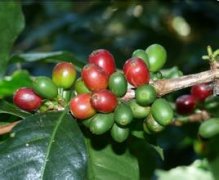
Coffee cultivation requirements for the environment
Coffee cannot be grown in any environment, because it is originally a tropical rainforest plant, and in the development of the system, it develops habits that require calm wind, warm, shade or semi-shade and humid environments. Therefore, coffee has strict requirements for planting conditions. We call the strip of area on both sides of the equator, between 25 degrees north and south latitude, suitable for coffee growth, coffee belt.
2014-09-01 coffee knowledge coffee growing coffee tree coffee tree growing requirements
Changes in coffee knowledge environment affect coffee taste
The change of temperature the higher the external temperature, the finer the coffee beans are ground; otherwise, the coffee beans are ground coarsely. In general, coffee is made in an environment of 18 to 23 degrees. The greater the humidity, the thicker the coffee beans will be ground. Compared with humidity, coffee is mainly affected by ambient temperature. Generally speaking, 70ppm (ratio of mineral content in water) is below
2014-09-13 Coffee knowledge coffee taste coffee encyclopedia
Coffee Flavor description of Ethiopian Coffee Manor Coffee Flavor description of roasting degree Price planting Environment
Ethiopian coffee beans grow in close to the natural environment, after years of planting under the same growth conditions, Ethiopian coffee beans have gradually adapted to the environment here. More than 60% of coffee beans are grown in forests or semi-forests. Large-scale coffee-growing villages account for about 35% of the country's total coffee production. Many of these are used.
2016-10-14 Ethiopia coffee manor flavor description roasting degree price planting