“Eighty” search results (180)

Cat poop coffee beans grinding characteristics Manor name Production area taste Variety introduction
Washington Post food columnist Tim Carman reviewed cat poop coffee sold in the United States and concluded that it tasted just like Folger coffee. It smells like rotting, lifeless. It's like fossilized dinosaur shit in bathwater. I couldn't finish it. Civets like to pick the sweetest, purest, juiciest fruit of the coffee tree for food.
2016-10-20 cat poop coffee bean grind characteristics estate name region taste variety presentation
How to make the Coffee of Musk Coffee the price of the producing area and the taste characteristics of the manor introduction
Kopi Luwak brewing method step 3, grind coffee, medium thickness, one cup is about 20g, 2 cups is 30g, 3 cups are 40g coffee powder. Step 4: pour the coffee powder into the Kopi Luwak when the water is boiling, gently insert the upper pot into the lower pot, press gently, and when the water rises by about 1 / 2, pour in the coffee powder and gently press down the raised coffee powder after the water boils up.
2016-10-17 Musk coffee how origin price taste characteristics manor introduction
How much is Kopi Luwak? a jin of delicious Kopi Luwak looks like shit coffee Indonesia Kopi Luwak
Civet Coffee (Kopi Luwak), native to Indonesia. It is one of the most expensive coffee in the world, with a price of several hundred dollars per pound. It is extracted from the feces of the civet and processed. The civet eats the ripe coffee fruit, which is excreted through the digestive system and fermented through the stomach. The coffee produced has a special taste.
2016-04-30 Cat shit coffee less money one jin delicious like shit Indonesia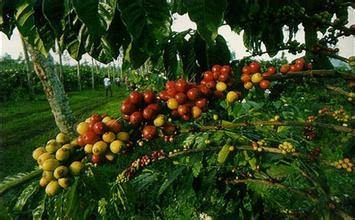
How many kinds of coffee cat shit coffee beans are there in the world?
The most expensive coffee is Kopi Luwak. Kopi Luwak is made in Indonesia. In the early 18th century, the Dutch established coffee plantations in the Indonesian colonies of Sumatra and Java, and banned locals from picking and eating their own coffee fruits. Indonesian locals inadvertently found that civets like to eat these coffee fruits and will leave the beans intact when defecating.
2016-05-23 World how much compare recognize coffee cat shit coffee beans
The flavor and taste of civet coffee the characteristics of manor production area introduction of civet boutique coffee beans
Captive civets are nocturnal animals that inhabit the jungle and eat very little. Coffee beans produced by wild civets are very rare. Only farmed civets can get more Kopi Luwak. Some unscrupulous traders keep this animal in a narrow cage.
2016-07-29 Musk coffee flavor taste manor producing area characteristics introduction boutique coffee beans
The concept and principle of Coffee basic knowledge Coffee Baking
The concept and principle of coffee roasting, as the name implies, roasting is to provide heat to coffee beans, so that a series of chemical changes occur inside. Raw coffee beans show the unique color, aroma and taste of coffee by roasting. Every coffee bean contains fragrance, sour taste, sweet taste and bitter taste. How to release it incisively and vividly depends on the heat of baking. From a tasteless life
2015-06-08 Coffee basics common sense baking thinking principles coffee roasting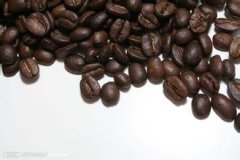
Introduction to the flavor and taste characteristics of high-quality coffee beans in Indonesian civet coffee producing areas
Kopi Luwak is produced by the feces of Indonesian coconut cats (a kind of civet) as raw materials, so it is called Kopi Luwak. This kind of animal mainly feeds on coffee beans. After completing fermentation in the coconut cat's stomach, it destroys proteins, produces short peptides and more free amino acids, reduces the bitterness of coffee, and then excretes feces as the main raw material. Because coffee beans cannot be digested, they will be
2016-09-24 Indonesia musk coffee varieties producing areas boutique coffee beans flavor taste characteristics
Professional coffee roasting knowledge Coffee roasting concepts and principles
Roasting, as the name suggests, provides heat to coffee beans, causing a series of chemical changes to occur within them. Green coffee beans through roasting, showing coffee unique color, flavor and taste. Each coffee bean contains flavor, sourness, sweetness and bitterness. How to release it depends on the roasting temperature. From the tasteless raw beans to the lingering fragrance in the cup
2014-12-26 Professional Coffee Roasting Knowledge Mindfulness Principles As the Name implies Yes
Introduction to the characteristics of Indonesian civet coffee flavor and taste manor area
Civet is a nocturnal animal that lives in the jungle and eats very little. Coffee beans produced by wild civets are very rare. Only in captivity can more Kopi Luwak be obtained. Some unscrupulous traders keep this animal in a narrow cage.
2016-08-30 Taste special mellow Indonesia musk coffee flavor taste manor producing area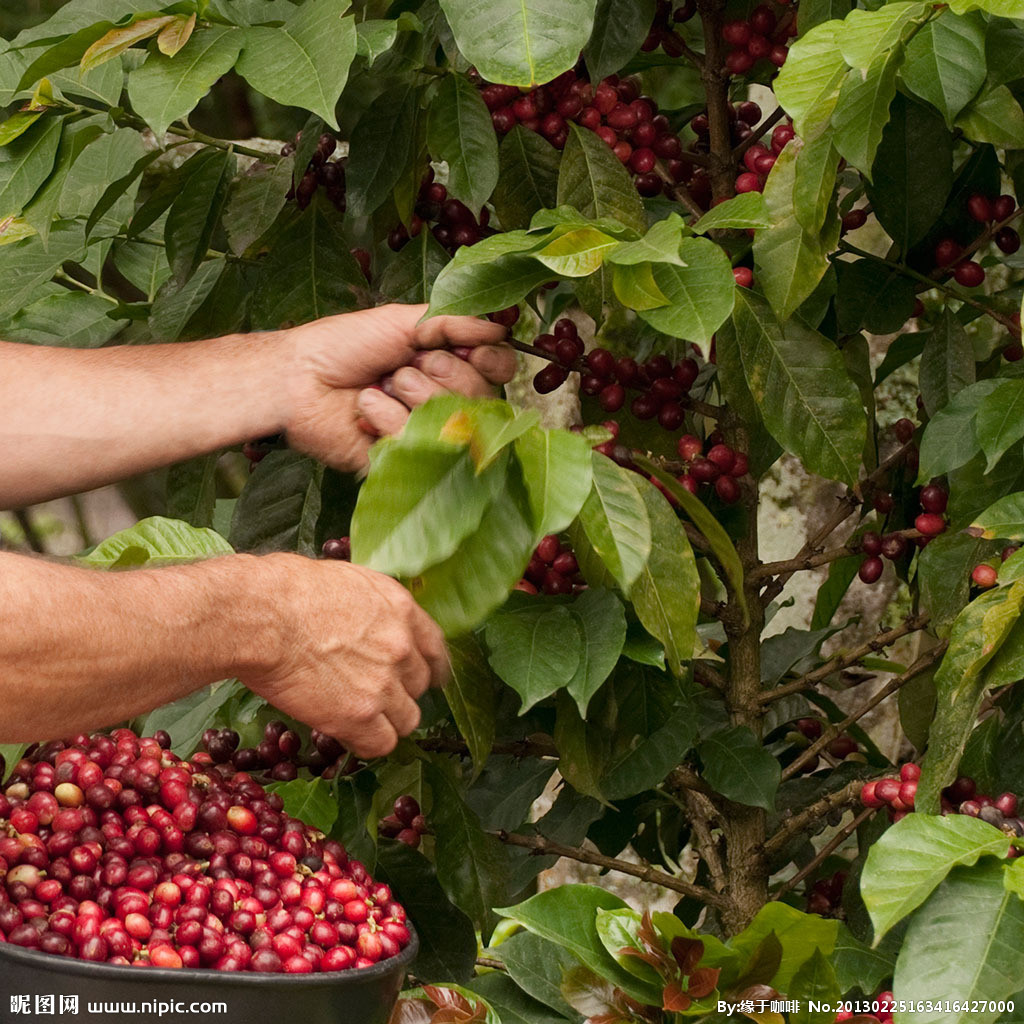
Coffee History Coffee planting Coffee how to change the World like Coffee
How coffee changes the world coffee, in the form of hot drink, dissolves into the soil conditions in which it grows and the degree of baking of the fruit; people drink coffee and enjoy its sweet fragrance in bitterness, the boost of thinking, and the adhesive that promotes communication. Coffee, as the most popular brain-awakening drug in the world, no matter from its meticulous preparation process, or from its unknown history, is in the culture.
2016-03-21 Coffee history planting how change the world such as species coffee
Introduction to the Fine Coffee of Tanzania's Kilimanjaro Coffee
In 1886, Tanganyika Inland was placed under the German sphere of influence. In November 1917, British forces occupied the whole territory of Tanganyika. In 1920, Tanganyika became a British mandate. In 1946, the United Nations General Assembly adopted a resolution to change it into a British trust. On May 1, 1961, Tanzania achieved internal autonomy. On December 9 of the same year, independence was declared, and the Republic of Tanganyika was established a year later. Zanzibar became a British guarantor in 1890
2016-08-30 Charm endless Tanzania Kili Mazar Luo coffee coffee flavor taste
Listen to coffee hometown people preach coffee culture
Sitting in a corner of the U-shaped classroom at the International officials School of the Ministry of Commerce, he listened attentively to the training teacher and actively asked his own questions. During the 15-minute break, he kept filling in the questionnaire sent by the teacher, and from time to time found the teacher's assistant to ask questions of one kind or another. I didn't notice sitting in the seat next to him.
2014-09-28 Coffee knowledge coffee culture coffee hometown
An introduction to the characteristics of the manor producing area of Indonesian civet boutique coffee with sweet taste
Kopi Luwak is made in Indonesia. In the early 18th century, the Dutch established coffee plantations in the Indonesian colonies of Sumatra and Java, and banned locals from picking and eating their own coffee fruits. Indonesian locals inadvertently found that civets love to eat these coffee fruits and will drain the beans intact when defecating. The civet can only pick the most familiar.
2016-08-29 Full fragrant Indonesian musk boutique coffee flavor taste manor producing area
Tanzania coffee beans with delicate fragrance introduce boutique coffee
Tanzanian coffee has also developed in the hands of German and British colonists and has long been loved by Europeans and squeezed into the ranks of famous products. The most favorable factors that make Tanzanian coffee famous are Hemingway and his novels. Ever since Hemingway embarked on his career as a writer in France, he has been connected with Tanzania and Mount Kilimanjaro
2016-06-23 Send delicate fragrant Tanzania coffee beans introduction boutique coffee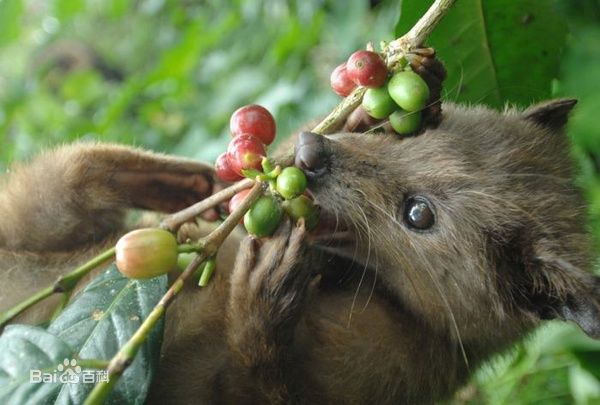
The price of civet coffee Cat poop coffee The origin of cat poop coffee The origin of cat poop coffee
Civet Coffee Civet Coffee (cat poop coffee), Indonesia. It is one of the most expensive coffees in the world, with a price of several hundred dollars per pound. It is extracted from the feces of the civet cat and processed. The civet eats the ripe coffee fruit and passes it through the digestive system. Due to the fermentation of the stomach, the coffee produced has a special taste and becomes an international coffee.
2016-03-16 musk coffee cat feces price origin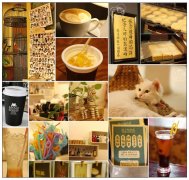
Roaming Gulangyu specialty dessert shops and cafes
On Gulangyu, there are many coffee shops and dessert shops with different styles. Some are nostalgic, and there are many old objects that are very old. Some are fashionable, they are simple and warm, and some are very exotic.
2014-07-18 Xiamen specialty cafe roaming Gulangyu specialty cafe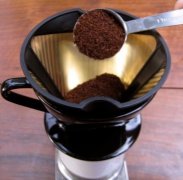
The ratio of coffee to water
(figure Source: google) Standard brewing ratio (Standard Brewing Ratio) number of coffee cups the amount of coffee used by COFFEE TO BE USED WATER TO BE USED Cups of Coffee by weight BY WEIGHT BY MEASURE ounces Ounces grams Grams teaspoons Tea tablespoons Table cups Cups coffee liquid (ounces) Cups
2014-09-30 Make coffee coffee proportion
Full and juicy civet boutique coffee bean flavor taste introduce the origin price of Kopi Luwak
Civet is a nocturnal animal that lives in the jungle and eats very little. Coffee beans produced by wild civets are very rare. Only in captivity can more Kopi Luwak be obtained. Some unscrupulous traders keep this animal in a narrow cage.
2016-08-01 Full juicy musk boutique coffee beans flavor taste introduction cat shit coffee
Bits and pieces of African coffee beans in China
Coffee originated in Africa and little is known about it. In fact, Africa Ethiopia is the hometown of coffee, producing the best Arabian coffee in the world. Soil, climatic conditions and an altitude of more than 2000 meters above sea level have enabled many African countries to create an ideal environment for the growth of coffee. At present, coffee production in Africa accounts for about 13% of the world's total output, and coffee income is in some African countries.
2015-09-09 Africa coffee beans China bit by bit
Listen to coffee hometown people preach the basic knowledge of coffee culture
Sitting in a corner of the U-shaped classroom at the International officials School of the Ministry of Commerce, he listened attentively to the training teacher and actively asked his own questions. During the 15-minute break, he kept filling in the questionnaire sent by the teacher, and from time to time found the teacher's assistant to ask questions of one kind or another. I didn't notice sitting in the seat next to him.
2015-10-12 Coffee hometown people sermons coffee culture basics common sense Ministry of Commerce international officials