“Drying” search results (5663)

Coffee knowledge the birth of raw coffee beans
The harvested coffee fruit is transported to the processing plant. The factory processes peeling, fermentation, drying, sorting and other processes for processing coffee beans. Remove the pulp, pick out the bad beans, soak and ferment in water, and re-dry in the sun. After this series of complex processes, you can get fresh raw beans. This process has a great impact on the quality of coffee beans.
2014-09-10 Coffee knowledge coffee raw beans coffee beans born
Four steps of coffee bean processing
1. Peeling removes the peel and most of the flesh by mechanical or manual means. two。 Fermentation removes the mucus and film from the core by fermentation. as the length of fermentation time will affect the flavor of coffee, each manufacturer has its own fermentation time. 3. The drying method is mainly divided into natural sun drying and natural air drying. Excessive water content can easily lead to mildew and insect growth of raw coffee beans.
2014-05-16 Coffee knowledge coffee bean processing
Coffee training knowledge Coffee Bean processing
1. Peeling removes the peel and most of the flesh by mechanical or manual means. two。 Fermentation removes the mucus and film from the core by fermentation. as the length of fermentation time will affect the flavor of coffee, each manufacturer has its own fermentation time. 3. The drying method is mainly divided into natural sun drying and natural air drying. Excessive water content can easily lead to mildew and insect growth of raw coffee beans.
2014-10-08 Coffee knowledge coffee training coffee beans coffee bean processing
Indonesian Coffee House Arabica Coffee House
Coffee processing Java coffee is traditionally washed. Sumatra and Sulawesi are known for their Indonesian wet-hulled method, known locally as Giling Basah. The drying methods in coffee processing vary according to the situation: high-priced bed drying under canopy, terrace drying, roadside drying and other methods are used. Coffee flavor varies from region to region.
2016-06-17 Indonesia Coffee Manor Rabbi Processing Java Isles Traditional Upper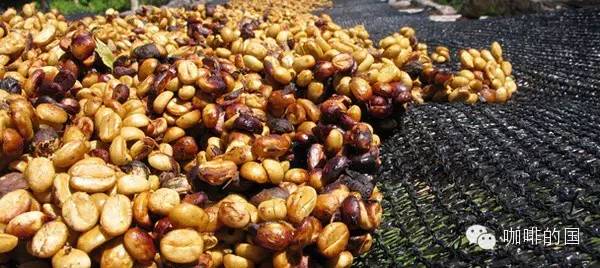
About the treatment of coffee beans after picking, I want to know the difference between washing and sun-drying and honey treatment in Ethiopia.
Tanning is a traditional method for the initial processing of coffee beans, and at present, almost all coffee-growing countries such as Ethiopia and Yemen still use solarization to treat raw beans. Sun treatment will first identify sunken beans in the sink, that is, ripe or half-ripe beans are spread in the drying farm for natural drying. The specific time depends on the local climatic conditions, which usually takes two to four weeks.
2016-04-25 About coffee beans picking after ideal understanding washing tanning treatment difference
Introduction to Indonesian Coffee Brand Kahayanggan
Coffee treatment Coffee produced in Java is traditionally washed. Sumatra and Sulawesi are famous for their Indonesian wet planing wet-hulled, which is locally known as Giling Basah. The drying methods in coffee processing vary according to the situation: high-priced bed drying in the awning, balcony drying, roadside drying and other methods are all used. Although the flavor of coffee varies from region to region.
2016-07-25 Indonesia coffee manor producing area flavor taste introduction brand Kaha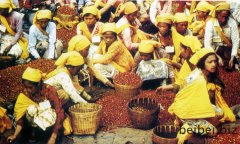
Wet and drying methods for post-harvest processing of coffee beans
After the harvest coffee bean processing: coffee berries must be processed immediately after picking to prevent pulp fermentation and decay. Coffee beans can be processed in two ways, wet and dry. The drying method is also called the natural method. Spread the coffee berries flat in the sun to dry. In the plantation, 50 square meters of coffee berries are laid on each hectare, or
2015-09-14 Coffee beans harvested processed wet dried After th
The refining method of coffee beans
Generally speaking, there are three kinds of treatment from coffee fruit to raw coffee bean: drying treatment, washing treatment, semi-dry and semi-wet treatment. What is the difference between the three steps? Which is better or worse? (drying in the sun field) drying treatment is the most primitive and simple treatment. 1. After the coffee fruit is actually harvested, it is sent to the sun field to spread evenly, and it is often turned so that the coffee fruit can be evenly distributed.
2014-09-02 Coffee beans boutique coffee beans coffee encyclopedia
How to deal with coffee beans? what kind of coffee do you have? the higher the altitude, the better.
Honey treatment is used in almost all the producing areas of Costa Rica. This method is also widely spread throughout Central America. Because the surface mucosa of coffee beans is extremely sticky and smooth and the sugar content is extremely high, it is often called honey. In the process of honey treatment, coffee will leave some or all of the honey when it is dried. After the coffee fruit is picked, graded and peeled, it is dried.
2016-06-12 Coffee beans processing methods which coffee why altitude the higher the more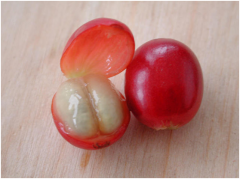
Processing methods of high-quality coffee beans
There are a pair of oval seeds in the center of the fruit of the coffee tree, which are covered with exocarp, endocarp and pulp. Ripe fruit will rot in a short period of time without treatment, so the purpose of refining is to enable coffee beans to be preserved for a long time, easy to store and circulate. Figure (1) Coffee fruit Coffee fresh fruit should be dealt with immediately after being harvested. Refining is to remove the peel and pulp of coffee fruit
2015-10-24 Boutique coffee beans treatment methods
Processing of fresh coffee beans
Wet treatment requires the use of specific equipment and a large amount of water. When properly operated, it can ensure that the original quality of coffee beans is better preserved, producing homogeneous coffee beans with few bad beans. As a result, coffee beans produced in this way are generally considered to be of better quality and charge higher prices. Even after careful harvest, a certain amount of underdried and undercooked coffee
2014-09-29 Processing of fresh coffee beans
Introduction to the treatment of coffee beans there are several ways to treat coffee beans. What should be used for different coffee?
Honey treatment is used in almost all the producing areas of Costa Rica. This method is also widely spread throughout Central America. Because the surface mucosa of coffee beans is extremely sticky and smooth and the sugar content is extremely high, it is often called honey. In the process of honey treatment, coffee will leave some or all of the honey when it is dried. After the coffee fruit is picked, graded and peeled, it is dried.
2016-07-20 Coffee beans treatment methods introduction several different coffee should adopt which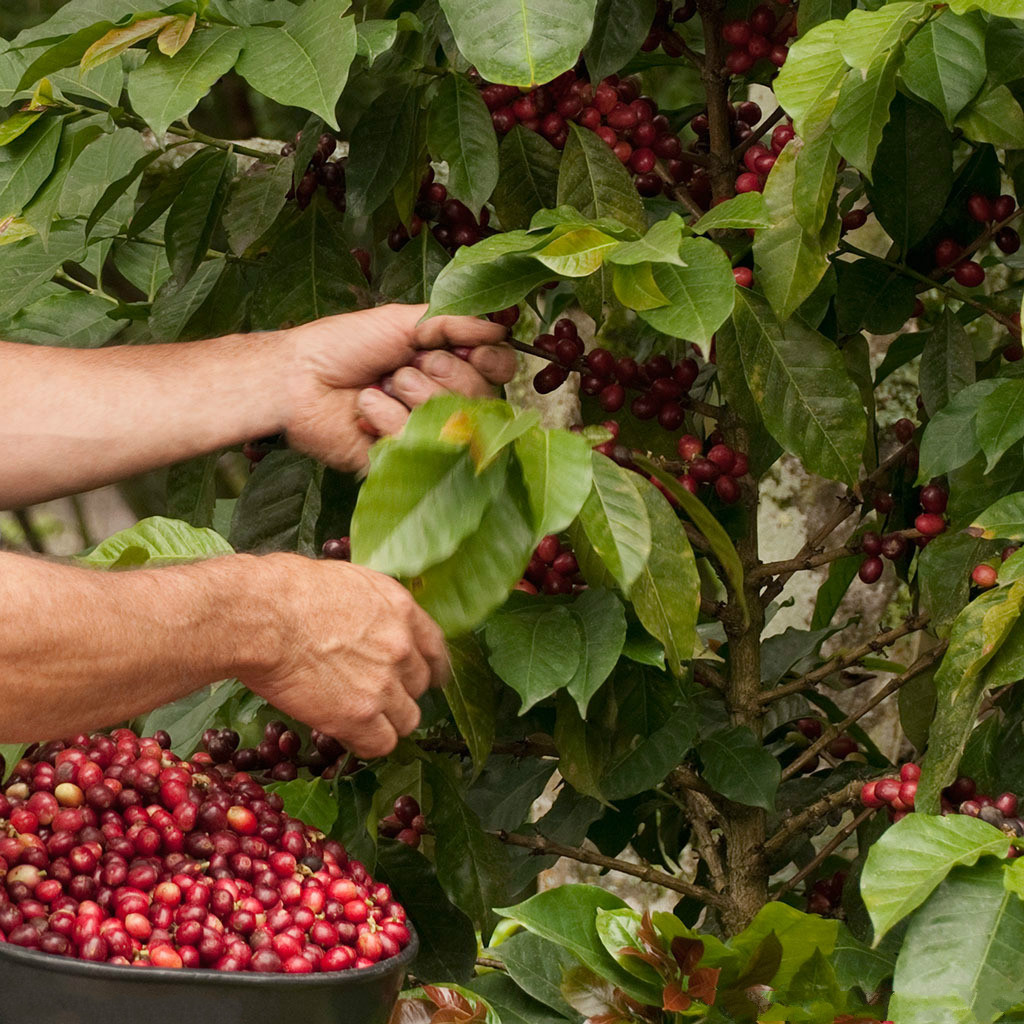
Coffee producing country-Indonesian coffee Indonesian coffee flavor
Brief introduction of coffee producing countries: Indonesian coffee is grown in the Dutch colonial era, coffee cultivation is mainly in large estates, after World War II, experienced the process of nationalization and independence movement, now about 90% of the coffee produced in Indonesia is produced by small farmers. Originally, Indonesian coffee was Arabica, and the leaf rust disaster at the end of the 18th century destroyed Arabica manor.
2016-03-21 Coffee producing country Indonesia Flavor profile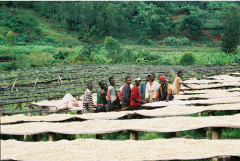
Its Dunlulu Cooperative Water washing elevated bed drying AA Grade AAA Kenya Coffee beans are the highest
The Dunlulu Cooperative, founded in 1999 in Embu, Kenya, has 1200 active growers and the cleanest water treatment centers. It is well known that cooperatives pay producers far higher than government requirements. In Kenya, cooperatives have to pay 80 per cent of the final income to coffee farmers, and Kithungururu ends up paying 95 per cent more to coffee farmers than other cooperatives.
2016-06-19 Keaton Lulu Cooperative washing Viaduct Sun drying AAA Kenya Coffee beans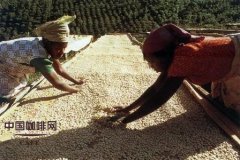
The treatment of coffee beans by sun-drying
After the wet treatment, the coffee beans are still preserved in the inner pericarp, which still contains about 15% water. The endocarp must be dried to a moisture content of about 11% to ensure that coffee beans are stored in a stable and safe environment. Water content is critical, because if Arabica beans are overdried to a moisture content of 10%, they will be lost
2015-11-05 Coffee beans sun-dried treated dried processed and then coffee
The common sense of coffee beans the processing process of coffee beans
1. Peeling removes the peel and most of the flesh by mechanical or manual means. two。 Fermentation removes the mucus and film from the core by fermentation. as the length of fermentation time will affect the flavor of coffee, each manufacturer has its own fermentation time. 3. The drying method is mainly divided into natural sun drying and natural air drying. Excessive water content can easily lead to mildew and insect growth of raw coffee beans.
2014-11-22 Coffee knowledge coffee bean common sense coffee bean processing
Processing method of high-quality coffee beans coffee refining method
There are a pair of oval seeds in the center of the fruit of the coffee tree, which are covered with exocarp, endocarp and pulp. Ripe fruit will rot in a short period of time without treatment, so the purpose of refining is to enable coffee beans to be preserved for a long time, easy to store and circulate. Figure (1) Coffee fruit Coffee fresh fruit should be dealt with immediately after being harvested. Refining is to remove the peel and pulp of coffee fruit
2015-04-11 Boutique coffee beans treatment method coffee making method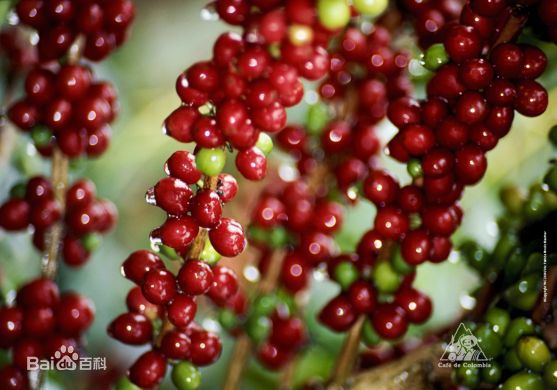
Strong sweetness of fruit taste treated with ruby "red treatment" 90 + patented drying technology
Red: the so-called red treatment is a special treatment carried out by the 90 + team through their own patented drying technology, which makes the color of shelled coffee beans show varying degrees of red. This treatment will once again enhance the aromatic characteristics of the coffee itself, and the taste will reflect a strong sweetness with obvious fruit flavor. Ruby: the so-called Hongbao
2016-07-14 Ruby processing fruit taste strong sweet red treatment ninety patent baking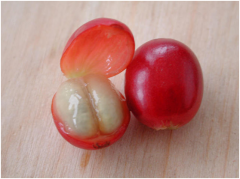
Processing method of high-quality coffee beans coffee refining method
There are a pair of oval seeds in the center of the fruit of the coffee tree, which are covered with exocarp, endocarp and pulp. Ripe fruit will rot in a short period of time without treatment, so the purpose of refining is to enable coffee beans to be preserved for a long time, easy to store and circulate. Figure (1) Coffee fruit Coffee fresh fruit should be dealt with immediately after being harvested. Refining is to remove the peel and pulp of coffee fruit
2015-01-23 Boutique coffee beans treatment method coffee fruit center pair
Common sense of coffee beans processing methods of high-quality coffee beans
1. Peeling removes the peel and most of the flesh by mechanical or manual means. two。 Fermentation removes the mucus and film from the core by fermentation. as the length of fermentation time will affect the flavor of coffee, each manufacturer has its own fermentation time. 3. The drying method is mainly divided into natural sun drying and natural air drying. Excessive water content can easily lead to mildew and insect growth of raw coffee beans.
2014-12-30 Coffee beans common sense boutique processing methods processes peeling utilization machinery manpower