“Drought” search results (873)
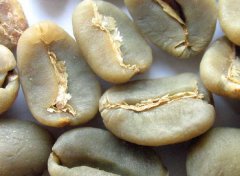
The knowledge about round beans, it is also called male beans, coffee beans, coffee bean shape.
Round bean / common bean, known as Peaberry or caracoli in English, is a variety of coffee beans. In fact, the male bean is a flaw, officially speaking, it is not a normal development of coffee beans. The causes are usually caused by insect damage, lack of rain in case of prolonged drought, or malnutrition of coffee trees. In general, the fruit of a coffee tree contains two coffee beans, each in a flat hemispherical shape.
2016-06-13 Related round beans knowledge also known as public beans coffee beans shape English
Cultivation techniques and Biological habits of Coffee Tree
2. Biological habits (1) Botanical characteristics (2) growth and flowering habits (3) requirements for environmental conditions (1) Botanical characteristics 1. Root coffee root is a conic root system, its morphology, distribution and depth vary with agro-technical measures, soil conditions and varieties. In the case of a political party, there is a thick and short main root and many developed lateral roots. According to the observation in Hainan Island
2015-10-07 Coffee cultivation techniques biology learning
Basic knowledge of coffee botany
According to the botanical description of coffee: coffee is Rubiaceae, coffee genus, perennial evergreen shrubs or small trees. There are more than 60 types of coffee classified, but there are roughly two varieties of coffee grown commercially on a large scale, one is Arabica, accounting for about 70 percent of the world's coffee planting area, and the other is Robasta, accounting for about 30 percent of the world's coffee planting area. According to our country
2015-04-23 Coffee botany knowledge basics common sense
Coffee species introduction Coffee Tree introduction Coffee planting method
Arabica was the only kind of coffee beans, then in the 19th century, there was a large area of diseases and insect pests, coffee growers began to look for other varieties of coffee resistant to diseases and insect pests, so Rob's special was discovered and began to be planted artificially. Robert's special growth in low-altitude areas, characterized by resistance to diseases and insect pests, cold, drought resistance, a word description, thick, but the taste is relatively comparative
2016-05-25 Coffee type introduction planting method originally coffee beans only rabbi one kind
Classification of Coffee beans Coffee Origin Coffee Coffee practice
Arabica was the only kind of coffee beans, then in the 19th century, there was a large area of diseases and insect pests, coffee growers began to look for other varieties of coffee resistant to diseases and insect pests, so Rob's special was discovered and began to be planted artificially. Robert's special growth in low-altitude areas, characterized by resistance to diseases and insect pests, cold, drought resistance, a word description, thick, but the taste is relatively comparative
2016-05-27 Coffee beans classification coffee introduction origin practice originally coffee beans only pull
Boutique Coffee knowledge about Coffee Botany
According to the botanical description of coffee: coffee is Rubiaceae, coffee genus, perennial evergreen shrubs or small trees. There are more than 60 types of coffee classified, but there are roughly two varieties of coffee grown commercially on a large scale, one is Arabica, accounting for about 70 percent of the world's coffee planting area, and the other is Robasta, accounting for about 30 percent of the world's coffee planting area. According to our country
2014-10-13 Coffee knowledge boutique caffeine coffee botany
Knowledge of coffee botany basic knowledge of fine coffee
According to the botanical description of coffee: coffee is Rubiaceae, coffee genus, perennial evergreen shrubs or small trees. There are more than 60 types of coffee classified, but there are roughly two varieties of coffee grown commercially on a large scale, one is Arabica, accounting for about 70 percent of the world's coffee planting area, and the other is Robasta, accounting for about 30 percent of the world's coffee planting area. According to our country
2015-01-29 Coffee Botany knowledge Fine goods basic knowledge description Grass
Coffee botany is mainly divided into the following five varieties
There are more than 60 types of coffee classified, but there are roughly two varieties of coffee grown commercially on a large scale, one is Arabica, accounting for about 70 percent of the world's coffee planting area, and the other is Robasta, accounting for about 30 percent of the world's coffee planting area. According to our national standards, the classification of coffee is mainly divided into the following five varieties. 1. Small seed coffee, that is, Arabian species. Original production
2015-07-28 Coffee botany mainly divided into the following a variety
Introduction to the species and growing environment of coffee trees
Coffee trees can only grow in the tropics and subtropics. Coffee trees can grow in different climates, soils, elevations and rainfall in the middle of the coffee belt. Coffee trees thrive in the hot and humid canyons and forest rainforests of Africa; it still produces high-quality coffee beans in cold, foggy, windy Central America; and in the changeable climate, drought and torrential rain
2016-06-07 Coffee class and growth environment introduction coffee only grow in tropical subtropical
Which brand is better to buy coffee beans? what coffee beans are more famous?
Arabica was the only kind of coffee beans, then in the 19th century, there was a large area of diseases and insect pests, coffee growers began to look for other varieties of coffee resistant to diseases and insect pests, so Rob's special was discovered and began to be planted artificially. Robert's special growth in low-altitude areas, characterized by resistance to diseases and insect pests, cold, drought resistance, a word description, thick, but the taste is relatively comparative
2016-05-23 Buy coffee beans which brand better what compare famous originally coffee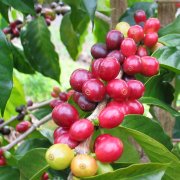
Guava Plain Manor in Guatemala New Oriental region Liquor-scented Coffee treated by the Sun
The SL28 variety is extremely rare in Central America. It originated from Lake Tanganyika in East Africa. It was discovered in 1931. It has broad and reddish leaves, can adapt to high altitude environment, and has excellent drought and disease resistance. It also has higher yield than traditional tree species and is unique in flavor. 1935 Scott Coffee Lab Scottish Labo
2016-06-22 Guatemala New Oriental producing areas guava plains manors wine sun treatment
Coffee production in Yunnan plummeted by 40% in 2013-2014
In late March, the coffee bean harvest season of 2013-2014 is coming to an end. Under the impact of natural disasters and sudden changes in prices, the confidence of Yunnan farmers has been undermined. Some farmers have given up picking and their output has plummeted by 40%.
2014-06-03 Coffee news coffee production Yunnan coffee production
The purchase price of coffee raw materials in Yunnan increased by 86% in 2014.
As Brazil, the world's largest coffee producer, has experienced its worst drought in decades and record high temperatures, global coffee bean prices have soared and the industry is expected to spread to the domestic downstream market within two or three months.
2014-06-05 Coffee news Yunnan coffee coffee purchase price coffee price
Classification of coffee by the National Standard for Coffee Botany
There are more than 60 types of coffee, but there are roughly two types of coffee grown on a commercial scale, one is Arabica, accounting for about 70% of the world's coffee planting area; one is Robasta, accounting for about 30% of the world's coffee planting area. According to the classification of coffee by China's national standards, it is mainly divided into the following five varieties. 1. Arabica coffee, i.e. Arabian species. origin
2015-01-17 coffee botany national standard classification class has variety commercial
The origin of coffee introduces how to press out the oil in coffee.
Arabica was the only kind of coffee beans, then in the 19th century, there was a large area of diseases and insect pests, coffee growers began to look for other varieties of coffee resistant to diseases and insect pests, so Rob's special was discovered and began to be planted artificially. Robert's special growth in low-altitude areas, characterized by resistance to diseases and insect pests, cold, drought resistance, a word description, thick, but the taste is relatively comparative
2016-06-07 Coffee species origin introduction originally coffee beans only rabbi one kind later
Basic knowledge of fine coffee basic knowledge of coffee botany
According to the botanical description of coffee: coffee is Rubiaceae, coffee genus, perennial evergreen shrubs or small trees. There are more than 60 types of coffee classified, but there are roughly two varieties of coffee grown commercially on a large scale, one is Arabica, accounting for about 70 percent of the world's coffee planting area, and the other is Robasta, accounting for about 30 percent of the world's coffee planting area. According to our country
2015-03-12 Boutique coffee basics common sense botany knowledge
Boutique Coffee Science talk about Coffee Fruit
The fruit is a berry, also known as comb fruit. Oval, 9-14 mm long, young fruit green, red at maturity, purplish red. Each fruit generally has two seeds, but also one or three, showing a semi-oval, there is a longitudinal groove, called grooves. The structure of a fruit in which the exocarp consists of a thin layer of hardwood human cells with stomata; the mesocarp (that is, pulp) is large and Lignified by several layers of polygons.
2014-10-15 Coffee knowledge coffee fruit boutique coffee science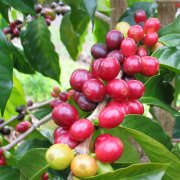
Boutique coffee SL28 variety is extremely rare in Central America, this tree species originated from Tanzania in East Africa
SL28 is extremely rare in Central America. This tree species originated from Lake Tanganyika in East Africa. It was discovered in 1931. Its leaves are broad and reddish. It can adapt to quite high altitude environment. It has excellent drought resistance and disease resistance. It also has higher yield than traditional trees. The performance of flavor is also unique. 1935 Scottish Labo
2016-05-14 Fine Coffee SL28 Cultivated Central America Extreme Rare Tree Species Originated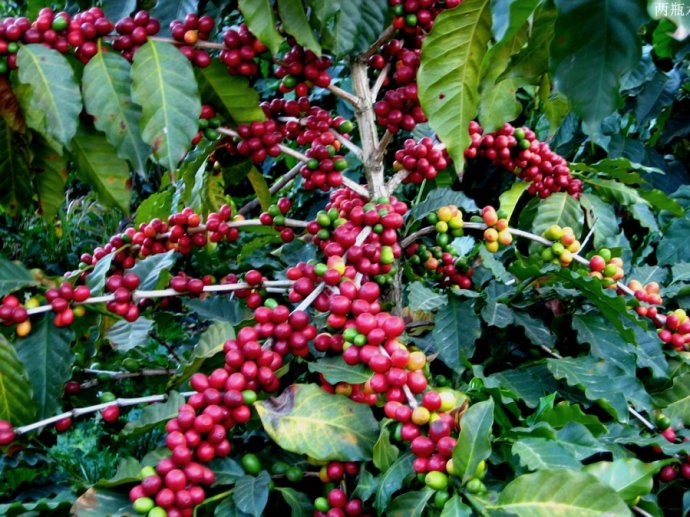
Introduction of World Fine Coffee: analysis and introduction of production problems of Yunnan Coffee and Fine Coffee
During this short two-week trip to Yunnan, although I only visited the coffee planting and processing base of Pu'er Menglian and some areas of Baoshan, I also found many problems in production and processing. Although it is inevitable to cover all of them, I still sum up these problems. I hope that more coffee lovers will pay attention to Yunnan coffee. After all, the development of Yunnan coffee not only depends on
2015-12-17 World boutique coffee introduction Yunnan production problems analysis
Can't afford to drink coffee with reduced production of Brazilian coffee beans?
Yesterday, a piece of news on Weibo that the price of coffee beans is going to rise and coffee will be unaffordable has aroused a lot of netizens' discussion. However, coffee lovers in Wuhan do not have to worry that the reporter called Nestle and other companies yesterday and got the answer that they had not received the notice of price increase yet. The Weibo said: Brazil supplies 40% of the world's coffee beans, this year's severe drought, production is expected to fall 18%, coffee beans
2014-12-01 Brazil coffee beans production reduction coffee drink no get up yesterday Weibo one about