“Dominica” search results (668)

Dominica Santo Domingo Coffee Flavor description Manor
The name Dominica, which originally means Sunday, was taken by Columbus when he first came to America to discover it, because it happened to be a Sunday. Today, this seemingly random name is quite far-sighted, because a good cup of coffee can bring people a relaxed and pleasant mood. The most distinctive feature of the introduction of Dominican coffee is freshness and elegance.
2016-10-11 Dominica Santo Mingo Coffee Grinding Taste Variety producing area Flavor description
Light aroma of Dominica Santo Domingo Coffee flavor description characteristics of the taste of the producing area
Coffee in Dominica is selected by the most expensive manual method, and workers choose the main consideration, one is the fullness of coffee particles, the other is whether it is uniform, and it is graded according to these conditions. the coffee beans with the fullest and most uniform grains can represent the best and best coffee in Dominica. And only use water washing treatment to ensure the high quality of coffee beans.
2016-10-09 Light fragrance Dominica Santo Mingo coffee flavor description characteristics
Dominica Coffee Flavor and taste introduction to boutique coffee beans in manor area
Located in the Jarabacoa region near Siwao, it has the largest farm in Dominica, Ramirez Manor (RamirezEstates), which mainly grows Kaddura varieties, and most of the coffee produced is sold to Europe, the United States and other western countries and regions. Ramirez Manor itself produces coffee in an environmentally friendly way. Coffee from Dominica is made with A.
2016-08-11 Dominica coffee flavor taste manor producing area characteristics boutique coffee beans
Rich taste, lingering aftertaste, smooth and smooth coffee from Santo Domingo coffee producing region of Dominica
Turning to the introduction of Dominican coffee, the most distinctive features are fresh and elegant, full of particles, excellent acidity and pleasant flavor (two colleagues agree with this). Such flavor characteristics are not only related to the variety and the quality of the soil, but also closely related to the picking and handling of raw beans. Dominica's coffee is selected by the most expensive manual method, workers.
2016-06-29 Taste rich aftertaste winding smooth Dominica coffee producing area Saint
Introduction to the taste characteristics of Dominica coffee beans with full grains and excellent acidity
Dominica Dominica: Santo Domingo coffee taste characteristics: fresh and elegant, full particles, excellent acidity, pleasant flavor. The Dominican Republic is located in the east of the island of Haiti in the West Indies, bordering the Republic of Haiti to the west, the Atlantic Ocean to the north and the Caribbean Sea to the south. With an area of about 49000 square kilometers and a population of 7.1 million, the Dominican Republic and the Republic of Haiti coexist in
2016-06-20 Granules fullness acidity excellent Dominica coffee beans taste characteristics introduction
Dominica Coffee Flavor description Grinding degree Taste characteristics of High-quality Coffee beans
Coffee in Dominica has two main characteristics, which vary according to the region and variety of coffee produced. Tibica coffee, produced in the main producing area of Baraona, has the soft taste and light aroma peculiar to the Caribbean, while the highland coffee in Siwao in the central mountain area has a strong taste. The growing variety of Kind Kaddura species in two producing areas was seriously affected by the 1998 hurricane.
2016-10-12 Dominica coffee flavor description grinding variety taste characteristics boutique
Introduction to the Flavor description of Dominica Coffee varieties with excellent acidity
In the early 17th century, when French, Dutch, and British pirates were operating in the western part of Hispaniola, France began to allow farmers and merchants to gradually colonize the western part of the Spanish island, blocked by the island's mountains. Without attracting the attention of the Spaniards in the east, L'Or é al arrived in Santo Domingo in 1801. He abolished slavery on behalf of the French government. In 1802, Napoleon sent
2016-09-23 Acidity excellent Dominica coffee variety producing area flavor description characteristics essence
Introduction of boutique coffee beans in Dominica Santo Domingo coffee producing area
The earliest coffee in Dominica was introduced from Martinique (the overseas province of France), dating back to the early 18th century. Dominica is an island country with a tropical climate. The temperature changes little throughout the year. Except for the lower temperature in the Central Cordillera Mountains, which can reach less than 0 ℃ in winter, the annual average temperature in other areas is between 25 and 30 ℃, which is affected by the mountain topography.
2016-09-22 Dominica Santo Mingo coffee flavor variety producing area characteristics boutique
Introduction of Dominica coffee beans with moderately bright sour taste
Coffee in Dominica is grown in highlands and lowlands, and its taste is slightly different. The upland is sour, but the taste is rich; the lowland is less sour and tastes smoother. Boutique coffee has become popular in recent years. High-quality coffee beans produced by some Dominican estates have a rich aroma, mellow taste and moderately bright sour taste, and have been bought with the more famous Puerto Rico beans or teeth.
2016-06-28 With moderate bright sour Dominica coffee beans introduction coffee
Introduction to Dominica Santo Domingo Coffee Flavor Manor with soft floral aroma
The increasing number of Kind Kaddura species was hit hard by the hurricane in 1998, resulting in countless losses, so it was common for the local area to switch to Kaddura species with lower tree height and higher harvest. Although Baraona still has Tibica coffee, its harvest has been greatly reduced because of the annual hurricane damage. The climatic conditions of planting Cultivation are the same as those of the highlands in Dominica.
2016-08-20 Flowers soft aroma Dominica Santo Mingo Coffee Flavor Taste Zhuang
Introduction to the smooth and smooth Dominica Santo Domingo coffee with its flavor and taste
The earliest coffee in Dominica was introduced from Martinique (the overseas province of France), dating back to the early 18th century. Dominica is an island country with a tropical climate. The temperature changes little throughout the year. Except for the lower temperature in the Central Cordillera Mountains, which can reach less than 0 ℃ in winter, the annual average temperature in other areas is between 25 and 30 ℃, which is affected by the mountain topography.
2016-08-23 Smooth smooth Dominica Santo Mingo coffee flavor taste characteristics essence
Dominica coffee with fresh and elegant, full grains, excellent acidity and pleasant fragrance
Turning to the introduction of Dominican coffee, the most distinctive features are fresh and elegant, full of particles, excellent acidity and pleasant flavor (two colleagues agree with this). Such flavor characteristics are not only related to the variety and the quality of the soil, but also closely related to the picking and handling of raw beans. Dominica's coffee is selected by the most expensive manual method, workers.
2016-06-20 Fresh elegant granular full acidity excellent fragrance human Dominica coffee![[coffee beans] Caribbean Dominica Santo Domingo coffee beans](https://www.coffeesearch.net/uploads/allimg/140722/10135345I-0-lp.jpg)
[coffee beans] Caribbean Dominica Santo Domingo coffee beans
Dominica Dominica: Santo Domingo coffee taste characteristics: fresh and elegant, full particles, excellent acidity, pleasant flavor. The Dominican Republic is located in the east of the island of Haiti in the West Indies, bordering the Republic of Haiti to the west, the Atlantic Ocean to the north and the Caribbean Sea to the south. With an area of about 49000 square kilometers and a population of 7.1 million, the Dominican Republic and the Republic of Haiti coexist in
2014-07-22 Coffee beans boutique coffee beans Dominica Santo Domin coffee beans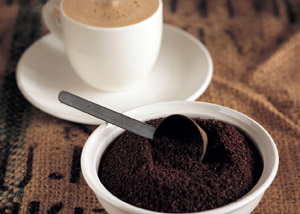
Pure and soft Dominica coffee Santo Domingo coffee
The Dominican Republic also had a history of revolution and poverty, but now it has implemented democratic elections and the country is relatively stable. In the early 18th century, coffee was introduced to Domiga from Martinique, and fine coffee was produced in the north represented by Hibao and in the south, including Okayabani Santo Domingo. Among them, coffee from Santo Domingo and Barney
2016-07-02 Aroma pure soft Dominica coffee Santo Mingo Republic
Dominican coffee with a lingering aftertaste and smooth taste introduces fine coffee.
The earliest coffee in Dominica was introduced from Martinique (the overseas province of France), dating back to the early 18th century. Dominica is an island country with a tropical climate. The temperature changes little throughout the year. Except for the lower temperature in the Central Cordillera Mountains, which can reach less than 0 ℃ in winter, the annual average temperature in other areas is between 25 and 30 ℃, which is affected by the mountain topography.
2016-06-22 Aftertaste winding smooth Dominica coffee introduction boutique
Fruity, lingering aftertaste, smooth Dominica-Santo Domingo coffee
Coffee in Dominica varies slightly in taste according to the altitude of the region where it is grown, with sour but rich taste in the highlands, and less sour and smoother taste in the lowlands. On the other hand, the high-quality coffee beans produced by some Dominican estates have a rich aroma, mellow taste, moderately bright sour taste, and are often used with famous Puerto Rican or Jamaican coffee.
2016-06-18 Fruity aftertaste winding smooth Dominica Santo Mingo coffee more
Introduction to Santo Domingo Coffee from Dominica Coffee Manor
Coffee in Dominica is grown in highlands and lowlands, and its taste is slightly different. The upland is sour, but the taste is rich; the lowland is less sour and tastes smoother. Boutique coffee has become popular in recent years. High-quality coffee beans produced by some Dominican estates have a rich aroma, mellow taste and moderately bright sour taste, and have been bought with the more famous Puerto Rico beans or teeth.
2016-08-06 Aroma Pure Dominica Coffee Manor producing area Flavor palate characteristics introduction
Introduction to the characteristics of the fresh and elegant Dominican boutique coffee bean flavor and taste manor
The earliest coffee in Dominica was introduced from Martinique (the overseas province of France), dating back to the early 18th century. Dominica is an island country with a tropical climate. The temperature changes little throughout the year. Except for the lower temperature in the Central Cordillera Mountains, which can reach less than 0 ℃ in winter, the annual average temperature in other areas is between 25 and 30 ℃, which is affected by the mountain topography.
2016-08-17 Fresh elegant Dominica boutique coffee beans flavor taste manor producing area
Dominica Coffee Grinding method Taste Variety characteristics of manors in producing areas
The Dominican Republic has also experienced a history of unrest and poverty, and now the country has implemented democratic elections and entered a period of stable development, but it has not yet formally established diplomatic relations with China, but has maintained so-called diplomatic relations with Taiwan. It seems that this has nothing to do with coffee, but in fact, it still has an impact. The exchanges between the two countries that have not established diplomatic relations are subject to many restrictions in all aspects, and of course they will.
2016-10-13 Dominica Coffee Grinding processing palate Variety characteristics producing area Manor introduction
Introduction to Dominica Santo Domingo Coffee Manor with excellent acidity and pleasant fragrance
In December 1492, Christopher Columbus arrived on Hispaniola on his first voyage. On his second voyage there in 1493, Santo Domingo became the capital of the island. [3] thousands of Tainos were demoted to slavery and engaged in gold mining. Due to a series of oppression, hunger and disease, by 1535, the Tino had only 60,000 left. 1501, Spain
2016-08-30 Acidity excellent fragrance human Dominica Santo Mingo coffee flavor taste