“Defects” search results (1733)

Basic knowledge of boutique coffee what is fine coffee
Boutique coffee (specialty coffee) was first proposed in the Tea and Coffee monthly (Tea Coffee Trade Journal) by Erna Knustsen, the godmother of boutique coffee, in 1974. When she was a coffee purchasing expert at B.C. Ireland in San Francisco, she created specialty coffee based on professional knowledge.
2014-11-18 Coffee knowledge coffee basics common sense boutique coffee
What is boutique coffee (Specialty Coffee)
Coffee in boutique producing areas (boutique coffee, Specialty Coffee) is strictly defined as a proper term. Like fine wine and tea, the geographical environment, climatic characteristics and regional flavor (Terroir) formed by planting traditions in different producing areas are also the soul of high-quality coffee producing areas. As a proper term, fine coffee (Specialty Coffee) was first called boutique.
2014-05-21 Coffee knowledge fine coffee
Notes on the purchase of coffee and raw beans
Sellers of raw coffee beans are mainly responsible for grading coffee beans before selling them to coffee bean sellers. After the grading is completed, premium coffee beans and boutique coffee beans will be selected, although they will have some defects but do not affect the coffee rating.
2014-08-18 Coffee knowledge purchase of raw beans coffee beans instructions
Flavor and taste of Sidamo Coffee Manor introduction to the characteristics of Sidamo Coffee in Ted Manor
Ardi's raw beans are big.
2016-08-03 Dharma Coffee producing area Flavor palate Manor introduction Ted characteristics
Introduction of Yunnan Coffee Iron pickup Coffee
Catimor: Katim is not pure Arabica blood, it is a hybrid of Timor (which belongs to Robusta) and caturra (a variety of Bobang), so catimor has 25% Robusta blood, and its Robusta blood also determines its taste defects: the aroma is not rich enough, and the overall taste is bitter, and it is prone to astringency and irritation.
2016-07-11 Yunnan coffee pickup introduction Tim catimor is not pure
What is boutique coffee? Definition and Standard of Fine Coffee
Boutique coffee (specialty coffee) was first proposed in the Tea and Coffee monthly (Tea Coffee Trade Journal) by Erna Knustsen, the godmother of boutique coffee, in 1974. When she was a coffee purchasing expert at B.C. Ireland in San Francisco, she created specialty coffee based on professional knowledge.
2015-10-12 What boutique coffee definition standard specialty
Classification of coffee beans to distinguish defective beans
Grading by the number of points of defective beans is the earliest classification method, and it is still in use in many parts of Brazil. The method of identification is to randomly take 300 grams of samples and put them on black paper, because black paper can best avoid reflection. Then, examined carefully by the professional appraiser, find out the defective beans in the sample, and accumulate different scores according to the types of defects. For example, one black bean counts as one point.
2016-06-14 Coffee beans grading blemishes distinguishing points is the earliest method.
Introduction of rich fragrant Kenyan coffee beans
PB (Peaberry round beans) is special. Round beans (PB) are usually produced at the end of coffee trees that bloom too late or too early. Because the yield is rare, accounting for only 10% of the output, the round beans produced by the same coffee tree are more expensive than other flat beans (Flat Bean). When the round beans are specially collected together, the defective beans will be removed, the proportion of defects will be reduced, and the particles will be more consistent.
2016-06-30 Rich fragrant Kenya coffee beans introduction Peaberry round beans than
The flavor and taste characteristics of Sidamo Coffee Manor with exquisite floral smell.
1. After picking beans without special screening and treatment, uneven appearance and maturity are mixed together, the process is relatively rough, so the quality of coffee beans is unstable and prone to defective beans. two。 Coffee farmers usually find an open space near their home to deal with it, so there are often a lot of impurities or dirt on the ground, and coffee is easy to get smelly. Improved tanning method
2016-08-10 With exquisite flowers smell Dharma coffee manor producing area flavor taste
Boutique Coffee Science Fine Coffee production area Coffee
Coffee in boutique producing areas (boutique coffee, Specialty Coffee) is strictly defined as a proper term. Like fine wine and tea, the geographical environment, climatic characteristics and regional flavor (Terroir) formed by planting traditions in different producing areas are also the soul of high-quality coffee producing areas. As a proper term, fine coffee (Specialty Coffee) was first called boutique.
2014-10-30 Coffee knowledge boutique producing area producing area coffee
The taste of coffee
One of the important reasons why coffee is widely drunk and enjoyed all over the world is that it can be made in different ways and can meet the needs of different tastes. Coffee making utensils.
2014-05-19 Coffee knowledge coffee tasting
What do you need to pay attention to when buying coffee and raw beans?
The raw bean seller is mainly responsible for grading the coffee beans before selling them to the coffee bean merchant. After the grading is completed, premium coffee beans and boutique coffee beans will be selected, although they will have some defects but do not affect the coffee rating.
2014-05-15 Coffee knowledge coffee beans coffee raw beans
Will the blending of boutique coffee suppress each other's unique flavor?
Why match it? Although some fixed varieties of coffee can be drunk directly as individual coffee, most of the coffee has more or less defects in flavor. For example, there is no special flavor, lack of depth, not strong enough, or a certain taste is too strong. In order to make up for these deficiencies, it is necessary to combine several kinds of coffee beans with different characteristics to create
2016-06-27 Boutique coffee blending phase inhibition each other some flavor why match
Do you want to know the flavor of coffee beans before blending coffee?
Although some fixed varieties of coffee can be drunk directly as individual coffee, most of the coffee has more or less defects in flavor, such as no special flavor, lack of depth, not strong enough or a certain flavor is too strong. In order to make up for these deficiencies, it is necessary to combine several kinds of coffee beans with different characteristics to create a harmonious and deep flavor.
2016-06-30 Blending coffee before understanding coffee beans flavor although part fixed species
Introduction to the varieties of grinding degree of Sidamo coffee beans by description of taste and flavor
Sidamo Coffee beans are grayish, thick in some places and small in others, with soft and strong acidity, mellow and sweet and spicy. It is one of the courtyard coffees in the highlands of southern Ethiopia. Unlike ordinary African coffee, Sidamo has clear acidity, smooth taste and delicate floral smell. About the tanning method in Ethiopia (high scaffolding)
2016-10-21 Dharma coffee beans grades taste flavor description treatment grinding varieties introduction
Knowledge of coffee in Sumatra
In the minds of most of us, manning coffee is almost the same as Sumatran coffee or even Indonesian coffee. Moreover, our general impression of it is: high mellow, low acidity, and with some herbal and earthy smell. As for the latter, I will focus on the diaries of Sumatra and the events held. I just want to talk about production here.
2014-06-16 Coffee knowledge Sumatra Indonesian coffee
What kind of coffee can be called fine coffee and what kind of coffee is it?
As a proper term, tasting coffee (Specialty Coffee) was first proposed by Erna Knustsen, who is known as the godmother of fine coffee, in the Tea and Coffee monthly (Tea Coffee Trade Journal) in 1974. It shows that only in the most favorable microclimate, soil and water, can we cultivate boutique coffee with unique flavor, aimed at working with New York.
2016-05-27 What kind of coffee talent called boutique what is it coffee Special
Indonesian coffee with a strong alcohol
Mantenin coffee beans have large particles, hard beans, easy to appear defects in the planting process, usually through strict manual selection after harvest, if the control process is not strict enough, it is easy to cause uneven quality, plus different roasting degrees will also directly affect the taste, so it becomes a controversial single product. Mantenin has a strong taste with a rich body and a rich and lively
2016-07-02 with rich mellow Indonesia coffee mante coffee beans granules larger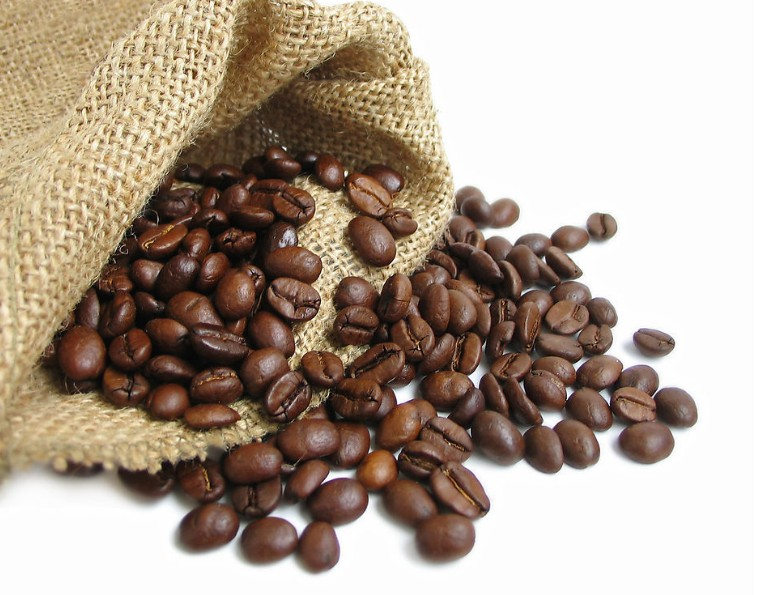
How to bake coffee beans without tobacco flavor
Recently, I heard a saying: coffee is roasted, but during the bean-growing period, there is a strong sense of smoke. What I want to say is that the sense of smoke can not be lost by raising beans. There are two situations in which the sense of smoke can be produced. First, the flavor of coffee itself is mainly smoky, and there is a lot of smoke in the flavor of this bean. Second, it is caused by defects in baking, that is, it is difficult to make exhaust and firepower.
2015-11-17 No smoke coffee beans how baking preface recently I heard in a word coffee
Identification of coffee beans graded defective beans in coffee producing areas of Kenya
◎ grades defective beans by the number of points, which is the earliest method of grading, and is still in use in many parts of Brazil. The method of identification is to randomly take 300 grams of samples and put them on black paper, because black paper can best avoid reflection. Then, examined carefully by the professional appraiser, find out the defective beans in the sample, and accumulate different scores according to the types of defects. For example, one black bean counts as one.
2016-06-04 Kenya coffee producing areas coffee beans grading blemishes discrimination points